World Nomad Games
Everything you need to attend the World Nomad Games in Kyrgyzstan — dates, sports from kok boru to eagle hunting, venues at Issyk-Kul, tickets, accommodation strategy, and how to build a trip around the world's largest celebration of nomadic athletic culture.
Frequency
Biennial (every 2 years)
Main venue
Cholpon-Ata, Issyk-Kul
Sports
37 disciplines
Countries
100+ participating
World Nomad Games 2026 — verify before you pay
Travellers comparing horse games Kyrgyzstan headlines with flight prices should treat September as the likely month while waiting for the official programme. Book refundable or flexible fares until the host publishes schedules; north-shore beds still sell out on rumour alone. Between games, explore Jeti Oguz, Sary Mogol, and Karakol activities so your Issyk-Kul week still delivers if one final is rescheduled.
The Olympics of the nomadic world
A biennial festival where horseback warriors, eagle hunters, and traditional wrestlers compete at the foot of the Tian Shan.
The World Nomad Games are Kyrgyzstan's gift to global sports culture — a biennial festival that brings together athletes from over one hundred countries to compete in thirty-seven traditional nomadic disciplines that would otherwise exist only in scattered local festivals. Founded in 2014 on the shores of Issyk-Kul, the games transformed Cholpon-Ata from a quiet beach town into an international stage for kok boru, er enish, and eagle hunting competitions that defy anything you have seen at conventional sporting events.
The centrepiece is kok boru — mounted polo played with a headless goat carcass weighing thirty-plus kilogrammes, hurled into stone goals by riders at full gallop. It is violent, beautiful, and completely absorbing. Around it orbit horseback wrestling matches where riders try to unseat opponents, traditional archery from saddle and ground, belt wrestling (alysh) that resembles judo without the gi, and intellectual games like toguz korgool played on carved boards with the intensity of chess finals. The cultural village alongside the sports venues showcases yurt construction, felt making, nomadic traditions, and food from Central Asian, Mongolian, Turkish, and Hungarian traditions.
For travellers, the games offer a unique window into Kyrgyz culture at its most alive. The event typically runs one week in September, when Issyk-Kul weather is warm, autumn light is golden, and the Tian Shan backdrop turns every smartphone photo into something worth printing. Plan accommodation early — the north shore fills months in advance — and consider building a longer trip around games week with trekking, Karakol exploration, and a Song-Kul yurt night. Check our festivals calendar for confirmed dates and our where to stay guide for booking strategy.
How to attend the World Nomad Games
Practical logistics for getting there, finding a bed, and catching the best events.
Getting there
Fly into Bishkek Manas airport and take a four-hour marshrutka, shared taxi, or shuttle to Cholpon-Ata. During games week, special shuttle services often run from Bishkek. Some travellers base in Bishkek and day-trip to events, but staying on the north shore is more immersive. See getting there and transport guide.
Accommodation strategy
Book three to six months in advance for Cholpon-Ata. Guesthouses ($15-40), sanatorium resorts ($30-80), and private apartment rentals fill first. Backup bases: Balykchy (1 hour west), Karakol (2 hours east), or Bishkek (4 hours). Camping and pop-up yurt villages sometimes appear near venues. See accommodation options.
Must-see events
Kok boru finals (the emotional peak), eagle hunting competition (berkutchi skill on full display), er enish horseback wrestling (dramatic falls), and the opening ceremony (cultural performances and parade of nations). For quieter fascination, watch toguz korgool intellectual game finals and traditional archery from horseback. Arrive early to popular events — free standing areas fill fast.
Combining with a longer trip
The ideal plan: arrive a week before the games for mountain time (Song-Kul yurt night, Karakol trekking, or south shore exploration), then spend games week at Issyk-Kul, and depart a day or two after. Total: two to three weeks. Our 2-week itinerary adapts well to this pattern.
World Nomad Games questions
Everything spectators ask before attending the games.
- What are the World Nomad Games?
- The World Nomad Games are a biennial international sports festival celebrating traditional nomadic and Central Asian athletic disciplines. Founded in Kyrgyzstan in 2014, the games feature thirty-seven sports including kok boru (horseback polo with a goat carcass), er enish (horseback wrestling), eagle hunting competitions, traditional archery, nomadic wrestling styles, and intellectual games like toguz korgool. Over one hundred countries have sent athletes. Kyrgyzstan considers the games a cornerstone of national cultural identity.
- When are the next World Nomad Games?
- The World Nomad Games are held every two years. Kyrgyzstan hosted the inaugural games in 2014, 2016, and 2018 at Issyk-Kul before Turkey hosted in 2022. Search traffic for World Nomad Games 2026 should always be verified against the official World Nomad Games website and Kyrgyzstan tourism channels the same season you book — September is the usual window when Issyk-Kul weather is warm and steppe grasses are golden, but exact opening and closing days move with host decisions. Use our festivals calendar for anchor months, then lock flights only after dates are published.
- Where are the World Nomad Games held?
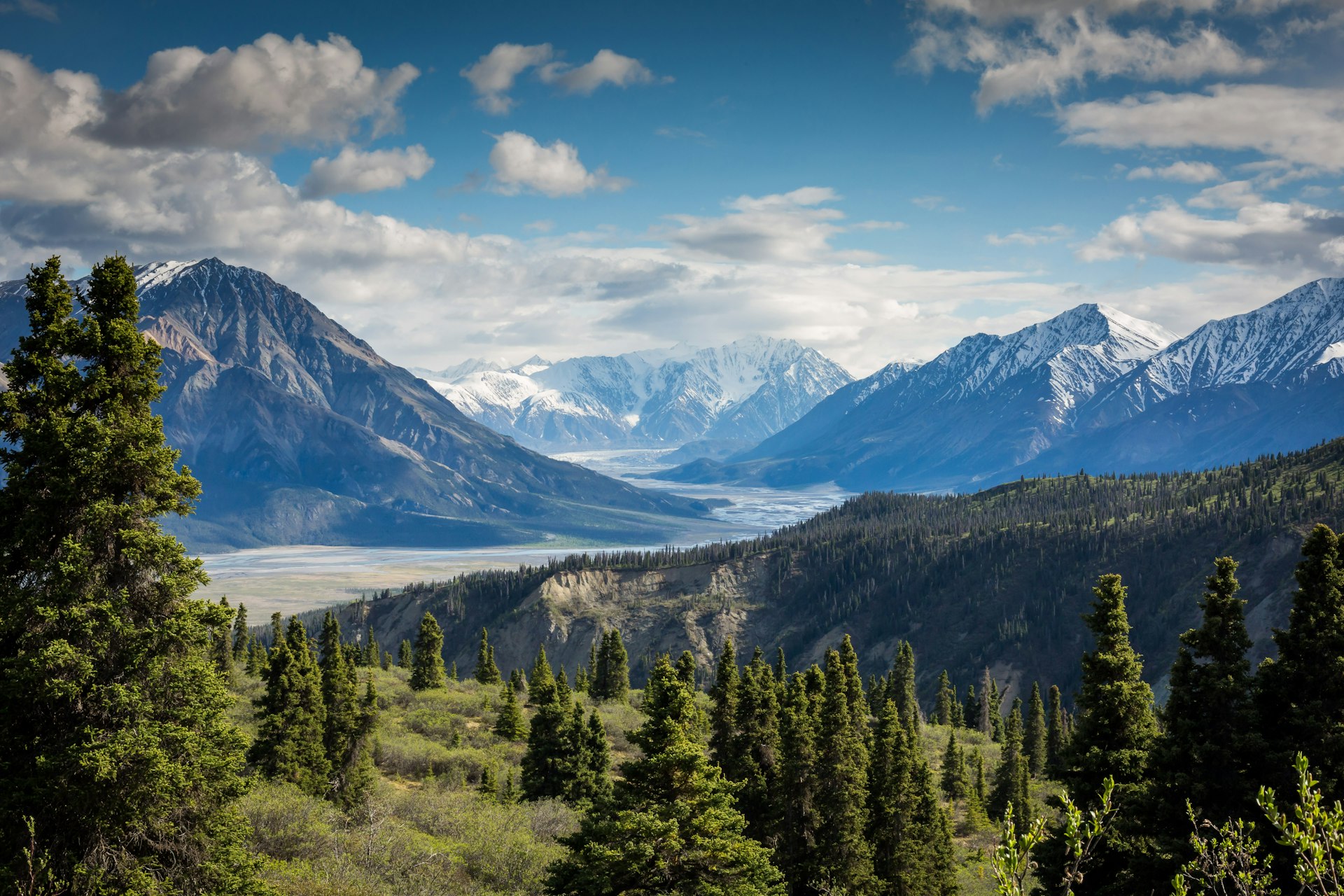
- The main venue is the Hippodrome and surrounding sports complexes near Cholpon-Ata on the north shore of Issyk-Kul lake. The opening and closing ceremonies typically take place at a dedicated arena. Equestrian events use the hippodrome and surrounding jailoo fields. Some events are distributed to nearby venues along the Issyk-Kul shore. The setting — competitions against a backdrop of snow-capped Tian Shan mountains and the turquoise lake — is unlike any other sports event on earth.
- What sports are in the World Nomad Games?
- Key disciplines include: kok boru (mounted polo using a goat carcass — the most dramatic sport), er enish (horseback wrestling), alysh (belt wrestling), kurash (standing grappling), eagle hunting competitions (berkutchi), traditional archery from horseback and on foot, mas wrestling (stick pulling), ordo (bone throwing game), toguz korgool (mancala-style board game), and traditional horse racing. Many sports are unique to Central Asian nomadic culture and cannot be seen at any other international event.
- How do I get tickets to the World Nomad Games?
- Many events are free to attend or have nominal entry fees. Major events like kok boru finals and the opening ceremony may require advance tickets through the official World Nomad Games website or local tourism offices. During previous editions, most spectators simply walked into venues for preliminary rounds. Plan to arrive early for popular events as seating fills quickly. VIP packages are sometimes available through tour operators.
- Where should I stay during the World Nomad Games?
- Cholpon-Ata and nearby north shore towns fill up fast during the games — book accommodation months in advance. Options include guesthouses ($15-40/night), sanatorium resorts ($30-80/night), and yurt camps. Karakol (2 hours east) and Bishkek (4 hours west) serve as overflow bases with more availability. Some travellers camp or stay in yurt settlements set up specifically for the event. Check our where-to-stay guide for booking platforms.
- Can I combine the World Nomad Games with a Kyrgyzstan trip?
- Absolutely — and you should. The games typically run for one week, leaving time before or after for trekking, yurt stays at Song-Kul, Karakol exploration, or the Osh-side south. A two-week trip that includes games week plus a week of mountain travel is the optimal combination. September timing means good weather, autumn colours, and operational yurt camps.
- Is the World Nomad Games worth attending?
- For anyone interested in nomadic culture, traditional sports, or unique travel experiences — unequivocally yes. There is nothing else like watching kok boru matches at full gallop against Tian Shan mountains, or seeing a trained golden eagle soar from a berkutchi arm during competition. The cultural village alongside the sports events showcases yurt building, felt making, music, and food from dozens of nomadic traditions. Photographers and cultural travellers consider it a once-in-a-lifetime experience.
- Should I worry about crowds on roads and buses during games week?
- Expect heavier traffic on the Bishkek–Issyk-Kul corridor, fuller marshrutkas, and higher hotel prices in Cholpon-Ata and Bosteri. Book beds early, leave slack for delays, and consider Karakol or Bishkek as overflow bases with longer daily transfers if shore towns sell out.
Connect the games with your Kyrgyzstan trip
Build a complete itinerary around the World Nomad Games.
Festivals
All major events and cultural celebrations in Kyrgyzstan.
Eagle hunting
Berkutchi tradition, demos, and competition history.
Horse riding
Horseback experiences from day rides to multi-day treks.
Nomadic culture
Living traditions: yurts, kumys, felt, and herding.
Cholpon-Ata
Main games venue town on Issyk-Kul north shore.
Where to stay
Accommodation options and booking platforms.
Getting there
Flights, visas, and first-night logistics.
2-week itinerary
Combine games week with mountain exploration.