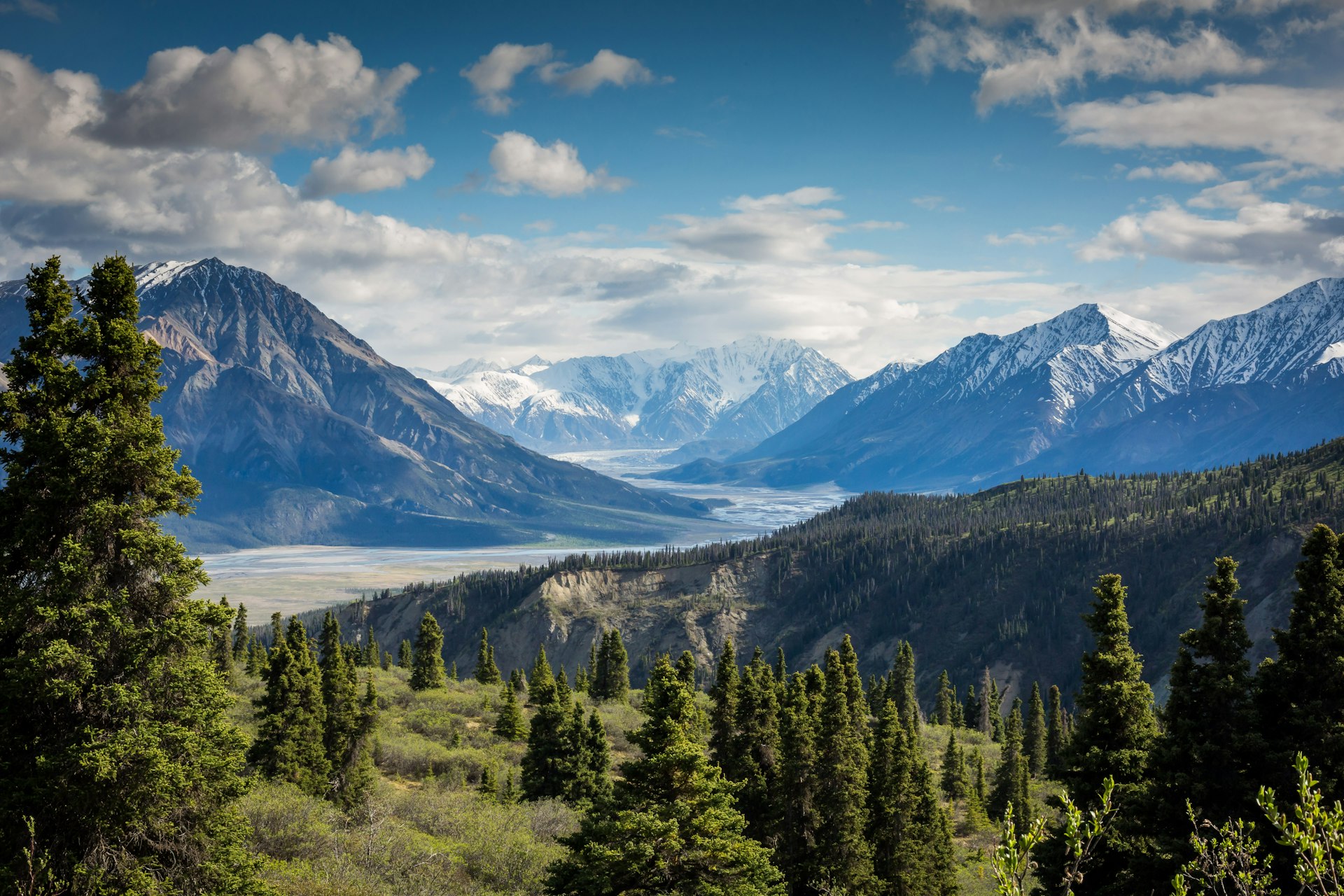
Winter in Kyrgyzstan
Kyrgyzstan winter travel and Kyrgyzstan skiing combine Tien Shan snow, Issyk-Kul culture, and some of the world’s lowest lift-ticket prices — from first snow in November through Nooruz in March.
Season
November – March
Temperature
-5 to -20°C
Budget
$20-60/day (low season)
Best for
Skiing & culture
Snow, Skiing, and High-Altitude Culture
Winter reshapes the country: Issyk-Kul’s shores ice over in places, Bishkek slows into an authentic rhythm, and the eastern Tien Shan becomes a playground for skiers who prioritize value and wilderness over groomed resort monoculture.
Planning Kyrgyzstan winter travel starts with honest geography. This is not the Alps — lift infrastructure is concentrated at Karakol, while much of the backcountry rewards skiers and splitboarders who respect avalanche risk and hire local expertise. The payoff is unforgettable: empty slopes, Central Asia’s most dramatic skyline, and day passes that rarely stress a backpacker budget. Pair that with Kyrgyzstan skiing headlines like Jyrgalan’s growing freeride community and you have a winter story worth crossing continents for.
Culture does not hibernate. Bishkek’s theaters, museums, and restaurants stay busy with residents rather than tour buses. On the Issyk-Kul south shore, eagle hunting demonstrations connect visitors to berkutchi heritage against frozen-lake backdrops. Hot springs from Issyk-Ata to Altyn-Arashan turn subzero mornings into steam-cloud memories. And as March approaches, Nooruz preparations remind everyone that winter is a corridor into spring — not a dead end.
Low-season pricing helps. Flights into Manas International Airport often cost less than summer peaks; guesthouses from Bishkek to Karakol offer heated rooms at shoulder rates. Budget realistically: $20-60 per day covers many traveler styles if you eat locally and use shared transport, with extra set aside for ski passes and guided mountain days. Always confirm heating, road status, and flight schedules — winter rewards flexibility.
Backcountry & ski touring near Karakol
Lift skiing is only part of the story—ski touring and splitboarding reward fitness and conservative decisions in avalanche terrain.
Karakol pairs affordable pistes with access to sidecountry and touring approaches; Jyrgalan focuses on human-powered lines without lifts. Snowpack and wind loading change daily—surface hoar, storm slabs, and warming spring days can all raise avalanche risk on slopes that skied quietly the week before.
Treat every untracked face as a question, not an invitation: carry a full rescue kit, practise companion rescue before you need it, and hire reputable local guides when you are new to Tian Shan snow. Conditions permitting, guided touring is often the difference between a memorable week and an avoidable incident. More context: skiing guide, safety, and things to do in Karakol.
November Through March
Each winter month offers a different balance of snow depth, daylight, festivals, and access — use this guide to align Kyrgyzstan skiing and cultural stops.
November
Transition: valleys near 0°C, mountains colderFirst reliable snow, quiet roads, shoulder-season prices
- The landscape shifts from late autumn greys to white above the treeline — first snow transforms photography and hiking at lower elevations.
- Ski infrastructure may still be gearing up; check Karakol opening dates before you book lift tickets.
- Bishkek stays workable for city culture: museums, bazaars, and restaurants without summer crowds.
- It is a transition month: pack for cold and mud, not yet full alpine winter sports everywhere.
Note: Treat November as a planning and acclimatization window if you want guaranteed ski operations — December is safer for lift-served skiing.
December
Full winter: Bishkek often below freezing; mountains -10°C and lowerSki season opens, festive lights, deep snow at altitude
- Karakol Ski Base typically opens by mid-December with enough cover for piste skiing — Central Asia’s most developed lift-served area.
- Jyrgalan fills with cross-country skiers and a growing freeride scene; guesthouses stay cozy with wood heat.
- New Year brings fireworks and gatherings in Bishkek; combine city nights with mountain days.
- Eagle hunting demonstrations ramp up on the Issyk-Kul south shore as winter hunting traditions align with tourism schedules.
Note: Expect shorter daylight and verify road conditions before driving mountain passes — many high routes are effectively closed until spring.
January
Often the coldest month: -5 to -20°C typical rangeBest powder potential, clearest high-country cold, peak berkutchi season
- January usually delivers the deepest, driest snow for Kyrgyzstan skiing — prioritize Karakol for groomers and Jyrgalan for touring if you have avalanche skills or a guide.
- Traditional eagle hunting (berkutchi) is a headline winter experience; demonstrations near Bokonbaevo on the frozen south shore pair culture with stark Issyk-Kul scenery.
- Hot springs feel surreal when air temperatures plunge: Issyk-Ata near Bishkek and Altyn-Arashan above Karakol are classic winter combinations.
- Museums and theater in Bishkek are warm refuges; Manas epic performances and gallery openings keep cultural travelers busy between mountain days.
Note: Book heating-aware accommodation — rural guesthouses rely on stoves; confirm wood or coal supply if you stay multiple nights off-grid.
February
Still very cold; slightly longer days than JanuaryDeep winter with improving light; astrophotography peak
- Cold, dry air delivers some of the clearest night skies of the year — ideal for astrophotography from lakeside or mountain viewpoints along open winter routes near Issyk-Kul and Karakol.
- Skiing continues at Karakol with 20+ marked runs; day passes commonly land in the $15-20 range, making Kyrgyzstan skiing among the world’s best value.
- Freeride and backcountry communities in Jyrgalan run guided days when avalanche conditions allow — always hire local expertise.
- Bishkek’s craft and food scenes stay lively; it is a strong month for slow travel without peak-season pricing.
Note: Domestic flights and mountain roads remain weather-sensitive — build buffer days into itineraries.
March
Warming trend begins; still winter in the mountainsLast ski weeks, Nooruz prep, spring transition at lower elevations
- Ski season winds down by late March at many areas, but high zones can still offer excellent corn snow mornings for experienced riders.
- Nooruz preparation appears in markets and kitchens — sumalak ingredients, costumes, and community buzz build toward March 21.
- South shore villages like Bokonbaevo remain hubs for eagle demonstrations before the cultural calendar shifts to spring festivals.
- Lower valleys start thawing while peaks stay white — a dual-season feel unique to high-altitude Central Asia.
Note: Song-Kul and Tash-Rabat remain inaccessible for typical tourism — plan around Issyk-Kul, Karakol, and Bishkek corridors.
Winter Destinations
Six anchor points for Kyrgyzstan winter travel — from lift tickets at Karakol to steam rising off alpine hot springs.
Karakol Ski Base
Lift-served skiingCentral Asia’s best-developed ski resort sits on the Tien Shan flanks east of Karakol. Expect 20+ runs, affordable day passes around $15-20, rental on site, and a genuine local scene rather than a mass-market alpine village.
Read moreJyrgalan Valley
XC & freerideThis former mining village reinvented itself as an adventure hub. Winter means cross-country skiing on rolling terrain, cat-skiing and backcountry days with guides, and an emerging freeride culture — all with small guesthouses and hearty meals.
Read moreBishkek
Culture & flightsWinter strips away crowds: State History Museum, opera and theater, Osh Bazaar, and a growing restaurant scene stay fully operational. Cheap international flights often land here — use the capital as a warm base between mountain excursions.
Read moreIssyk-Ata Hot Springs
~1.5 hr from BishkekNatural hot pools in a mountain gorge make an easy winter day trip from the capital. Entry typically runs $2-5 — pack a towel, waterproof sandals, and expect steam rising into freezing air.
Read moreAltyn-Arashan Hot Springs
Trek + soakReachable on snow-capable transport or winter trekking from Karakol with a guide, these alpine pools surrounded by forest and peaks are unforgettable under snow. Plan extra time and warm layers for the approach.
Read moreBokonbaevo
Eagle huntingOn Issyk-Kul’s south shore, winter puts berkutchi demonstrations on the frozen lake backdrop. Pair homestays with sunrise shoots and shoreline walks when wind permits.
Read moreWinter Activities
Stack Kyrgyzstan skiing with steamy pools, night skies, and living heritage — winter itineraries shine when you diversify beyond the lifts.
Skiing & snowboarding
December–March (Karakol focus)Karakol Ski Base anchors Kyrgyzstan winter travel for downhill: multiple lifts, varied gradients, and low pass prices by global standards. Lessons and rentals are available; early season checks website openings. Jyrgalan suits ski tourers and nordic skiers seeking quiet valleys.
Eagle hunting demonstrations
Winter season (south Issyk-Kul)Golden eagles flown by traditional hunters make for iconic photography. Organized sessions often run $20-40 depending on group size and inclusions — respect cultural etiquette, dress warmly, and book through reputable CBT or guesthouse networks.
Hot springs
Year-round; magical in snowIssyk-Ata offers accessible soaking from Bishkek; Altyn-Arashan rewards those who commit to the mountain approach. Both contrast boiling mineral water with icy air — bring dry clothes in a waterproof bag.
Cultural tours
November–March in citiesBishkek’s museums, gallery openings, and Manas-related performances shine when mountain roads are difficult. Smaller towns host winter markets and tea-house culture without summer tourist volume.
Astrophotography
January–February nightsStable cold air reduces atmospheric turbulence; new moon weeks above 2,000 m can yield exceptional Milky Way frames. Carry hand warmers for batteries and a tripod rated for wind.
Nooruz preparation
Late February–MarchBefore the March 21 New Year, communities rehearse music, sports, and food traditions. Bishkek’s squares and village gatherings offer a bridge from winter sports to spring festival energy.
Practical Winter Travel
Cold, shorter days, and mountain closures define the season — plan around them and winter opens up.
Extreme cold gear
Insulated boots rated well below 0°C, merino base layers, down or synthetic parkas, balaclavas, and ski goggles or glacier glasses for windblown days. Electronics fail faster in cold — keep power banks inside your jacket.
Shorter days
Expect roughly 8–9 hours of usable daylight mid-winter. Schedule outdoor activities for brightness peaks; avoid unfamiliar mountain roads after dark.
High pastures closed
Song-Kul yurt camps, Tash-Rabat caravanserai routes, and many 3,000 m+ passes are not viable for typical winter trips. Focus itineraries on Issyk-Kul, Karakol, and Bishkek-linked corridors.
Flights & weather
Fog, snow, and wind occasionally disrupt domestic flights and mountain highways. Keep one or two contingency days and confirm marshrutka or private driver plans the evening before.
Heating in guesthouses
Rural stays often heat with wood or coal stoves — cozy but uneven. Ask hosts about nighttime fuel; sleep in layers and verify ventilation for safety.
Winter driving in Kyrgyzstan
Tyres, chains, passes, and why most visitors prefer city bases or hired drivers when snow hits.
Winter road Kyrgyzstan reality: ice on Boom Gorge, drifting snow on Naryn approaches, and black ice in Bishkek suburbs before coffee. All-season tyres are not winter tyres—if you self-drive, confirm winter-rated rubber or carry chains for mountain legs, and never plan pass crossings on a tight flight connection the same day.
Daylight is short; roadside assistance outside major cities is thin. Check passes with locals the same morning, not only map apps. For full rental psychology, insurance, and fuel spacing, read our road trip guide and transport overview if you prefer to leave winter driving to shared taxis or Yandex Go in cities.
Winter Travel FAQ
Quick answers for Kyrgyzstan winter travel and Kyrgyzstan skiing trips.
Is Kyrgyzstan good for winter travel and skiing?
Yes. Kyrgyzstan winter travel centers on affordable lift skiing at Karakol, backcountry and cross-country options near Jyrgalan, rich culture in Bishkek, and unique experiences like eagle hunting and hot springs. It is not a European-style après-ski destination — expect adventure value and authenticity rather than luxury infrastructure.
When is the ski season in Kyrgyzstan?
Lift-served skiing at Karakol generally runs from mid-December through March, with the most reliable snow from January to early March. Always check current conditions before travel; November can be too early for full operations.
How much does a winter trip to Kyrgyzstan cost?
Low season outside New Year peaks often lands around $20-60 per day for budget travelers using guesthouses, marshrutkas, and local meals. Ski passes add roughly $15-20 per day at Karakol. Mid-range private transport and guided tours increase totals but remain below Western alpine resort pricing.
Can I visit Song-Kul or Tash-Rabat in winter?
Not for typical tourism. High jailoo roads and yurt camps are effectively closed; passes are snowbound. Plan those destinations for late spring through early autumn instead.
What should I pack for Kyrgyzstan in winter?
Bring serious cold-weather layers, waterproof boots, hat and gloves, lip balm, and spare batteries warmed against your body. See our full packing list for a downloadable checklist tailored to trekking and city combinations.
Is winter travel in Kyrgyzstan safe?
Urban travel and established ski areas are generally straightforward with normal precautions. Mountain driving, avalanche terrain, and remote trekking require preparation — read our safety guide, hire local guides for backcountry, and monitor weather for domestic flights.
Do I need snow chains or winter tyres for a rental car?
Ask your rental agency explicitly for winter tyres or chains if you plan mountain passes between November and March—many city fleets default to all-season rubber. Chains are not always in the trunk; confirm availability, cost, and how to fit them before you leave Bishkek or Osh. Pass closures override optimism; our road-trip guide pairs with this page for realistic self-drive timing.
What besides chains should self-drivers know for winter?
Cold starts drain batteries—carry jump leads or pick a car with a strong battery; diesel gelling is rare in typical tourist corridors but confirm winter diesel at stations on long legs. Idling gently after freezing nights protects the engine; keep windshield fluid rated for frost. Yurt camps on high jailoo roads remain effectively closed—plan Issyk-Kul, Karakol, or city-based nights instead.
Next Steps for Your Trip
Build a safe, well-packed itinerary — then compare winter with other seasons.
Plan Your Trip
Budgets, transport, routes, and day-by-day planning for Kyrgyzstan.
Destinations
Explore towns, valleys, and regions across the country.
Safety
Mountain risk, health, and travel awareness for winter conditions.
Packing List
Layering, gear, and cold-weather essentials in one checklist.
When to Visit
Full year calendar — compare every month’s weather and access.
Spring in Kyrgyzstan
What opens after winter: Nooruz, trails, and shoulder-season travel.