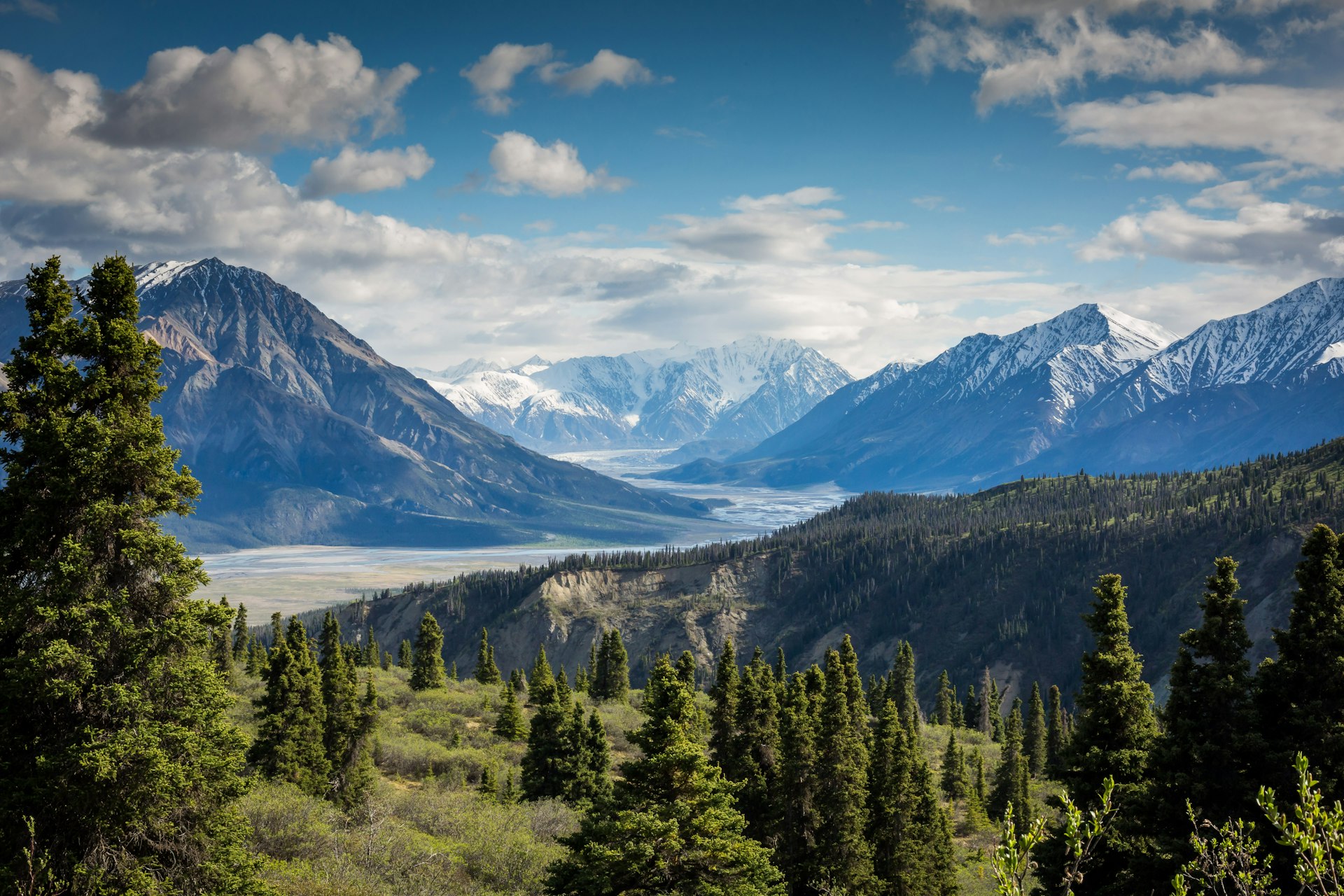
Mountain ridges and high pastures — where travelers stay across Kyrgyzstan
Kyrgyzstan accommodation hub

Where to Stay in Kyrgyzstan

Practical answers for anyone searching where to stay in Kyrgyzstan or comparing Kyrgyzstan accommodation options — from five-dollar hostel beds to lakeside resorts, plus how to book yurts and homestays without guesswork.

Types

6 — hotels, guesthouses, hostels, yurts, homestays, glamping

Range

$5–200 / night

Booking

Booking.com, CBT, walk-in

Best value

Homestays $10–15/night

Start here

Choosing Kyrgyzstan Accommodation That Matches Your Trip

Whether you type where to stay Kyrgyzstan into a search engine or compare Kyrgyzstan accommodation threads in travel forums, the same decision tree applies: cities versus mountains, comfort versus culture, and how much cash versus platform booking you prefer.

Kyrgyzstan is not a country of uniform hotel chains from border to border. It is a layered market: Soviet-era sanatorium towns reborn as beach resorts, Soviet apartment blocks converted into guesthouses, yurt camps on jailoo pastures three thousand metres above sea level, and a deepening homestay economy coordinated through Community Based Tourism offices. That variety is an advantage — you can sleep in a Hyatt on Friday and a felt yurt on Sunday — but it also means generic booking filters rarely tell the whole story.

This hub walks six accommodation types with representative prices and real property names where helpful, then maps four key regions travelers actually use. It closes with booking platforms, seasonal tips, and FAQs tied to structured data so search engines surface concise answers. When you are ready to stitch nights into a route, continue to plan your trip and destinations; when budget drives every choice, cross-check budget travel.

Solo travelers often anchor in hostels for community, families gravitate toward Issyk-Kul resorts with pools, and luxury visitors combine Bishkek five-star nights with private drivers toward boutique lodges — themes we expand in solo travel, family travel, and luxury travel. Pastoral stays deserve their own deep guides: yurt stays and homestays.

Six ways to sleep well

Accommodation Types — From City Hotels to Alpine Yurts

Each category trades price against privacy, plumbing, and cultural immersion. Mixing categories across a two-week loop is how most experienced travelers balance recovery nights with peak experiences.

Hotels

International chains in the capital, mid-range business hotels, and lakeside resorts with pools and spas.

Bishkek sets the ceiling for comfort and price in Kyrgyzstan. The Hyatt Regency Bishkek typically runs roughly one hundred twenty to two hundred US dollars per night for a standard room, with full-service dining, fitness facilities, and the most polished English-speaking front desk experience in the country. Travelers who want four-star amenities without five-star rates often choose Orion Hotel Bishkek at about forty to sixty dollars or Golden Tulip Bishkek in the fifty to eighty dollar band — both offer reliable Wi-Fi, air conditioning, and central locations for embassy districts and Ala-Too evening strolls.

Outside the capital, Karakol supports a growing hotel scene oriented to trekkers and skiers. Green Yard Hotel is a well-regarded mid-range option, commonly quoted around thirty to fifty dollars per night depending on season, with warm staff and easy access to Jyrgalan and Ala-Köl trailheads. On the north shore of Issyk-Kul, Cholpon-Ata’s resort strip mixes Soviet-era sanatorium culture with newer properties: Raduga often lists roughly eighty to one hundred fifty dollars in high season for full-board or half-board beach packages, while Karven Four Seasons Resort Issyk-Kul sits in a sixty to one hundred twenty dollar range for travelers who want lake views, pools, and family-friendly infrastructure.

Hotels are the right choice when you need predictable check-in, en-suite bathrooms, and minimal language friction after a long flight. They are less characterful than guesthouses or homestays but anchor the start and end of most itineraries.

Guesthouses

Family-run houses and small pensions from village centers to city neighborhoods — the backbone of mid-budget travel.

Guesthouses appear in almost every town tourists pass through, from Sary-Chelek gateway villages to Osh’s old quarter. Nightly rates usually fall between fifteen and thirty US dollars for a private room, often with shared bathroom in older buildings and private bath in newer conversions. What you gain is conversation: owners routinely help with marshrutka times, introduce reliable taxi drivers, and sometimes cook dinner on request.

Meals are frequently included or offered as inexpensive set menus — breakfast might be bread, jam, eggs, and tea; dinner could be lagman or manty for a few dollars extra. Guesthouses pair naturally with independent trekking and CBT day activities because they sit inside communities rather than on isolated resort plots. Read recent reviews for hot water reliability and heating in shoulder months, as infrastructure varies by building age.

Hostels

Dorm beds and social common rooms — the cheapest roofs in Bishkek, Karakol, and Osh.

Apple Hostel Bishkek has long been a hub for overlanders and trekkers, with dorm beds often around five to eight dollars and private rooms slightly higher; the atmosphere is convivial and English-friendly. Interhouse Bishkek competes in the six to ten dollar dorm range with a more design-forward interior and strong Wi-Fi for remote workers between mountain legs.

In Karakol, Hostel Duet typically lists dorms around six to eight dollars, placing you walking distance from the bazaar, CBT Karakol, and marshrutkas toward Jeti-Ögüz. Osh Guest House (sometimes listed as Osh Guesthouse) offers beds near seven dollars in a city that many travelers use before or after the Alay Valley. Hostels are ideal for solo travelers who want instant social connections, kitchen access, and trip intel — less ideal if you need absolute quiet or luxury bedding.

Yurt camps

Felt dwellings on jailoo pastures — the iconic Kyrgyzstan accommodation experience.

Song-Kul yurt camps dominate the imagination: expect roughly fifteen to twenty-five dollars per night including dinner, a bed on felt rugs, and breakfast, with horse riding and lake walks steps from your door. Facilities are simple — outhouses, limited electricity, dramatic cold at night above three thousand metres — but the setting is unmatched. Other regions from Suusamyr to Issyk-Kul’s south shore offer variations on the same model at similar price bands.

For camp-by-camp detail, seasonal windows, etiquette, and booking channels, use our dedicated yurt stays guide, which maps eight major locations with real prices and CBT versus walk-up strategies.

Homestays

Community Based Tourism network stays — meals, culture, and direct income to households.

The CBT network registers more than fifty homestay hosts across Kyrgyzstan, from walnut villages near Arslanbob to shepherd families near Naryn. Nightly rates commonly land at ten to fifteen US dollars with two hearty meals, making homestays the best overall value for travelers who want authentic interaction and generous portions of beshbarmak or plov.

Booking happens through CBT offices in Bishkek, Karakol, Kochkor, Naryn, and other hubs — not always instant online, but staff answer email and WhatsApp. Expect shared bathroom facilities in village homes, occasional language barriers overcome with gestures and translation apps, and invitations to help with chores if you show interest.

Our homestays overview connects deeper planning with regional CBT contacts.

Glamping & eco-lodges

A smaller but fast-growing layer of design-forward tents and low-impact lodges.

Glamping is still emerging compared with yurt camps, yet pockets around Issyk-Kul and Jyrgalan already offer insulated safari tents, geodesic domes, or timber lodges with proper beds and sometimes en-suite bathrooms. Jyrgalan eco-lodge style properties cater to trekkers who want mountain quiet without sleeping on the ground. Issyk-Kul glamping operations along the north or south shore often price between forty and eighty dollars per night, reflecting imported gear, solar power, and curated experiences like yoga decks or private beach access.

These stays trade raw pastoral immersion for comfort and Instagram-ready aesthetics — a useful bridge for mixed groups where some members hesitate at smoke-filled yurt stoves or pit toilets. Book early in July and August because inventory is tiny relative to hotels.

Place your pin on the map

Where to Stay by Region

Bishkek for logistics, Karakol for treks, Issyk-Kul for lake days, Song-Kul for jailoo immersion — four anchors that cover most first itineraries.

Where to stay in Bishkek

Start or finish almost every Kyrgyzstan trip here. Ala-Too Square, Oak Park, and Panfilov Park sit within walking distance of numerous mid-range hotels; hostels cluster south and west of the center near cafes and coworking spaces. Business travelers favor Chuy Avenue corridors; budget travelers prioritize hostels near Erkindik or Kievskaya for marshrutka access to Osh Bazaar. For longer stays, Airbnb-style apartments offer kitchens and laundry — useful before heading to the mountains. Allow one full city day to recover from jet lag, swap cash, and buy SIM cards before remote legs.

Where to stay in Karakol

Eastern Issyk-Kul’s trekking capital mixes hostels, guesthouses, and small hotels within a compact grid. Staying near Toktogul Street or the bazaar minimizes walks to CBT Karakol, marshrutkas toward Jeti-Ögüz, and the Russian Orthodox wooden church. Winter visitors add ski shuttles toward Karakol Ski Base; properties like Green Yard suit both seasons. Karakol is also the gateway to Jyrgalan — consider splitting nights between town (logistics, laundry, restaurants) and village eco-lodges (trailhead proximity).

Where to stay in Issyk-Kul

The lake is six hundred kilometres of shoreline attitudes: Cholpon-Ata’s north-shore resorts for beach holidays and festivals; Tamga, Barskoon, and Kaji-Sai on the south for quieter swimming and canyon day trips; and smaller towns like Bokonbayevo for eagle demonstrations and yurt camps within day-hike range. Resort hotels dominate the north; guesthouses and CBT homestays shine on the south. Nightlife and restaurant choice favor the north shore; starry skies and pastoral calm favor the south. Match your base to transport — marshrutkas hug the main road, while some glamping sites need taxi transfers.

Where to stay in Song-Kul area

There are no conventional hotels on the lake itself — only yurt camps and occasional shepherd homestays arranged through CBT Kochkor or CBT Naryn. Most travelers overnight on the jailoo after a bone-rattling drive or horse approach; some split the journey with a guesthouse night in Kochkor or Kyzyl-Oi to break altitude gain. Weather turns fast above three thousand metres, so book camps with clear cancellation policies during shoulder weeks. Combine Song-Kul with Son-Kul spelling variants when searching international sites; local operators use both transliterations.

Channels that actually work

Booking Platforms — When to Use Each

No single app lists everything. Combine international aggregators with CBT for the full spectrum of Kyrgyzstan accommodation.

Booking.com

Strongest inventory for hotels and many guesthouses in Bishkek, Karakol, and Issyk-Kul resorts. Filters help identify free cancellation and review scores — essential because Kyrgyzstan does not use a formal star-rating system for most independent properties. Compare photos against recent traveler uploads.

Hostelworld

The default for dorm beds and social hostels in Bishkek and Karakol. Read comments about locker size, kitchen cleanliness, and noise — party hostels are rare but summer crowds are not.

CBT offices

Best channel for homestays, many yurt camps, and community tours with transparent pricing. Walk into offices in major towns or email ahead. Payment is often cash on arrival; receipts are standard when requested.

Airbnb

Growing selection of apartments and some guesthouse rooms in Bishkek, plus occasional unique stays elsewhere. Useful for multi-night capital stops with washing machines; less comprehensive outside urban cores.

Avoid friction on the road

Practical Tips for Booking and Paying

Peak season, cash economies, and honest review reading matter more here than loyalty points.

  • Book at least two weeks ahead for July and August along Issyk-Kul and at Song-Kul — demand spikes with domestic tourists and regional visitors.
  • Carry som in cash for rural guesthouses, yurt camps, and many homestays; card terminals exist in larger hotels but fail unpredictably in villages.
  • Ignore unofficial star ratings; rely on recent reviews, photo dates, and specific mentions of hot water, heating, and Wi-Fi.
  • Ask whether breakfast or dinner is included — Kyrgyz hospitality often bundles meals at guesthouses and homestays, which changes true nightly cost.
  • If you need dietary clarity (vegetarian, allergies), confirm in writing before paying deposits; mountain kitchens are meat-forward.
  • Split long mountain itineraries with a hotel or quality guesthouse recovery night — sleep quality affects altitude tolerance and trekking safety.
Short answers

Where to Stay in Kyrgyzstan — FAQ

Eight common questions covering costs, safety, walk-ins, luxury options, and how to pair yurts with guesthouses.

Where should I stay in Kyrgyzstan for my first trip?+
Most first-timers spend two or three nights in Bishkek at a hotel or hostel, then move to Karakol or a north Issyk-Kul base for lake and mountain access, adding one or two yurt or homestay nights for culture. That mix balances comfort, logistics, and experience without exhausting drive days.
How much does accommodation cost in Kyrgyzstan?+
Budget dorm beds start around five dollars; private guesthouse and homestay rooms typically run fifteen to thirty dollars with meals sometimes included; mid-range hotels range forty to eighty dollars in cities; international five-star properties and upscale resorts can reach one hundred twenty to two hundred dollars. Alpine yurt camps commonly charge fifteen to twenty-five dollars including dinner and breakfast.
Is it safe to book homestays and yurts through CBT?+
Yes. Community Based Tourism offices coordinate vetted hosts, standardize typical inclusions, and mediate if problems arise. Always keep confirmation emails or WhatsApp threads, note agreed prices, and pay in som when possible to avoid exchange confusion.
Can I walk in and find a room without booking?+
Possible in shoulder seasons and smaller towns, risky in July and August along Issyk-Kul and at Song-Kul. Bishkek and Karakol hostels sometimes have last-minute beds, but popular guesthouses fill weeks ahead. Carry a backup list of properties.
Do hotels in Kyrgyzstan include breakfast?+
Many mid-range and upscale hotels include buffet breakfast; budget guesthouses may charge a small add-on. Always verify at check-in. Homestays and yurt camps almost always bundle at least breakfast and often dinner.
What is the best area to stay in Bishkek?+
The central band between Ala-Too Square and Erkindik Boulevard suits most visitors — walkable parks, museums, and dining. Hostel seekers often prefer slightly south or west pockets still inside ten minutes of marshrutka lines toward Osh Bazaar and Western bus stations.
Are there luxury hotels outside Bishkek?+
True international luxury is concentrated in Bishkek, but Issyk-Kul resorts such as Raduga and Karven offer upscale lake holidays with pools and spas. Jyrgalan and some south-shore glamping properties deliver premium nature settings with boutique service — inventory is limited, so book early.
How do I choose between a yurt camp and a guesthouse?+
Choose yurt camps for alpine atmosphere, pastoral interaction, and bucket-list scenery — accept basic toilets and cold nights. Choose guesthouses for private rooms, showers, and easier recovery between trekking days. Many itineraries alternate both.