Osh city with Sulaiman-Too sacred mountain
City guide

Things to Do in Osh

Southern capital energy, Jayma Bazaar scale, Sulaiman-Too pilgrimage paths, and Fergana-flavoured plates—plus day trips toward walnut forests and Karakhanid minarets. Use this guide for USD costs, border-aware logistics, and one- to four-day pacing without missing river walks, museum context, or the noon-to-two plov window when cauldrons still steam.

Population

320,000

Altitude

965m

Best months

March–November

Avg. daily cost

$12–40

Southern capital

Osh: Silk Road hub above the Fergana basin

Bazaar commerce, sacred limestone, and crossroads culture that justify more than a fuel stop on the way south.

Osh is Kyrgyzstan's southern anchor—a city of roughly 320,000 at 965m where Kyrgyz, Uzbek, Tajik, and Russian-speaking communities share Jayma aisles, tea houses, and hillside staircases up Sulaiman-Too. Traders have stacked goods here for centuries; today's version pairs Soviet apartment grids with entrepreneurial market sprawl and domestic flight links to Bishkek. You come for UNESCO-listed sacred geography above the bazaar, for plov that tastes unmistakably Fergana, and for logistics that matter if Central Asia itineraries hop toward Uzbekistan. Unlike Bishkek's wide boulevards, Osh compresses Silk Road commerce into walkable knots where spice sacks, knife blades, and kurpacha vendors compete for the same narrow light.

The Fergana valley's density presses against the city's edges, so understanding viewpoints, border posts, and cultural etiquette pays off before you chase minarets in Uzgen or walnut forests toward Arslanbob. Summer heat can feel sharper in market canyons; spring blossom and autumn fruit seasons soften walking days while keeping most mountain passes on the Arslanbob leg open for hikers. For neighbourhood maps, Sulaiman-Too practicalities, and where to sleep near the action, start with our Osh destination guide. When you are stitching multi-country legs, layer Fergana Valley context with border-crossing logistics—then return here to lock activities, dollars, and day-by-day rhythm.
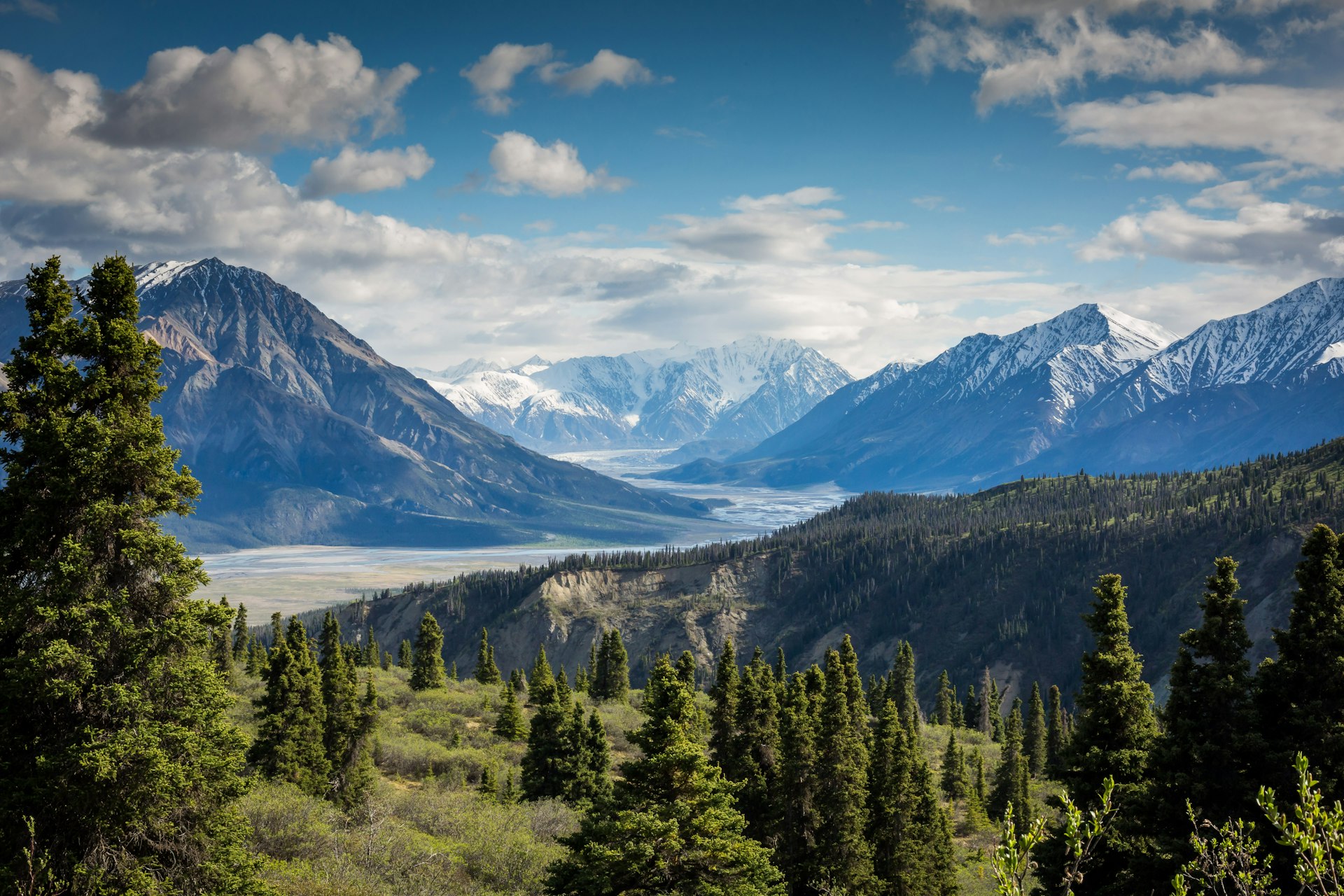
Bazaar to border views

Top things to do in Osh

Eleven picks spanning UNESCO hills, markets, faith architecture, Fergana day trips, food halls, and viewpoint-safe border context—with realistic time and USD spend.

Heritage2–4 hoursFree–$3 museum

Sulaiman-Too UNESCO sacred mountain

The limestone ridge rising above the bazaar is a UNESCO World Heritage Site—pilgrim paths, cave shrines, and a small museum complex that frames Osh as a Silk Road spiritual crossroads. Most visitors walk the main staircases in two to three hours including photo stops; sunrise and late afternoon soften the heat at 965m base elevation. Wear modest layers near active prayer corners and carry water—there is little shade on the upper spine. Read signage respectfully: some caves remain active devotional spaces rather than selfie backdrops, and weekends draw local families alongside foreign backpacks.

Market2–4 hoursFree

Jayma Bazaar

One of Central Asia's great bazaars spreads in a maze of dried fruit, spice heaps, kurpacha textiles, and knife stalls where Uzbek and Kyrgyz traders overlap. Weekday mornings feel productive; Sundays layer in family shopping energy without losing the core produce halls. Budget a few US dollars for snacks and tea; serious carpet or craft buys negotiate in som or dollars depending on the stall.

City walk1–2 hoursFree

Osh River promenade

The Ak-Buura (Osh River) corridor threads parks, benches, and evening strollers linking downtown to greener stretches—ideal jet-lag therapy after a long marshrutka or flight. Pair it with ice cream vendors and people-watching before you climb Sulaiman-Too or dive back into Jayma. Summer evenings stay lively; winter walks need a wind layer off the Fergana basin. Photographers catch softer reflections after rain when the river carries silt-brown drama against pale apartment blocks—nothing alpine, but honestly urban Kyrgyzstan.

Museum45–90 min$1–3

Alymbek Datka museum & history rooms

Regional exhibits on southern Kyrgyzstan's nineteenth-century resistance and urban growth give context before you wander Soviet mosaics and post-independence Osh. English signage is patchy—hire a guide through your guesthouse if you want narrative depth. The modest entry fee keeps the visit accessible on a $12–40 daily backpacker burn rate.

Culture30 minFree

Russian Orthodox church (St. Michael)

A compact onion-domed church anchors a quiet corner of Osh's multi-faith street map—useful contrast after mosque-adjacent bazaar blocks. Dress respectfully, avoid services unless you plan to participate quietly, and photograph exteriors first. Stack it with the river walk or museum morning before lunch plov calls.

Day trip6–8 hours$8–20 transport

Uzgen day trip (minaret & mausoleums)

Roughly an hour south by shared taxi or marshrutka, Uzgen's Karakhanid minaret and brick mausoleums read like an open-air textbook on Fergana valley Islamicate architecture. Combine minaret photos, a simple lunch stop, and market browsing; round-trip transport often lands around eight to twenty US dollars depending on private versus shared logic. Our Fergana overview helps you stitch border awareness with this southern corridor.

Day trip / natureFull day$15–35 transport

Arslanbob day trip (walnut forest)

World-class walnut-forest walks and village hospitality sit a few hours north—doable as a long day from Osh if you start early, though overnights reward slower waterfalls and homestay dinners. Shared taxis and occasional tour vans set per-seat rates; private cars buy schedule control for photographers. Pack lunch cash and layer for altitude shifts above town.

Food1 hour$3–8

Osh bazaar plov centers

Fat-rich Fergana-style plov appears in cauldron halls near Jayma and in satellite oshxonas where lunch service peaks around noon to 2 p.m. Order by portion size, add achichuk salad when available, and chase with green tea—the classic southern pairing. Our national food guide decodes manty, lagman, and samsa for the rest of your week.

Logistics / viewpoint1–2 hours reading + optional driveFree–$10 taxi

Kyrgyz–Uzbek border context (viewpoints, not crossing)

Understanding which posts accept which passports matters if you are eyeing Andijan or Namangan side trips—rules shift, and unofficial "just look" border tourism is not a substitute for stamped exits. Use hill viewpoints inside Kyrgyzstan for panoramas instead of wandering restricted lines. Our border-crossings guide maps formal procedures, typical fees, and realistic same-day expectations.

Culture1–2 hours$2–5

Ruh Ordo cultural centre

On Issyk-Kul's north shore rather than central Osh, Ruh Ordo still fits many southern itineraries when you connect Osh–Bishkek loops by road or domestic flight—an open-air gallery of yurts, faith symbols, and lake light that frames Kyrgyz storytelling. If you are Osh-only this trip, skip it; if you are stitching a national loop, bookmark it between cities. Entry stays modest; weekends draw local families.

Park1 hourFree

Osh City Park

Shade trees, Soviet-era amusement rides, and evening concert energy give families and backpackers alike a breather from bazaar intensity. Mornings suit joggers; dusk brings street food periphery stalls. It is not a wilderness escape—think urban lung room before you commit to longer Fergana or mountain legs.

Sample pacing

Day-by-day suggestions

Stack city culture, add one valley or forest hit, or stretch toward four days without burning midnight taxis—here is how the pieces fit.

One day: Morning Jayma for produce light and knife-craft browsing, late-morning Sulaiman-Too ascent before heat peaks, then plov between noon and 2 p.m. ($3–8). Finish with the Osh River promenade and City Park dusk stroll—free legs after a busy bazaar. Keep small som for snacks; ATMs cluster downtown but queues happen Sundays.

Two days: Day two adds Alymbek Datka museum ($1–3), the Russian Orthodox church, and a slower Jayma return for textiles you skipped on hour one. Optional taxi viewpoints toward border horizons stay inside Kyrgyzstan—read border guidance before promising friends a panorama trip. Evening shashlik or lagman rarely breaks a $12–40 daily budget if lunch stayed casual.

Three days: Insert a full Uzgen run—shared transport often $8–20 round trip—for minaret photos and Fergana lunch, using our Fergana overview for cultural bookmarks. Alternatively, aim north toward Arslanbob if walnut forest trails matter more than brick Karakhanid architecture—either option demands early starts.

Four days: Combine Uzgen and Arslanbob on separate days with recovery evenings in Osh, or add a deeper Silk Road reading day between legs. Flyers can protect day four for domestic connections while ground travellers bank rest before the long push back to Bishkek. Thread budgeting tips through backpacking notes if seats and guesthouses tighten in peak season. A slower alternative keeps three nights in Osh proper—second pass through Jayma for missed textiles, Alymbek Datka depth, and a repeat Sulaiman-Too climb in different light—while reserving one long outbound day toward either Fergana architecture or walnut trails without doubling midnight returns.

On the ground

Practical tips for Osh

Road versus air arrivals, cash habits, dress near holy sites, plov clocks, and when Jayma hits peak energy.

Shared taxi from Bishkek: Southern highway seats commonly cost roughly $15–25 depending on negotiation and fuel mood; confirm whether luggage incurs extra before you squeeze in. Morning departures beat night fog on mountain sections. Keep water and som small notes for roadside stops.

Domestic flight option: Osh Airport links Bishkek in about ninety minutes when schedules run; tickets often land $40–90 booked ahead, saving a full day of curves. Check baggage rules for bazaar purchases—felt and ceramics add weight fast.

Cash in som: Jayma vendors prefer som; upscale cafes may take cards but do not rely on plastic inside market halls. Withdraw downtown before Sunday peaks; stash dollars separately for tour quotes that anchor in USD.

Conservative dress near mosques: Shoulders and knees covered, voices low, and cameras discreet during prayer windows keep interactions smooth around Sulaiman-Too cave shrines and downtown prayer rooms. Scarves are optional for foreign women but welcome when mimicking local modesty cues.

Best plov timing: Cauldrons often peak from noon to 2 p.m.; arrive by 1 p.m. for the freshest rice layer and friendlier meat cuts. Late arrivals sometimes scrape the pot—still tasty, less photogenic.

Sunday versus weekday bazaar: Weekdays move faster for produce buyers and knife sharpening; Sundays swell with families, richer people-watching, and slightly slower aisle traffic. Pick Sunday for atmosphere, Tuesday or Wednesday for efficient souvenir sweeps when tour buses thin out.

Planning answers

Things to do in Osh — FAQ

Days needed, Bishkek transfers, safety, food, Uzbekistan hops, Sulaiman-Too timing, Osh versus Bishkek, and seasons.

How many days do you need in Osh?+
One full day covers Sulaiman-Too, Jayma Bazaar, and a river walk if you start early. Two days add museums, Orthodox church detail, and a relaxed plov-and-tea rhythm. Three or four days unlock Uzgen or Arslanbob without midnight returns and leave margin for domestic flight delays or shared-taxi bargaining. Treat Osh as a southern hub, not a single-afternoon whistle-stop, if you care about bazaar depth.
How do I get from Bishkek to Osh?+
Shared taxis and sleeper coaches run the long southern highway—often twelve to fourteen hours—with per-seat prices commonly landing between roughly fifteen and twenty-five US dollars depending on season and fuel surcharges. Domestic flights shave time to about ninety minutes when Osh Airport schedules align; tickets fluctuate but often sit between forty and ninety US dollars when booked ahead. Fly if you are time-poor; road if you are budget-poor and can tolerate mountain curves.
Is Osh safe?+
Osh is generally safe for travellers who use registered taxis at night, keep cash discreet in Jayma crowds, and follow local cues near mosques or political murals. Petty pickpocketing is possible in dense market aisles; violent crime against tourists is rare. Read nationwide safety guidance for driving norms and border-adjacent behaviour—southern Kyrgyzstan rewards calm awareness more than anxiety.
What is the best food in Osh?+
Prioritise Fergana-influenced plov, hand-pulled lagman, samsa from tandoor stalls, and seasonal fruit from Jayma—meals often cost three to eight US dollars in casual halls. Shashlik corners and Russian-influenced cafeterias round out late-night options. Cross-check our food guide for national dishes you can compare once you reach Bishkek or Issyk-Kul.
Can I visit Uzbekistan from Osh?+
Yes, on valid visas or visa-free schemes your nationality qualifies for—use only official border posts such as Dostyk near Osh or other listed crossings, never informal paths. Same-day returns are sometimes possible but depend on queues, taxi coordination, and whether Uzbek e-visas cleared. Read our border-crossings page for current document lists and realistic timing before you promise friends a quick Andijan lunch.
How long does it take to climb Sulaiman-Too?+
Most travellers reach main viewpoints and cave shrines in two to three hours of walking with breaks; photographers or museum readers should bank up to four. Start early in summer to beat glare on limestone stairs. If mobility is limited, focus on lower terraces and museum entries rather than the full ridge traverse.
Is Osh worth visiting compared to Bishkek?+
Yes—Osh trades northern nightlife scale for Silk Road bazaar density, Sulaiman-Too pilgrimage atmosphere, and quicker access to Fergana valley day trips. Bishkek wins on international flights, coworking, and Ala-Archa proximity; Osh wins on southern food terroir and cross-border storylines. Serious Kyrgyzstan itineraries usually include both if time allows.
When is the best time to visit Osh?+
March through November covers comfortable walking weather for Sulaiman-Too and river promenades; April-May and September-October often balance heat, fruit seasons, and thinner crowds. Mid-summer can feel hot in Jayma aisles but delivers long evenings. Winter visits work for city culture and flights, but mountain day trips need extra road checks.