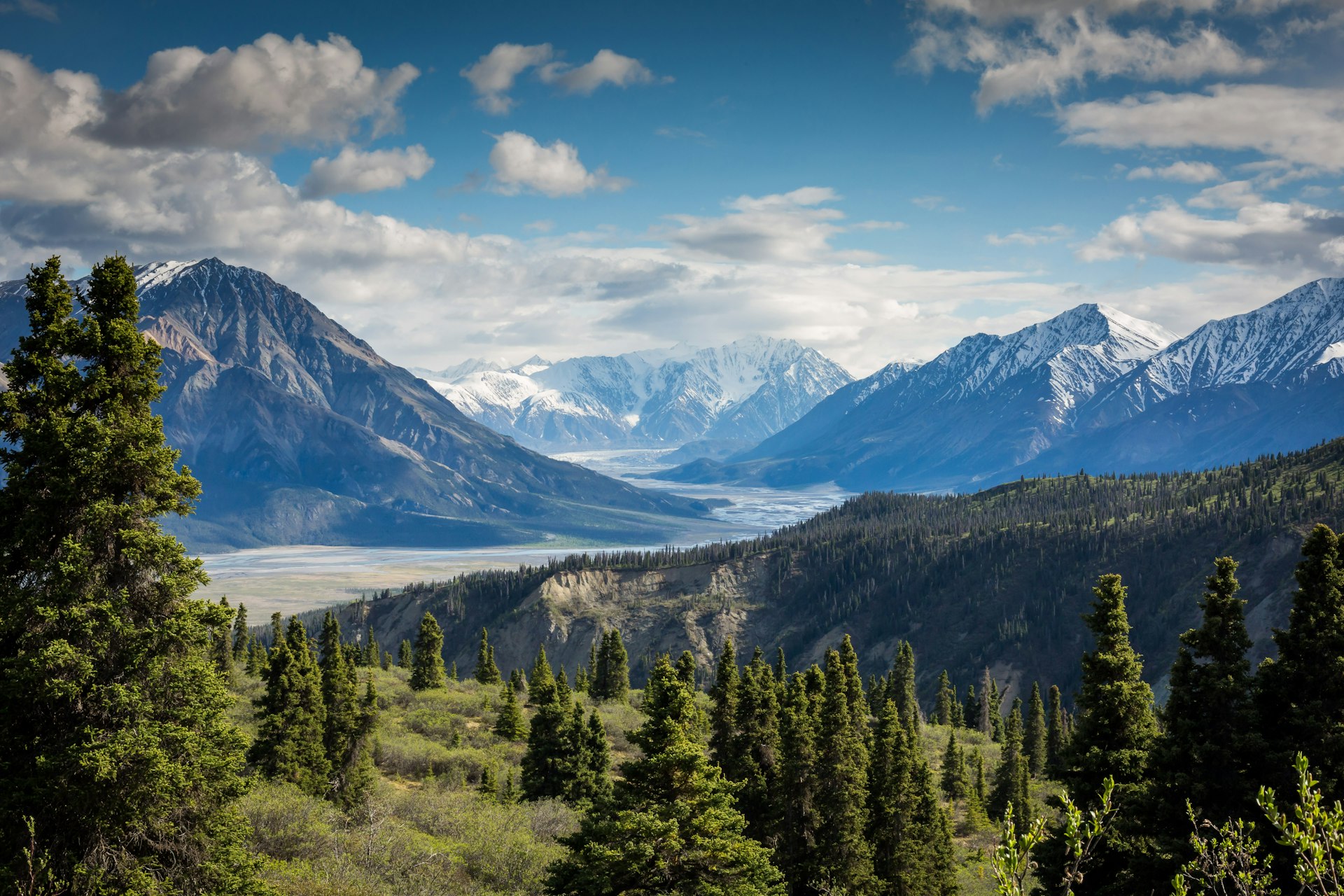
Sary-Tash
High-altitude staging before Pamir dreams—sleep smart, pack cash, and treat altitude with respect.
Village altitude
~3,170 m
From Osh
~4–5 hr
Best season
June–September
Role
Pamir / Alay hub
Why Sary-Tash matters
Junction logistics, oxygen-thin air, and honest mountain hospitality.
Search Sary Tash Kyrgyzstan and you will see Pamir Highway photos and border threads long before guesthouse brochures. That is the point: this is a working highland settlement where drivers sleep between runs, herders move animals, and travellers realise the map elevation numbers were serious. It is not a theme park—value is in respectful pacing and correct paperwork before you aim at passes.
Pair this page with our Alay Valley guide for the regional arc, then drill into Osh for supplies and cash before you climb.
What defines a stop here
Staging, borders, and landscape—not souvenir shopping.
Thin-air staging
Acclimatisation · logistics · last shops
Sary-Tash sits high enough that flying in from sea level and sleeping here the same night is a recipe for headaches. Treat the village as a deliberate pause: walk gently, hydrate, eat warm food, and confirm onward drivers in daylight. Shops are tiny—stock cash, snacks, and water in Osh when possible.
Pamir Highway & Tajikistan context
Paperwork before wheels
Many travellers pass through toward Tajikistan’s Pamir corridor or the Kyzyl-Art border. Visas, GBAO permits, and seasonal hours are not “maybe later” tasks—your operator or embassy timelines should be finished before you commit to high-pass days. Our border-crossings guide stays high-level; treat consulate sites as authoritative for your nationality.
Peak Lenin & Alay scenery
Same skyline, different turnoffs
The Alay wall dominates horizons. Some itineraries branch toward Sary Mogol and Lenin base camp; others push south or east toward borders. Confuse the villages on a map and you miss a pickup—save offline pins and Cyrillic spellings for drivers.
Guesthouse rhythm
Early dinners · cold nights
Expect simple beds, shared bathrooms, and family kitchens. Electricity can be intermittent; charge devices when power is on. Nights stay cold even in summer—thermal layers beat a single thick jumper.
Practical tips
Altitude respect
Osh is near sea level; Sary-Tash is not. Build at least one full afternoon of rest after arrival before ambitious hikes. Descend if you have persistent nausea, confusion, or shortness of breath at rest—not “tough traveller” territory.
Cash and languages
ATMs are not something to rely on here. Carry som from Osh; small USD can help in a pinch with some drivers—confirm rates openly. Russian helps; Kyrgyz phrases earn smiles.
Ethics at altitude
Border landscapes are also pasture and home. Ask before photographing people, homes, or livestock. Pack out trash; there is no municipal cleanup crew on the ridges.
Sary-Tash questions
How do I get from Osh to Sary-Tash?+
Is Sary-Tash the same as Sary Mogol?+
How many nights should I stay in Sary-Tash?+
Do I need a guide in Sary-Tash?+
Can I treat Sary-Tash as a casual stop before the Pamir Highway and GBAO?+
Related guides
Alay Valley
Regional overview, costs, and how Sary-Tash fits the southern map.
Sary Mogol
Peak Lenin base-camp side of the Alay—compare logistics with Sary-Tash.
Osh
Cash, bazaar supplies, and last city comforts before the climb.
Border crossings
High-altitude crossings and paperwork context—verify for your passport.
Permits
Where trekking and border-adjacent rules differ from a simple homestay night.
Health
Altitude basics and when to descend—non-clinical traveller framing.
Homestays
What to expect in village houses and how to book fairly.
Road trip
Mountain driving habits that matter on Alay highways.
Plan your trip
Thread Osh, passes, and lake legs into one coherent calendar.
Budget
Daily spend bands for southern Kyrgyzstan routes.