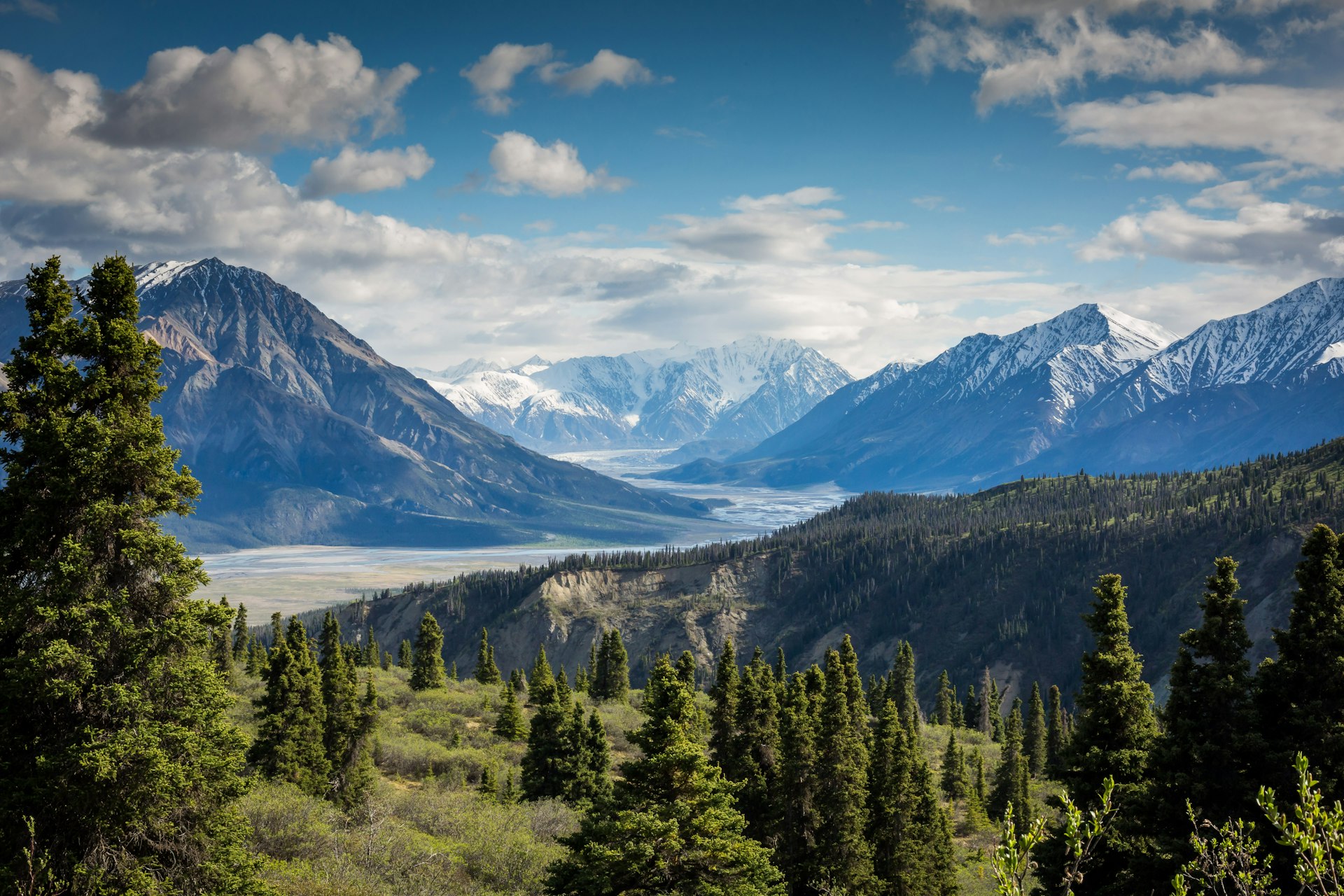
Granite walls and alpine ridges in the Tian Shan, Kyrgyzstan rock climbing country
Tian Shan granite & alpine rock

Rock Climbing in Kyrgyzstan

From Karavshin's remote big walls to Ala-Archa's alpine faces near Bishkek—Kyrgyzstan rewards roped climbers who plan weather, permits, and rescue reality as carefully as they rack cams.

Season

Jun–Sep (alpine)

Signature terrain

Karavshin granite big walls

Local expertise

Guide recommended

Altitude band

2,000–4,200 m

Kyrgyzstan rock climbing

Big walls, alpine faces & honest logistics

Kyrgyzstan trades clip-and-go convenience for granite exposure, Pamir-Alay remoteness, and prices that still feel grounded—if you arrive with skills, spare gear, and patience for mountain weather.

Kyrgyzstan rock climbing sits in a sweet spot between myth and mileage: international headlines focus on Karavshin big walls, while thousands of visitors each summer discover that Ala-Archa delivers genuine alpine rock within a short drive of the capital. Between those poles spreads a network of valleys—Issyk-Kul's eastern gorges, Osh-area limestone, and high passes along the main highways—where motivated teams can find lines that never made it into glossy guidebooks. What you will not find everywhere is bolted convenience, instant rescue, or shops stacked with every cam size; what you will find is space, dramatic relief, and local climbers and guides who know when a storm typically wipes a ridge clean in the afternoon.

Planning a trip means threading the same needles as serious trekking: acclimatisation curves, river crossings after rain, and realistic rest days in towns where you can charge batteries and buy calories. Most expeditions budget US dollars for guides, drivers, and park fees while carrying som for market snacks and village extras. Before you fix dates, read our permits overview alongside destination-specific notes—border-proximate objectives and conservation areas can add paperwork that casual hikers never see. Treat beta from forums as a conversation starter, not a contract: rock quality, anchor rust, and land access change with seasons and local agreements.
Where to climb

Six areas from expedition walls to highway crags

Match ambition to access—remote granite, Bishkek-range alpine, lake-country staging, and advanced roadside stone each ask different skills and timelines.

Karavshin Valley

Karavshin · Big wall · remote

The Karavshin granite walls are what most serious climbers picture when they hear “Kyrgyzstan rock climbing”: long, clean faces in a deep, road-light valley where approaches are measured in days, not hours. Expeditions often fly or drive to Osh, then commit to multi-day treks with porters or pack animals, fixed camps, and weather windows that close fast when storms stack against the Pamir-Alay. This is not a place to improvise protection or underestimate altitude—teams routinely budget acclimatisation treks before touching the wall. If Karavshin is on your life list, read our Karavshin destination notes and line up permits and local logistics before you leave home.

Ala-Archa National Park

Ala-Archa · Alpine · day trips from Bishkek

Within an hour or two of Bishkek, Ala-Archa puts alpine rock, mixed ground, and glacier-adjacent objectives on a timetable that suits city-break visitors and acclimatisation days alike. Routes span moderate scrambles to serious high-altitude lines where ice tools and crevasse awareness enter the picture. Park fees, ranger presence, and clearer infrastructure than in the deep south make this the most accessible honest alpine climbing classroom in the country—still not a gym session: rockfall, afternoon weather, and thin air punish rushed scheduling. Pair climbing ambitions with our Ala-Archa destination page and general trekking context for approach trails and hut-style logistics.

Jeti-Ögüz & Barskoon

Near Karakol · Sport potential · Karakol day trips

The red rhyolite towers of Jeti-Ögüz and the Barskoon gorge corridor offer dramatic scenery and a growing interest in sport and multi-pitch development, but do not expect Euro-style bolted crags on every corner—many lines remain exploratory, community-dependent, or seasonal. Karakol works well as a base: guesthouses understand adventure travellers, CBT offices can introduce drivers, and you can stack rest days with lake time or hot springs. Treat published beta as provisional; verify anchor condition, rock quality after winter freeze-thaw, and land access with locals before you commit a rope. Our Karakol activities guide frames the town’s wider adventure ecosystem.

Osh region limestone

Osh & Pamir approaches · Lighter traffic · varied rock

South toward Osh and the Fergana rim, limestone and mixed formations appear in side valleys that see far fewer visiting climbers than Karavshin headlines suggest—interesting for self-sufficient teams who speak some Russian or travel with a fixer, but thin on commercial guidebooks and rescue familiarity. Logistics often overlap with Silk Road travel: shared taxis, bazaar resupply, and border awareness if you eye routes near sensitive lines. Keep objectives modest until you have walked the stone yourself; Osh is better thought of as a cultural hub with selective cragging than as a polished sport destination.

Too-Ashuu roadside

Bishkek–Osh highway · Advanced · exposed

The high pass zone along the main Bishkek–Osh highway concentrates steep roadside rock that attracts strong locals and visitors who already read mountain hazard fluently: loose blocks, vehicle noise, unpredictable wind, and no room for ego when retreat is a narrow shoulder away. This is not where beginners should cut teeth. If you are passing with a trusted partner and solid trad or alpine skills, treat any session as a full mountain day—storm plan, headlamps, and a driver who will not block emergency lanes. Our road-trip notes help time crossings and weather reality on the corridor.

Jyrgalan & east Issyk-Kul

Jyrgalan · Staging · trek–climb combos

East of Karakol, Jyrgalan’s guesthouse network and valley access suit climbers who want hiking approaches, ridge scrambling, and the option to link foot-powered days with smaller crags or snow-dependent gullies depending on season. It is softer marketing than Karavshin but honest for mixed parties where some members trek while others scout rock. Use the valley as a place to recover from long van drives, test kit, and hire local horse support if you are threading toward remoter spurs—always confirm routes and land use with hosts before you rope up on private pasture edges.

Before you rope up

Practical tips for climbing trips

Altitude, insurance, gear scarcity, and rescue limits matter as much as your training board project back home.

Acclimatisation before you crimp

Sleeping low in Bishkek or Karakol then jumping straight onto 3,500 m routes invites headaches, nausea, and bad decisions on lead. Schedule easier days, short hikes, or a first week below your grade while your body adjusts. Our trekking overview explains altitude patterns that apply equally to climbers carrying heavier packs.

Insurance that actually covers climbing

Generic travel policies often exclude roped climbing, mountaineering, or activities above a set altitude. Read exclusions before you pay premiums, and carry policy numbers where a hospital or evac coordinator can find them. Pair that with our dedicated safety page for broader emergency assumptions in Kyrgyzstan.

Hire local guides and fixers

For Karavshin, complex approaches, or first visits, budgeting roughly $80–200 per day for experienced local guides or logistics support is normal—rates swing with group size, language skills, and how remote the objective is. Guides shorten guesswork on river crossings, shepherd interactions, and permit paperwork; they are not a substitute for your own technical competence.

Gear rental in Bishkek is limited

Expect to bring shoes, harness, protection you trust, and often ropes. Bishkek outdoor shops sometimes stock basics, but selection is nothing like Chamonix or Boulder—mail-order timing and airline sports-bag fees should be planned early. Karakol carries even less; treat the capital as your last serious gear stop.

Weather windows and afternoon electricity

Alpine zones spike with thunderstorms, hail, and fast temperature drops even when the morning looked perfect. Start early, watch cloud build along ridges, and be willing to bail. Snow patches linger late into June on shaded aspects; carry light insulation and waterproof shells every day.

Rescue reality

Helicopter rescue is not a button you press like in the Alps. Extraction may be slow, ground-based, or simply unavailable in bad weather. Climb with redundancy, first-aid training, and partners who can self-evacuate. That mindset belongs in every Kyrgyzstan rock climbing plan, especially off the main park trails.

Rock climbing FAQ

Common questions

Season, guides, permits, gear, safety, and how teams actually reach Karavshin.

Is Kyrgyzstan good for rock climbing?+
Yes—for climbers who want granite big walls, high-alpine mixed terrain, and expedition-style logistics rather than polished sport crags on every corner. Karavshin is internationally known for serious walls; Ala-Archa offers accessible alpine objectives near Bishkek; Issyk-Kul’s eastern valleys add scenic staging. Infrastructure is lighter than Western Europe, so self-reliance and local partnerships matter.
When is the rock climbing season in Kyrgyzstan?+
June through September is the practical alpine window: most high approaches are snow-free enough for reasonable hazard, hut and village support is open, and daytime storms are somewhat predictable. May and October can work for lower crags or dry spells but carry more risk of snow on approaches and cold nights. Karavshin teams still watch year-to-year snowpack closely.
How much does a climbing guide cost in Kyrgyzstan?+
Expect roughly $80–200 per day for qualified local guiding or logistics-heavy mountain support, depending on remoteness, group size, language, and whether porters, horses, or drivers are included. Multi-day Karavshin expeditions are quoted as packages; confirm what is covered—food, tents, park fees, and emergency communication—before you compare headline numbers.
Do I need permits to climb in Kyrgyzstan?+
National parks such as Ala-Archa charge entry fees; some border-proximate or restricted zones require additional paperwork or approved itineraries. Rules change, and local offices interpret them practically—verify current requirements through your guide, guesthouse, or official channels before you commit to a wall. Our permits guide collects broader border and conservation context for adventure travellers.
Can beginners rock climb in Kyrgyzstan?+
Beginners can enjoy guided days or instruction-style outings at lower-altitude venues if they find the right mentor, but Kyrgyzstan is not a mainstream learn-to-lead destination. Many classic objectives assume trad or alpine experience, long approaches, and self-rescue awareness. Build skills at home or on easier alpine treks first, then progress with local advice.
Is rock climbing in Kyrgyzstan safe?+
Climbing is inherently risky; Kyrgyzstan adds altitude, weather volatility, variable rock quality after winter, and limited rapid rescue. Risk drops when teams choose conservative grades, carry proper kits, hire knowledgeable locals, and turn around early. Read our safety guide alongside sport-specific planning—not as a substitute for mountain judgment.
What climbing gear should I bring?+
Bring your own shoes, harness, helmet, belay device, personal protection, and often ropes and rack unless your guide supplies team gear. Cams and nuts in standard ranges, ice tools and crampons if you touch mixed or glacier approaches, and repair tape for alpine sharp rock. Do not rely on buying niche protection in country; carry what the route list demands.
How do I get to Karavshin for a climbing expedition?+
Most teams route through Osh with arranged 4WD, trekking support, and sometimes domestic flights or long drives from Bishkek. Multi-day approaches mean pack animals or porters are common. Start planning months ahead: visas if needed, insurance, group permits, and weather buffers. Our Karavshin destination page anchors the travel story; stack it with adventure-itinerary thinking for realistic timelines.