Responsible Travel in Kyrgyzstan
Jailoo etiquette, waste, livestock, and how to leave places better regarded—not noisier—for the next visitor.
Travel that fits Kyrgyz landscapes
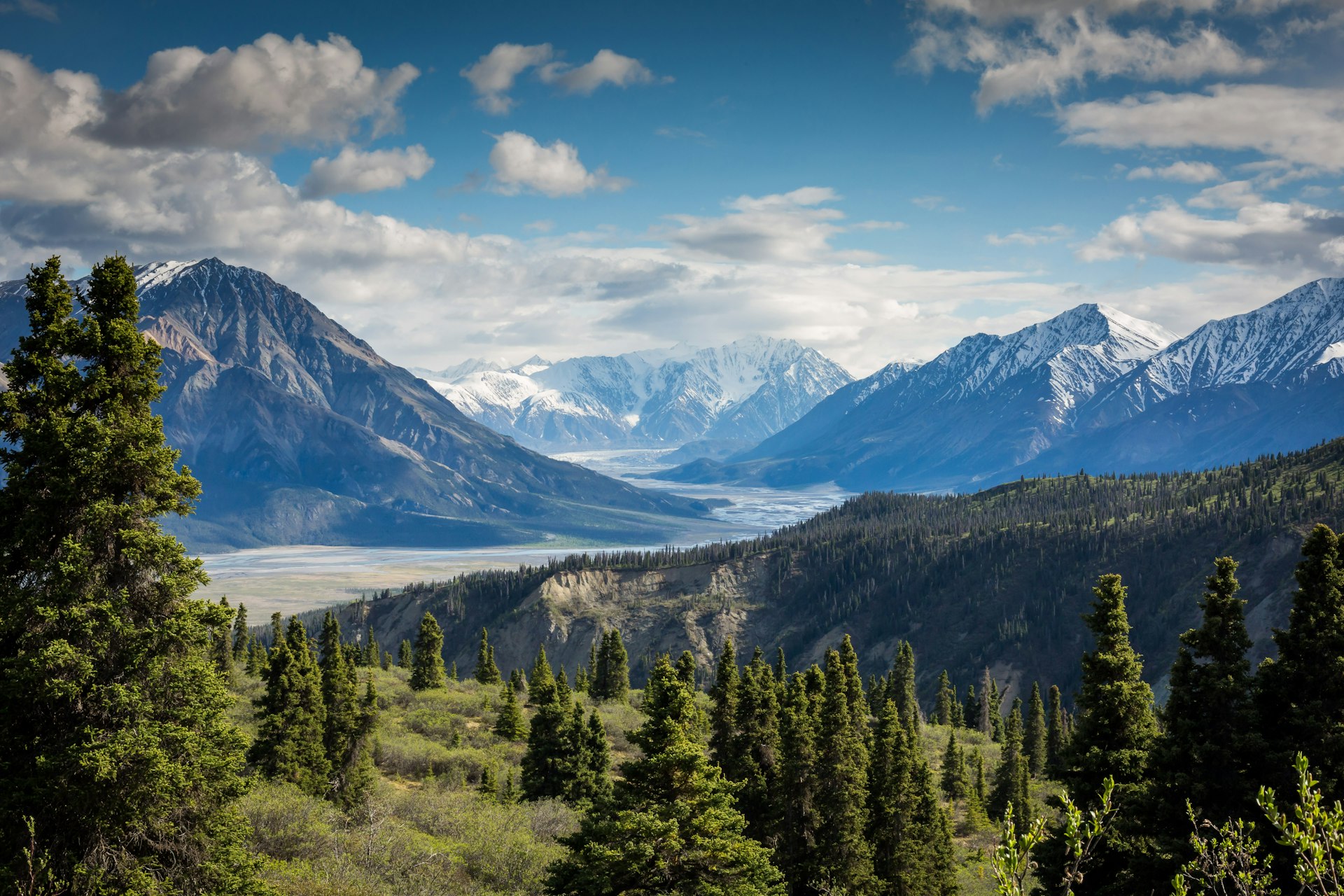
Kyrgyzstan’s marketing images show empty ridges and yurt dots—but those ridges are often working pasture, and those yurts are someone’s summer office. Responsible travel Kyrgyzstan visitors ask before crossing fences, pay for access fairly, and carry out trash because there is no municipal pickup at 3,000 metres. This page is behavioural, not moralistic: small habits keep you safer and keep hosts willing to welcome the next trekker.
Support community-based tourism and licensed drivers when you can; savings from unregistered “cheap jeep” deals often come from someone else’s fuel, tyres, or permit risk. Read border and permit rules before you chase drone shots near restricted zones.
Mining, dams & changing views
Kyrgyzstan's mountains are not frozen in time. Industrial mining, hydropower dams, and related infrastructure can alter valleys you see on maps or in older trip reports—roads may be upgraded, dust may rise on dry days, and some hillsides show active work or reclamation. None of this needs to dominate your holiday, but hikers benefit from neutral awareness: ask locally about active sites, respect safety fencing and private roads, and avoid spreading unverified claims about specific projects.
Water levels behind dams and glacial melt patterns shift season to season; river crossings and lakeshore paths that looked easy in one year may feel different the next. Combine updated guesthouse beta with our trekking notes and permits page when routes approach restricted zones. For people, gates, and camping norms, see the FAQ below.
Responsible travel questions
Can I camp anywhere in Kyrgyzstan?+
How should I behave around livestock gates?+
Is it OK to photograph people in Kyrgyzstan?+
Can I pick wildflowers or forage plants along trails?+
How do I pay fairly for handicrafts?+
How should I photograph Soviet-era monuments and heritage sites?+
What should I do with plastic and waste on a jailoo?+
Related guides
Homestays
CBT booking norms and fair payment.
Camping
Wild camping ethics and gear.
Nomadic culture
Context for jailoo life and seasonal movement.
Photography
Light, etiquette, and sensitive places.
Permits
Where border-adjacent travel is restricted.
Horse riding
Animal welfare and guide expectations.
Trekking
Trail etiquette and waste in the mountains.
Plan your trip
Pacing that avoids rushed disrespect.
Budget
Paying fairly for services and drivers.
Safety
Dogs, roads, and realistic risk.
Yurt stays
What hosts invest in hosting you.
Travel creators
Responsible storytelling in rural Kyrgyzstan.