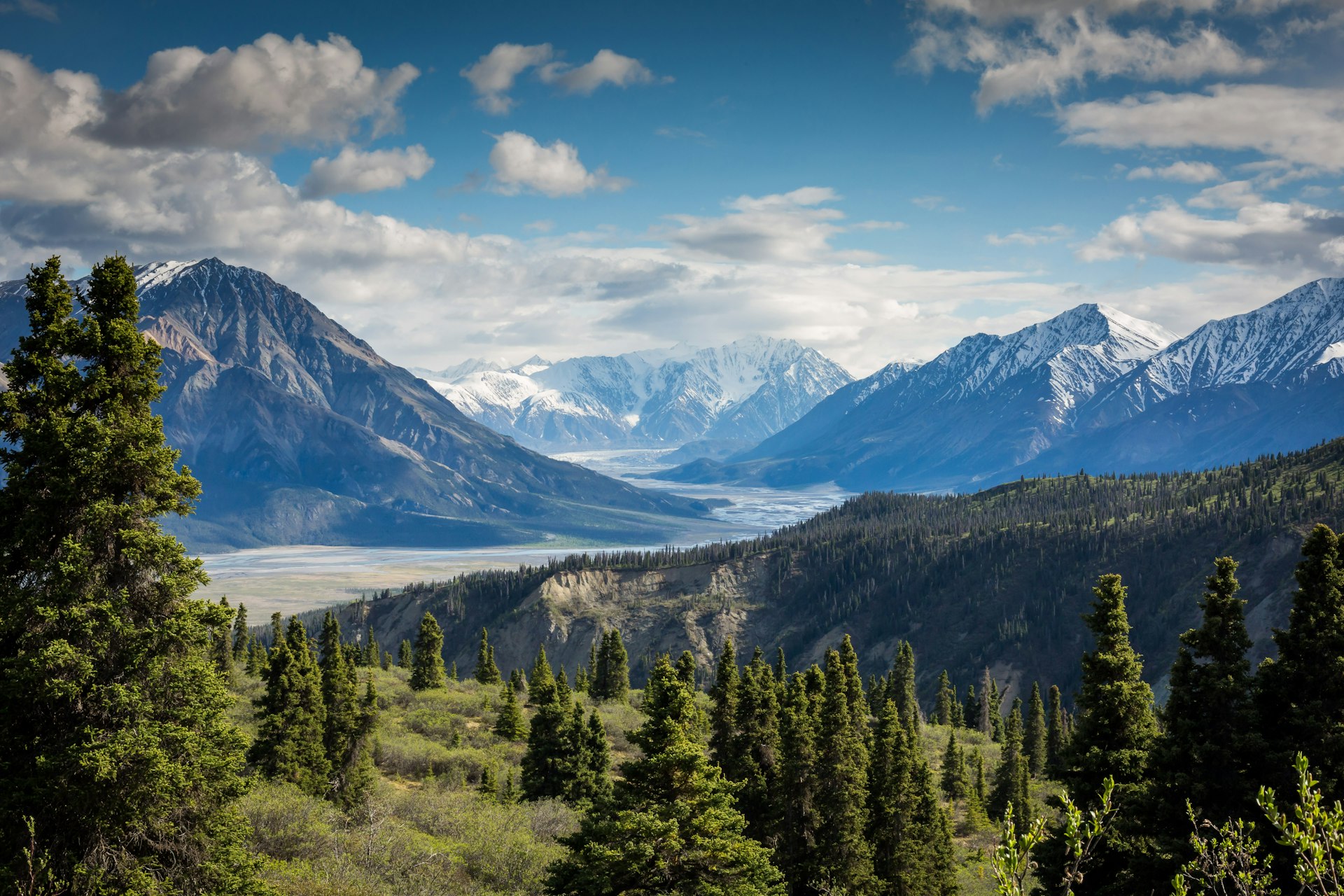
Kyrgyzstan 7-Day Itinerary
A practical loop for travellers searching for a Kyrgyzstan 7 day itinerary or a balanced one week Kyrgyzstan adventure: capital culture, Kochkor crafts, Song-Kul yurts, Karakol trails, Issyk-Kul’s south shore, and a Silk Road tower finale—without pretending you can see every oblast in seven days.
Duration
7 days
Budget
$35–80 / day
Best months
June–September
Driving distance
~1,200 km
Why this route works for seven days
The goal is simple: give you a Kyrgyzstan 7 day itinerary that feels coherent on a map, respects driving reality, and still delivers nomadic lakes, serious mountains, and Issyk-Kul colour.
Travellers typing “one week Kyrgyzstan” usually want a taste of three worlds—Soviet-planned city boulevards, jailoo hospitality above tree line, and the electric blue backdrop of Issyk-Kul—without spending half the holiday backtracking. This loop keeps the total road distance near twelve hundred kilometres, which sounds high until you remember how much vertical scenery packs into each hundred kilometres here. You begin in Bishkek for gentle jet-lag recovery and som withdrawals, climb toward Song-Kul through Kochkor’s craft economy, drop to Karakol for trekking culture, then unwind along the south shore before a Burana Tower stop scrubs the trip with Karakhanid history on the run-in to the capital.
The pacing assumes you are comfortable in shared marshrutkas, occasional bumpy 4WD, and guesthouses where English is hit-or-miss but warmth is consistent. If that matches your travel style, the days below read as a blueprint; if you prefer private drivers throughout, keep the same overnight towns but expect the upper half of the budget band—or higher. For broader logistics, connect this page with plan your trip, getting there, and our transport notes.
Seasonally, June through September unlocks the full sequence: Song-Kul camps are operating, mountain passes behave, and lake beaches invite an afternoon swim after hiking. Shoulder-month visitors may need to swap horse timing or confirm snow patches with local drivers, but the skeleton of the loop still functions if you stay flexible. However you adapt it, anchor bookings around Song-Kul first—that night is the logistical heartbeat of many one week Kyrgyzstan plans.
Photography-minded visitors should plan memory cards for three distinct palettes: pastel Soviet mosaics and green bazaar piles in Bishkek, the high-contrast blues and creams around Song-Kul, and the rust-red rhyolite drama near Jeti-Oguz. Charging bricks matter because multi-seat vans rarely offer outlets; a compact power bank keeps phones alive for offline navigation and translation apps. Socially, a few Kyrgyz or Russian pleasantries open doors faster than English alone—practice “rahmat” until it feels automatic after bread or tea. Finally, remember that herders may move camp with weather; flexibility on exact yurt names beats rigid spreadsheets when a storm front re-routes your host family to a lower jailoo for the night.
Seven days from Bishkek to the lake and back
Concrete hours, price hints, and internal links so you can drill into destination guides after you absorb the arc.
Day 1 — Arrive Bishkek
Land at Manas, change money or hit an ATM, and settle near Chuy Avenue or the Ala-Too side of town for walkable evenings. Oak Park offers shaded statues and people-watching between coffee stops; Osh Bazaar delivers chaotic colour—dried fruit towers, kurut balls, spice sacks, and tailors working pedal machines. Dinner on Chuy Avenue ranges from Georgian-influenced grills to modern Kyrgyz takes on lagman. Sleep in a mid-range hotel for roughly twenty-five to fifty US dollars or a hostel dorm near six to ten dollars if you are saving som for yurt nights ahead. Dig deeper into museums, nightlife, and day-trip staging on our Bishkek destination guide.
Day 2 — Bishkek to Kochkor
Catch a morning marshrutka from the west station toward the Naryn road; the ride to Kochkor lasts about three and a half hours and commonly costs around two hundred fifty Kyrgyz som, though exact fares shift with fuel prices. Windows open onto walnut villages and police checkpoints—keep passports handy. In Kochkor, visit a felt workshop to watch shyrdak patterns emerge under skilled hands; purchases directly support households. Evening stays through CBT-style homestays often run ten to fifteen US dollars per night including hearty dinners—perfect for asking hosts about Song-Kul weather and horse availability. Explore services, crafts, and community tourism hooks in the Kochkor guide.
Day 3 — Kochkor to Song-Kul
Choose your drama: a five- to six-hour horse trek climbing through summer pasture gates, or a two-hour 4WD transfer when schedules are tight or knees protest. Either way, the reward is a yurt ring overlooking a glassy alpine lake ringed by herders moving sheep and yak. Evening options include short horseback sunset rides and cups of kumys—fermented mare milk—offered with cheerful curiosity. Yurt stays with meals typically land between fifteen and twenty-five US dollars per person and include filling soups, bread, and sometimes fresh lake fish stories even though the catch is miles away. Pair this day with Song-Kul travel notes and our overview of yurt stays nationwide.
Day 4 — Song-Kul to Karakol
Start early: this is your seven- to eight-hour spine day, often routed toward Balykchy to touch Issyk-Kul before tracing the north shore east. Boom Gorge compresses the highway into a cinematic slit of rock and river spray; drivers know the rhythm, but passengers should still buckle up and enjoy the theatre. Pause in Cholpon-Ata for lunch—beach clubs, beer gardens, and Soviet mosaics give the stretch a resort personality distinct from Bishkek. By evening you want a Karakol guesthouse between fifteen and twenty-five US dollars with hot showers before tomorrow’s trail miles. Compare beaches, petroglyphs, and summer events via Cholpon-Ata and lock trekking beta to Karakol.
Day 5 — Karakol area hikes & culture
Spend the day in the Tian Shan foothills. The classic push is the three-hour hike one way toward Altyn-Arashan’s hot pools—forest shade, river crossings, and a soak reward at the end—or a red-rock ramble in Jeti-Oguz if you prefer shorter mileage with dramatic formations. On Sundays, sync your morning with Karakol’s animal market for a raw, friendly chaos of livestock and gossip, then visit the wooden Dungan mosque whose paintwork confuses cameras in the best way. If you have an extra day, graduate to Ala-Kul, Jyrgalan, or a focused Jeti Oguz loop using our standalone guides. Tie thermal goals to hot springs and broader trail ethics to trekking.
Day 6 — Karakol to Issyk-Kul south shore
Swing south along gravel shortcuts and lake-view ridges toward Skazka—Fairy Tale Canyon—where striped sediment looks hand-painted in the late sun. Continue toward Barskoon waterfall for a misty break before choosing a village base like Tamga or Bokonbaevo for the night — see trekking for Barskoon valley notes and Issyk-Kul beaches for shore bases. If you arranged an eagle hunting demonstration, expect a sunrise or pre-noon show depending on wind and bird temperament—photographers should tip guides and respect the animal’s rest between flights. Contextualise beaches, canyons, and microclimates on the Issyk-Kul destination page. Southern loops later? Bookmark Sary Mogol for Alay planning.
Day 7 — South shore to Bishkek & departure
Roll west for five to six hours toward the capital, breaking at Burana Tower near Tokmok for a stair climb and balbal silhouettes against the Chu Valley—link the history thread through our Silk Road guide. In Bishkek, squeeze final shopping—chocolate, textiles, or airline snacks—using ideas from day trips and city errands, then head to Manas with printed tickets and a little leftover som for coffee. If flights depart late, stash bags at your hotel and replay Oak Park one last time.
Sample seven-day cost bands
Mid-range independent travellers who mix public transport with one or two private transfers usually land inside these totals; swap yurts for hotels every night and numbers climb.
Think of the table as guardrails, not a contract. Marshrutka days slash transport costs; a single chartered van from Song-Kul to Karakol can consume the upper transport band alone. Likewise, self-catering from bazaars pulls food toward the lower range, while restaurant-heavy evenings in Bishkek nudge it higher. Activities cover park entries, short horse hires, and optional eagle fees—major multi-day treks would sit outside this seven-day snapshot. Cross-check assumptions with the Kyrgyzstan budget guide.
| Category | USD (7 days) |
|---|---|
| Transport | $80–120 |
| Accommodation | $70–150 |
| Food | $70–120 |
| Activities | $30–60 |
| Misc | $20–30 |
| Total (7 days) | $270–480 |
| Per day (avg) | $39–69 |
Practical tips for this loop
Small habits separate travellers who glide through marshrutka mornings from those who burn daylight hunting ATMs.
Book Song-Kul through CBT Kochkor
In July and August, yurt camps around Song-Kul fill quickly. Contact Community Based Tourism in Kochkor one to two weeks before peak season—or earlier if you want a specific family camp or horse trek pairing. Last-minute travellers sometimes find a bed, but the most reliable hosts and fair prices go to people who message ahead with dates and group size.
Carry cash outside cities
ATMs thin out fast once you leave Bishkek, Karakol, and major lake towns. Plan on paying drivers, yurt hosts, and small shops in Kyrgyz som. Withdraw a comfortable buffer in the capital before you head toward Kochkor and the jailoo roads, and keep small notes for marshrutkas and bazaar snacks.
Download offline maps
Maps.me and similar offline layers cover many mountain tracks and village spurs better than expectations. Download Kyrgyzstan while you still have hotel Wi-Fi. Screenshots of your guesthouse pins also save awkward charades with drivers when spelling differs between Latin and Cyrillic signs.
Pack layers for altitude swings
Bishkek afternoons can feel hot in summer while Song-Kul evenings demand a fleece and wind shell. A compact down layer, rain shell, and sun hat cover most one week Kyrgyzstan combinations. Sturdy shoes matter equally for Ala-Too sidewalks and rocky approaches toward viewpoints above the lake.
When you are ready to translate these habits into a personalised packing grid, jump to the Kyrgyzstan packing list and adjust insulation for how cold you sleep at jailoo altitude.
If something goes sideways—a marshrutka fills before you board, or rain closes a canyon viewpoint—lean on the network you have already built: guesthouse owners phone drivers faster than apps do outside Bishkek, and CBT coordinators often know which pass just reopened. Building one rest day is ideal, but even without it, attitude is cheaper than panic. Travellers who treat detours as unscheduled tours frequently remember those hours as the trip’s funniest stories once the dust settles on their boots.
Kyrgyzstan 7 day itinerary questions
Structured answers mirror the JSON-LD block in the page head for search clarity.
- Is one week enough for a Kyrgyzstan itinerary?
- Yes, if you focus on a single logical loop. This Kyrgyzstan 7 day itinerary connects the capital, a Song-Kul jailoo night, Karakol as an eastern base, and Issyk-Kul’s south shore before returning west. You will not see Osh or the far south in seven days, but you will touch nomadic lake culture, Tian Shan trekking options, and Silk Road context through Burana Tower without feeling rushed every hour.
- How much should I budget for one week in Kyrgyzstan?
- Many independent travellers land between two hundred seventy and four hundred eighty US dollars for on-the-ground costs across seven days, which averages roughly thirty-nine to sixty-nine dollars per day before international flights. That band assumes marshrutkas and shared transport, mixed guesthouses and yurts, and a few paid activities. Private drivers every leg or upscale hotels in Bishkek will push totals higher—see our dedicated budget page for category detail.
- What are the best months for a Kyrgyzstan 7 day itinerary?
- June through September offers the most dependable road access to Song-Kul, longer daylight for hikes out of Karakol, and swimming weather along Issyk-Kul. Early June can still feel cool at jailoo elevation; late September brings quieter camps and golden slopes but a higher chance of snow on high passes. May and October work for flexible travellers who accept detours.
- How do I get from Bishkek to Kochkor?
- Shared marshrutkas run regularly from Bishkek’s west bus station toward Naryn and can drop you in Kochkor in roughly three and a half hours. Fares are modest—often around two hundred fifty Kyrgyz som, though luggage and season nudge prices slightly. Arrive early for a seat, stash water and snacks, and confirm with the driver that Kochkor is on the route before you load bags.
- Song-Kul by horse or 4WD—which fits a seven-day schedule?
- Horse treks from Kochkor commonly take five to six hours of riding across open hills, rewarding fit riders with gradual immersion in pastoral landscapes. A four-wheel-drive transfer cuts the approach to about two hours when roads are dry, useful if you are nursing knees or arriving late after a felt workshop. Either way, plan a full morning buffer so you reach the yurt camp before sunset.
- Is the Song-Kul to Karakol drive realistic in one day?
- Yes, but treat it as a long travel day of roughly seven to eight hours depending on stops, road work, and whether you route via Balykchy on Issyk-Kul’s western corner before skirting the north shore. Break the journey with a lunch pause—Cholpon-Ata works well for stretching legs—and expect dramatic light as Boom Gorge cliffs frame the highway. Night driving on mountain legs is best avoided.
- Can beginners hike to Altyn-Arashan hot springs?
- The three-hour one-way footpath from Karakol gains steady elevation through forest and can feel strenuous if you are unused to packs at altitude. Reasonably fit first-time trekkers manage it with poles, water, and an early start; others hire local horse support through guesthouses. If that sounds like too much, Jeti-Oguz offers a rewarding red-rock day hike with gentler gradients for photography and picnic stops.
- Do I need to arrange an eagle hunting demo in advance?
- Yes. South shore eagle demonstrations are memorable but depend on individual falconers and community schedules. Ask your Tamga or Bokonbaevo host one or two days ahead, or coordinate through CBT-style networks. Fees vary by group size and duration; morning light is usually best for photography and bird behaviour.
Plan longer or dig deeper
Use this seven-day loop as a core week, then branch into extended itineraries, granular budgets, and transport detail.
3-day itinerary
Short Bishkek-based trip when a full week is too long.
5-day itinerary
Add Song-Kul yurt night when you have five days.
2-week itinerary
Extend east and south when you have another week for Osh or remote valleys.
10-day itinerary
A middle path between this loop and a full two-week Kyrgyzstan arc.
Plan your trip
Visas, seasons, and how to stitch regions into a coherent calendar.
Budget guide
Line-by-line costs for beds, meals, and mountain activities.
Getting there
Flights into Manas, land borders, and first-night logistics in Bishkek.
Backpacking guide
Budget travel tips, wild camping, and marshrutka logistics.
Jeti Oguz
Red-rock valley east of Karakol — easy add-on to this loop.
Sary Mogol
Gateway flavour for a future Alay or Lenin base-camp extension.