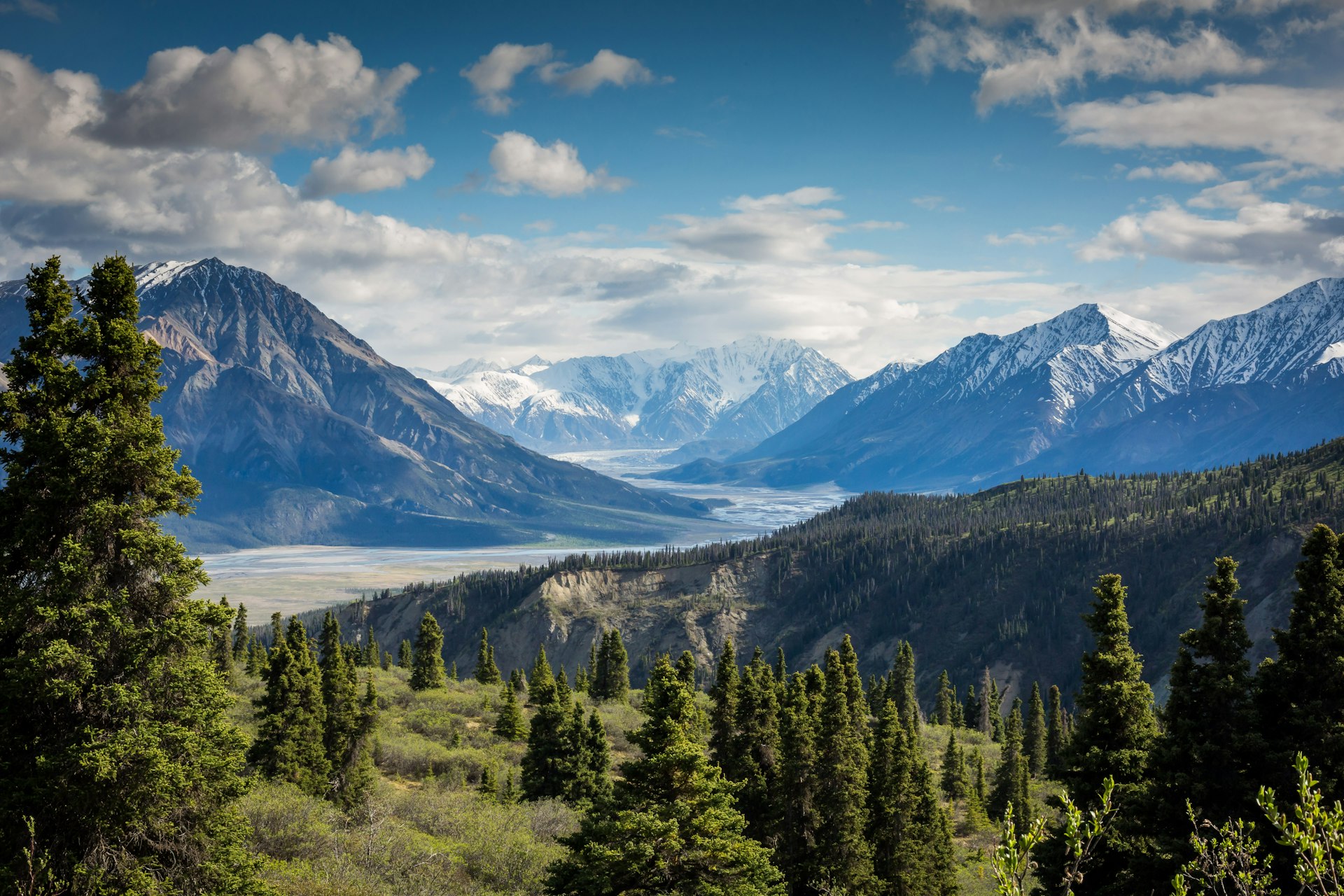
High peaks and jailoo scenery typical of a two-week Kyrgyzstan journey
14 days Kyrgyzstan

Kyrgyzstan 2-Week Itinerary

A researched north–south loop for people searching a Kyrgyzstan 2 week itinerary: capitals, jailoo, caravanserai, Issyk-Kul, walnut forests, and Osh—by marshrutka, shared taxi, and honest KGS numbers.

Duration

14 days

Budget

$30–70 / day

Best months

June–September

Route type

Full north–south circuit

Kyrgyzstan 2 week itinerary

Why this fourteen-day loop works

Fourteen days Kyrgyzstan travellers usually want one coherent story: Soviet-planned Bishkek, nomadic summer pasture, Naryn’s Silk Road silence, Russian-influenced Karakol trekking culture, lazy lake light, Arslanbob’s forests, and Osh’s ancient bazaar energy. This route respects road reality—sometimes you trade glamour for a full van day—and keeps enough buffer for weather or a broken marshrutka schedule.

Think of the trip as three acts. Act one lifts you from capital convenience to Song-Kul’s felt-and-horse economy. Act two crosses Naryn Oblast toward Tash-Rabat, then snaps you back to Issyk-Kul’s blue mirror and the Tian Shan wall above Karakol. Act three slides west along warming foothills into Arslanbob’s walnut cathedrals and finishes in Osh, where a short domestic hop or a gritty overnight bus closes the circle to Bishkek. Along the way you will spend more hours in shared transport than a fly-in luxury tour, but you will also eat with families, negotiate seats in som, and watch landscapes change from steppe to alpine to orchard.

Keyword planners often pair Kyrgyzstan 2 week itinerary with trekking or yurt keywords for good reason: the country’s best rooms are sometimes round and heated by dung stoves. If you are comparing a shorter holiday, our seven-day and ten-day outlines trim fat from opposite ends. When you are ready to translate this loop into spreadsheets, open the budget page for tiered daily math and ATM strategy before remote legs.

Responsible travel here means paying fair jeep rates instead of haggling drivers into unsafe night crossings, choosing animal experiences with transparent handlers, and carrying out plastic from canyon trails. Community-based tourism offices remain the most dependable bridge between travellers and rural hosts—use them for Kochkor, Arslanbob, and many trailheads. For visa timing, border exits, and packing lists that match this pace, the plan your trip hub pulls the operational details into one place.

Day by day

Full north–south circuit in fourteen days

Each block lists transport in Kyrgyz Som where helpful, a realistic bed type, and the activity that earns the detour. Times flex with season, road works, and how quickly your shared taxi fills.

Days 1–2

Bishkek

Transport
Arrive at Manas International Airport; city transport by Yandex Go taxi (~150–400 KGS within centre) or marshrutkas (~15–25 KGS).
Accommodation
Hostel dorm ($8–15) or mid-range guesthouse ($25–45) near Ala-Too Square or West Bus Station if you prefer an early Kochkor departure.
Key activities
Orientation day: Ala-Too Square, Osh Bazaar, Oak Park, and National Historical Museum. Second day: choose Ala-Archa National Park (marshrutka + park taxi ~400–800 KGS round trip from city) or urban galleries and coffee before the mountain loop.
Day 3

Kochkor

Transport
Marshrutka Bishkek Western Bus Station → Kochkor ~250–400 KGS, roughly three hours. Shared taxi when full ~350–500 KGS per seat, faster on good days.
Accommodation
Family guesthouse ($15–35) often booked via CBT Kochkor; many include breakfast.
Key activities
Shyrdak felt workshops and women’s co-ops—plan a half-day session (commonly 1,500–3,500 KGS including materials). Stock cash for the Song-Kul jeep share and buy road snacks for high pasture.
Days 4–5

Song-Kul

Transport
Jeep hire Kochkor ↔ Song-Kul lake arranged through CBT or your guesthouse: vehicle typically 8,000–15,000 KGS split among passengers (~2,000–4,500 KGS per seat each way depending on group size and season).
Accommodation
Yurt camp ($30–55 per person often half-board) on the jailoo; bring layers for cold nights even in July.
Key activities
Day one: settle in, short lake walk, sunset on the shore. Day two: half-day to full-day horse trek with local guides (~2,000–5,000 KGS) across summer pasture, optional eagle demonstration in some camps.
Day 6

Naryn

Transport
From Song-Kul descend by jeep toward Kochkor or a Naryn-bound junction, then marshrutka Kochkor → Naryn ~200–350 KGS. If your driver offers a through fare to Naryn, expect ~1,500–3,000 KGS per seat as a negotiated extra.
Accommodation
Simple hotel or guesthouse ($20–40) walking distance from the bazaar.
Key activities
Recovery day at altitude transition: explore Naryn bazaar for kurut, honey, and textiles, sip tea, and arrange the next shared taxi to Tash-Rabat at the stand—confirm departure time and price in som before you pay.
Day 7

Tash-Rabat

Transport
Shared taxi Naryn → Tash-Rabat ~600–1,200 KGS per seat (3–4 hours depending on road). Return or onward planning the same day is tight; most travellers overnight near the site.
Accommodation
Yurt stay ($25–45) near the caravanserai with basic meals.
Key activities
Stone caravanserai in a remote bowl—guided storytelling on Silk Road traffic is worth the small entry. After dark, clear skies favour astrophotography; bring a tripod and headlamp with red mode.
Days 8–9

Karakol

Transport
Morning shared taxi Tash-Rabat → Naryn, then long marshrutka or shared taxi segment toward Lake Issyk-Kul: common routing via Naryn → Balykchy (~400–600 KGS marshrutka) then Balykchy → Karakol (~150–250 KGS). A direct shared taxi Naryn → Karakol when available may run ~1,500–2,800 KGS per seat but saves hours.
Accommodation
Karakol guesthouse hub ($20–45); book ahead in peak July–August.
Key activities
Day eight: Altyn-Arashan valley—UAZ or hike from Ak-Suu, optional hot springs soak (driver share ~4,000–8,000 KGS per vehicle from town, split four ways). Day nine: Jeti-Oguz red rocks and valley viewpoints by marshrutka or shared taxi (~80–200 KGS each hop from Karakol).
Day 10

Issyk-Kul south shore

Transport
Marshrutka or shared taxi Karakol west along the lake toward Bokonbaevo / Tamga area ~150–350 KGS depending on exact village.
Accommodation
Lakeside homestay or small resort ($25–55) with south-shore mountain views.
Key activities
Skazka (Fairy Tale) Canyon entry ~50–150 KGS; wear sturdy shoes on loose ridges. Add a regulated eagle hunting or demonstration show where animal welfare looks sound (~2,000–5,000 KGS)—compare operators locally.
Days 11–12

Arslanbob

Transport
From the south shore, ride marshrutkas toward Balykchy or direct connections toward Jalal-Abad, then Jalal-Abad → Arslanbob ~200–400 KGS. Full link can take most of a day; start early and carry water.
Accommodation
Community homestay ($18–35) under walnut canopy; dinners are often huge.
Key activities
World Heritage-scale walnut-fruit forests: day one hike to the small and large waterfall trails (guide optional ~1,500–3,000 KGS). Day two village life, bread baking, or a longer ridge walk; buy forest honey and kernels from reputable sellers.
Days 13–14

Osh

Transport
Marshrutka Arslanbob → Osh ~150–300 KGS, about three hours winding into the Fergana-edge city.
Accommodation
Guesthouse near Jayma Bazaar ($20–40) for walkable evenings.
Key activities
Sulaiman-Too UNESCO hill (modest entry), caves and museum, sunset over the city. Full day at Osh Bazaar for spices, kurut, and handicrafts. End with Osh → Bishkek domestic flight ~3,500–5,500 KGS ($40–60) one hour, or overland return by night bus or chained marshrutkas ~800–1,400 KGS but fifteen to twenty hours—book flights a week ahead in summer.
Money

Budget breakdown for two weeks

Totals assume one traveller mixing guesthouses and yurt half-board, eating local food, and riding public shared transport except the Song-Kul jeep and occasional shared taxi saves.

Fourteen days at thirty to seventy US dollars per day multiplies to roughly four hundred twenty to nine hundred eighty dollars for on-the-ground costs before your international ticket. Below that band, you would rely heavily on hostels, ashkanas, and fewer paid activities; above it, you are adding private drivers, extra domestic flights, or upscale Bishkek and Osh hotels. Kyrgyzstan still rewards cash in hand—withdraw a chunky som reserve in Bishkek, Karakol, or Osh before remote stretches.

Expect the wallet to open widest for Song-Kul jeep shares, optional horse days, Altyn-Arashan vehicle hire, and canyon entries. Marshrutkas between major towns usually stay under five hundred KGS; cross-basin shared taxis can jump into the low thousands per seat but buy back hours. The single biggest time-versus-money decision is the Osh–Bishkek domestic flight at roughly forty to sixty US dollars versus an overnight overland slog for a fraction of the price in som. Most travellers on a tight calendar pay for the plane; long-budget backpackers lean toward the bus and treat it as one gritty story.

Track spending in KGS daily so you notice leaks early—coffee in trendy Bishkek adds up differently than kumis donations on the jailoo. Pair this section with yurt stays for etiquette on paying for extras, and with trekking if you extend Karakol into multi-day mountain routes that require permits, cooks, or pack animals.
14 days Kyrgyzstan FAQ

Planning questions answered

Straight talk on timing, solo travel, Song-Kul bookings, and whether to fly north from Osh.

Is fourteen days enough for a full Kyrgyzstan north–south circuit?+
Yes, if you move efficiently and accept a few long van days. This Kyrgyzstan 2 week itinerary connects Bishkek, high pasture, Naryn province, Issyk-Kul, Arslanbob, and Osh without rushing every single viewpoint. If you want more rest or extra trekking days, steal time from Arslanbob or combine city nights.
How much should I budget for fourteen days in Kyrgyzstan?+
Most independent travellers land near thirty to seventy US dollars per day including guesthouses or yurts, meals, and regional transport, which totals roughly four hundred twenty to nine hundred eighty dollars for the trip excluding international flights. Private jeeps every leg or domestic flights on multiple hops push the upper range.
Should I fly from Osh back to Bishkek or go overland?+
The Osh to Bishkek domestic flight commonly costs about forty to sixty US dollars one way when booked in advance and saves an exhausting overnight road leg. Overland return by bus or marshrutka is cheaper in som but can take fifteen to twenty hours—reasonable if you are robust on winding roads and tight seats.
Do I need to book Song-Kul yurts in advance?+
For July and August, yes—email CBT Kochkor or named camps a few weeks ahead. June and September are easier walk-in but still call ahead on weekends. Always confirm jeep price, meals included, and whether horse guides are onsite.
Is this 14 days Kyrgyzstan route safe for solo travellers?+
Thousands of solo visitors complete similar loops using marshrutkas and guesthouses. Standard advice applies: share your rough schedule, avoid driving mountain passes at night without experience, and keep cash in two stashes. See our solo travel notes for cultural norms and city safety tips.
What is the hardest transport day on the loop?+
Linking Tash-Rabat back toward Issyk-Kul involves long hours and connections through Naryn or Balykchy. Start early, eat breakfast in Naryn, and prefer a paid shared taxi seat over waiting indefinitely for a perfect marshrutka if time is tight.
Can I shorten horse trekking if I am a beginner?+
Yes. Song-Kul and Kochkor outfitters routinely offer two- to four-hour rides on gentle terrain. State your experience honestly, wear a helmet if offered, and avoid multi-day saddle camps unless you are fit and booked with a reputable guide.
When is the best window for mountain passes and lake weather?+
June through September offers the most reliable pass access and yurt camp openings. Early June can still see snow patches on high tracks; late September brings cold nights but quieter trails. Outside this band, reroute away from Song-Kul and confirm Naryn–Tash-Rabat conditions locally.