Kochkor → Song-Kul
- Difficulty
- Easy–moderate
- Duration
- 2–3 days
Highlights: Green jailoo pastures, seasonal yurt camps, classic introduction to high-mountain riding with dramatic lake arrival.
Est. cost per day: $40–50/day
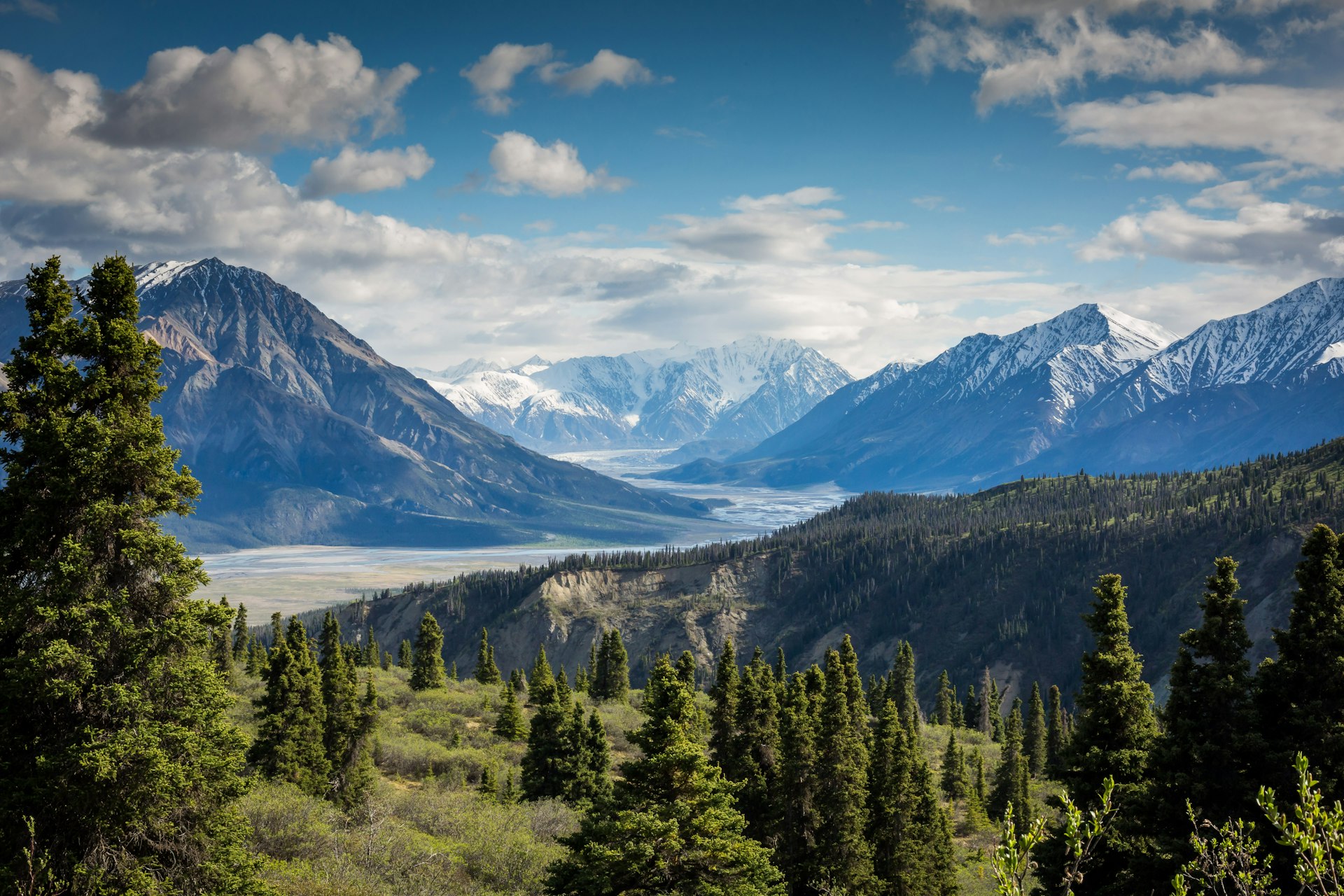
Kyrgyzstan horse riding and Kyrgyzstan horse trek itineraries unlock high pastures, yurt camps, and dramatic lake horizons without requiring you to be an expert equestrian. From half-day forest rides to multi-day Song-Kul circuits, small mountain-bred horses and local guides make Central Asia’s backcountry surprisingly accessible.
Season
June–September
Cost
$40–60/day guided
Experience needed
No — beginners welcome
Best route
Kochkor to Song-Kul (2–3 days)
Six proven horse-focused itineraries from accessible valley days to high-altitude Pamir approaches. Match duration and difficulty honestly—your legs and seat matter as much as the horse’s fitness.
Most people researching Kyrgyzstan horse riding or a multi-day Kyrgyzstan horse trek want the same thing: mountain scenery at a nomadic pace, nights in yurts or homestays, and a small, hardy horse carrying them across passes they might otherwise walk. The country delivers on routes radiating from Kochkor toward Song-Kul, from Karakol into Jyrgalan, and from Osh south into the Alay. Unlike destinations where trail riding is a short resort loop, Kyrgyzstan embeds horses in daily economic and cultural life—so itineraries feel connected to work and seasonal movement, not only to tourism.
Pricing for guided horse treks typically clusters between $40 and $60 per day in peak season when guide, horse, and logistics are bundled, though simple day rides in forested southern valleys can cost less. Independent travellers sometimes negotiate components separately; clarity on what is included—meals, yurt fees, park entries, return transport—prevents awkward settlements in cash-only camps. English is increasingly common in Bishkek and Karakol agencies, but on the trail your guide may work through gesture, patience, and a few shared Russian phrases. That human pace is part of the experience: you are not racing; you are travelling with people who read weather on ridgelines and know which fords swell after noon.
Packing & horse etiquette: soft layers beat stiff jeans on long saddle days; rain shell for afternoon squalls; small dry bag for electronics. Ask before mounting if animals are being saddled for work; never ride between shepherds and moving herds. Link forward to responsible travel for pasture behaviour.
The cards below highlight six standout Kyrgyzstan horse trek options. Use them alongside our trekking overview if you want to combine riding days with walking stages, and browse destinations for regional detail on road access and seasonal services.
Highlights: Green jailoo pastures, seasonal yurt camps, classic introduction to high-mountain riding with dramatic lake arrival.
Est. cost per day: $40–50/day
Highlights: Circumnavigate Kyrgyzstan’s great alpine lake on horseback, with wide horizons and nomadic hospitality along the shore.
Est. cost per day: $45–55/day
Highlights: Pristine valley rides below the Tien Shan, flexible day or multi-day loops, strong CBT and guide infrastructure.
Est. cost per day: $35–45/day
Highlights: Wide grasslands, river crossings, and open riding between village support points—ideal for riders who want space and pace.
Est. cost per day: $40–50/day
Highlights: Pamir-Alay scenery with Peak Lenin as a constant backdrop; longer stages and altitude demand fitness and good gear.
Est. cost per day: $50–65/day
Highlights: Walnut-forest rides and village access—lower altitude, family-friendly, and a softer saddle day between bigger mountain legs.
Est. cost per day: $25–35/day
Understanding why Kyrgyzstan is called the land of horses deepens every ride—from games to cuisine.
Kyrgyzstan is widely described as the land of horses, and for good reason. Horses are woven into the economy, sport, diet, and identity of the country. Herders still move livestock between summer jailoo and winter villages; horses carry gear where roads fail; and competitive riders celebrate speed and courage in arenas and open fields. For visitors, that cultural density means your horse trek is not an isolated adventure sport—it is a thread in a larger fabric you can explore through festivals, village hospitality, and nomadic culture.
Traditional games include Kok-Boru (buzkashi), a fierce team contest played with a goat carcass that rewards horsemanship and courage; Kyz-Kuumai, where a rider chases a partner across the open steppe; and At-Chabysh, long-distance racing that showcases endurance across the landscape. You may not witness every game during a short visit, but knowing they exist helps you interpret the pride locals take in horses—and the skill guides expect from their animals on steep trails.
On the table, kumys, fermented mare’s milk, is often called the national drink. Herders produce it in summer pastures; taste respectfully if offered, and note that alcohol content is modest but real. Pairing riding with cultural openness—accepting tea, asking permission before photographing people, and tipping fairly for good service—creates the mutual respect that turns a route into a relationship.
Clothing, fitness, tack, and breed basics—what actually matters before you mount up.
What to wear: Long pants protect inner thighs and calves from stirrup leather and brush; avoid loose scarves that can snag. Closed-toe shoes with a small heel or rugged trail shoes approved by your guide beat open sandals on steep, stony paths. Layered tops handle cold dawn starts and hot midday sun; a brimmed hat or cap fits under helmets where provided. Carry sunscreen and lip balm—UV is stronger at altitude than many riders expect.
Physical preparation: Core strength and balance help but are not prerequisites for most introductory routes. If you can hike moderate hills and handle a full travel day, you can likely manage a guided horse trek at a walking pace. Multi-day trips with long hours in the saddle reward general fitness; stretch hips and lower back in the evenings to reduce stiffness.
Saddle style: Many outfitters use Russian or military-style saddles with firm padding. Experienced riders sometimes bring padded cycling-style undershorts; others layer padded underwear under long pants. If you are prone to saddle sores, ask in advance about seat pads or shorter first days—guides prefer to adjust early rather than nurse injuries on remote trails.
The horses: Kyrgyz mountain horses are typically small, sure-footed, and calm on tourist routes. They are bred for broken terrain and altitude, not for galloping circuits. Trust your guide’s match between rider weight, experience, and animal—local judgment keeps groups safe when weather shifts or trails narrow above exposure.
CBT offices keep costs transparent; Bishkek agencies add English and logistics for complex trips.
Community Based Tourism (CBT) offices in Kochkor, Karakol, and Bishkek remain a practical first stop for many travellers. Booking directly at CBT is often the cheapest way to secure guides, horses, and homestays with clear community benefit—ask for written or message-based confirmations when possible, especially for peak weeks. Staff can suggest routes that match weather and your timeline, and they coordinate with horse owners who may not list services online.
Bishkek agencies such as Novinomad, Silk Road Adventures, and Kyrgyz Concept package airport transfers, English-speaking guides, and country-wide routing—valuable if you are combining Osh, the Alay, and Issyk-Kul in one journey. Compare whether meals, park fees, and private vehicle days are included; the cheapest headline price can omit essentials you will pay in cash later.
Peak season: For July and August on popular Song-Kul and Jyrgalan departures, try to book one to two weeks ahead—walk-in luck happens, but families and European holiday traffic fill horses and guides first. Shoulder-season travellers gain flexibility but must confirm pass conditions and yurt openings. Tie transport and acclimatisation into a coherent schedule using our plan your trip hub and summer travel notes.
No experience is required for most advertised routes—here is what to expect on day one and beyond.
No experience needed for most standard Kyrgyzstan horse trek packages aimed at international visitors. Guides position beginners on steady animals, explain basic rein and posture cues, and set a pace where horses follow in line—reducing decision fatigue on narrow tracks. Your job is to stay balanced, communicate discomfort early, and never attempt stunts you have seen in festival videos.
Expect your first full day in the saddle to produce soreness in thighs and lower back even if you are fit; that is normal and usually improves as you relax into the rhythm. Build confidence with a half-day ride before committing to a multi-day loop, and ask for a shorter stage if lightning or fatigue makes the group uneasy—good guides appreciate honesty.
Children: Many operators accept riders aged eight and above with guide assistance and parental judgment on route difficulty. Helmets may not be universal; bring your own if standards matter to you. Match itineraries to attention spans—forest day rides often beat long exposed passes for younger riders.
Finally, align expectations with safety resources: read our safety guide for insurance, altitude, and emergency context that applies whether you are on foot or on horseback. Riding adds animal behaviour to the risk list—listen, stay calm, and treat the horse as a partner, not a machine.
Practical tips for memorable images without risking gear, horses, or local trust.
A short strap around the wrist or a small belt pouch beats a neck strap that can snag on the pommel. For DSLRs, consider leaving the big body at the guesthouse and using a compact or phone unless you are an experienced rider.
Walking pace is when you get sharp frames—trot and canter blur backgrounds and risk drops. Ask the group to pause on safe, wide overlooks rather than stopping on eroded trail edges.
Yurt camps and milking scenes are intimate—ask before raising a lens. Do not ride between working shepherds and their animals; you are a guest in their workplace.
UV is harsh above 2,500m; polarizing filters help lake and sky separation. Morning mist on Song-Kul lifts within an hour of dawn—plan an early saddle-up with your guide’s agreement.
For location ideas and Milky Way spots after your ride, see our Kyrgyzstan photography guide and Song-Kul trek planning notes.
Beginners, costs, season, clothing, booking, and horse safety—quick answers for Kyrgyzstan horse riding plans.
Trekking, destinations, culture, itineraries, safety, and summer timing—build a trip around your ride.
Foot trails, passes, and how to combine hiking with horse-supported luggage on shared routes.
Regional guides from Issyk-Kul and the Alay to walnut forests and alpine lakes.
Yurt life, hospitality, and seasonal movement on the jailoo—context for your ride.
Itineraries, transport, budgets, and how to stitch horse treks into a broader Kyrgyzstan loop.
Insurance, roads, altitude, and practical risk awareness alongside trail and riding choices.
Peak season timing, weather patterns, and what opens when for mountain travel.
Kok-boru, eagle hunting, horse archery — the ultimate showcase of mounted sport.
Golden hour, night sky spots, drone registration, and respectful people shots on the trail.
Horse approach to the alpine lake — the classic photo-rich multi-day ride.