Beshbarmak
$3–6"Five fingers"
Boiled meat—often horse or lamb—served on broad flat noodles with onion broth. The ceremonial national dish, shared at celebrations and respected guests. Expect roughly $3–6 in restaurants.
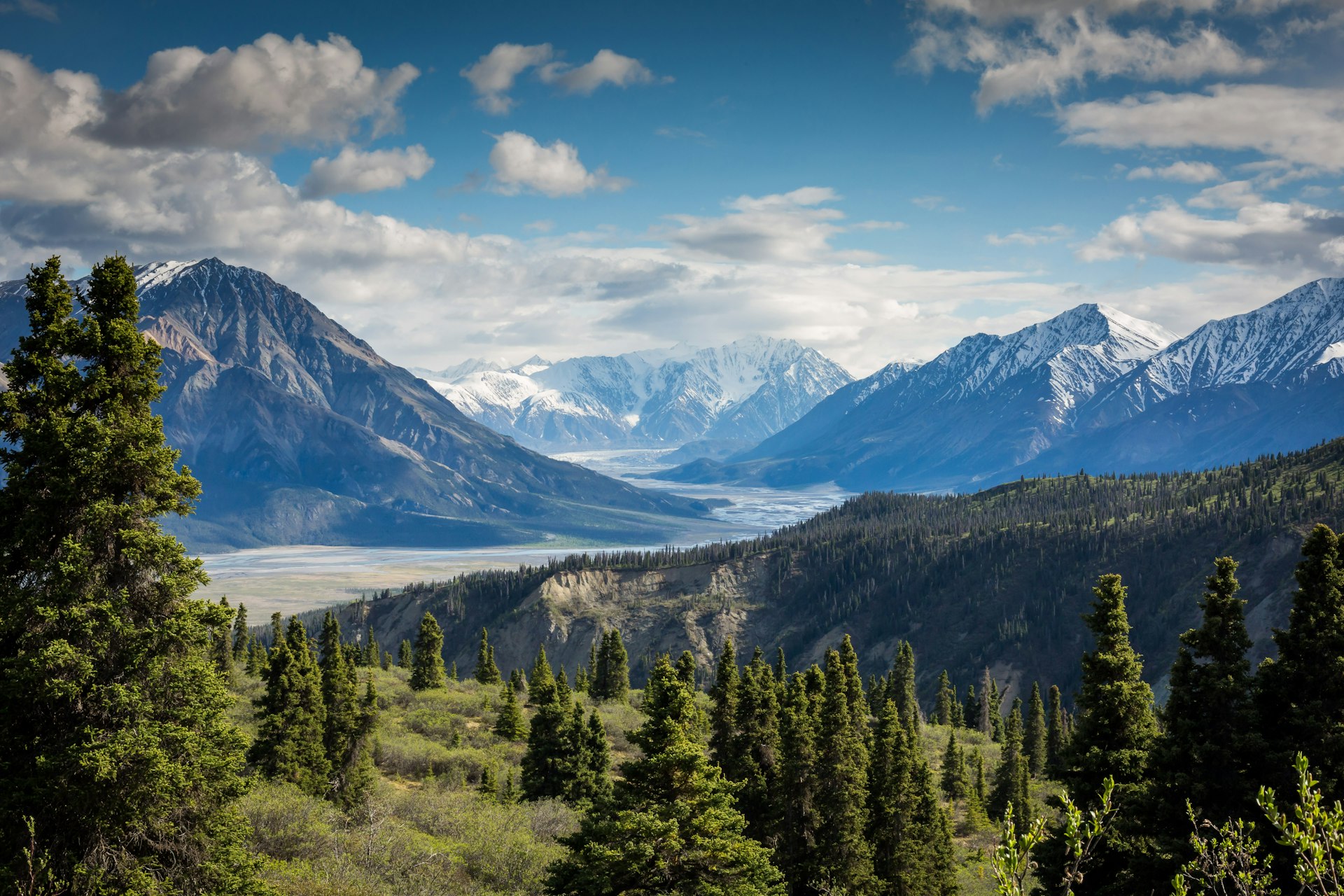
What to eat in Kyrgyzstan—from bazaar samsa to celebratory beshbarmak—plus drinks, manners, and where locals actually lunch.
National dish
Beshbarmak
Average meal cost
$2–8
Plant-based
City-first; plan rural
Must-try drink
Kumys
Kyrgyz cuisine is a braid of nomadic herding culture, Silk Road trade, and neighbour influences—especially Uzbek, Dungan, and Russian Soviet-era habits. Meat, dairy, noodles, and bread anchor most meals; vegetables appear more boldly in cities than on remote jailoo summer pastures. Travellers who search “Kyrgyzstan food” or “what to eat in Kyrgyzstan” usually want three things: iconic dishes, honest prices, and settings that feel local rather than staged. This guide delivers practical ordering language, typical price bands, and geography—Osh for plov, Karakol for ashlan-fu, Bishkek for breadth—so you eat well on any route.
Breakfast at a homestay might mean fresh bread, jam, kaymak-style clotted cream, and boorsok beside endless tea. Lunch in transit could be two samsa and a bottle of maksym from a cooler. Dinner in Bishkek might swing modern Georgian or Korean—but the dishes visitors remember years later are usually lagman after a mountain pass, or a shared plate of beshbarmak where someone insists you take the honoured cuts. Food is social glue: refusing every offer of tea can read as cold; accepting small portions keeps relationships warm even when you are full.
Hygiene standards vary. Busy bazaar stalls with high turnover are often safer than empty-looking buffets. Peel fruit, watch shashlik come off a clean grill, and prefer bottled or boiled water when unsure. If you are sensitive to dairy, pace yourself with fermented drinks and kaymak; if you need halal options, ask plainly—many Kyrgyz Muslim families and vendors follow familiar slaughter norms, but cross-contamination in mixed kitchens always deserves a direct question. None of that should deter you—the eating is part of why people fall in love with the country. Pair this page with our trip planner, destination guides, and budget notes so meal stops align with your transport days and cash habits.
Neutral, practical habits—most visitors eat widely without drama; these notes reduce avoidable upset stomachs.
Water: Sealed bottled water is the default for short trips; in homestays, boiled or filtered water is common—ask if unsure. In cities, ice and salads may be fine at reputable venues; in rural areas, prefer cooked meals and peeled fruit until you know how your stomach responds.
Dairy: Fermented mare’s milk, fresh cream, and kurut are delicious—pace yourself if you are not used to rich pasture dairy. Bottled commercial versions are a softer entry than large pours from a fresh churn.
Street stalls: Choose busy stalls where samsa and shashlik come straight off the heat; avoid trays that have sat in the sun. For medical context on water treatment and tummy bugs, see our health guide.
Ten plates and snacks that explain Kyrgyzstan on a fork—from ceremonial beshbarmak to pocket-change samsa.
"Five fingers"
Boiled meat—often horse or lamb—served on broad flat noodles with onion broth. The ceremonial national dish, shared at celebrations and respected guests. Expect roughly $3–6 in restaurants.
Hand-pulled noodles
Hearty noodle soup with vegetables and lamb, rooted in Dungan communities but found everywhere from city cafes to roadside stops. Filling and affordable at about $2–4.
Rice pilaf
Central Asian rice pilaf with lamb, carrots, onions, and garlic—strong Uzbek influence. The city of Osh is the spiritual home; seek it in bazaars and dedicated plov houses for $2–5.
Steamed dumplings
Large steamed dumplings stuffed with lamb and onion, sometimes with a splash of broth inside. Served with sour cream or vinegar. Widely available for $2–4 per portion.
Bazaar staple
Flaky baked pastry filled with meat and onion, hot from tandoor-style ovens. Sold at every major bazaar—grab standing up. Usually $0.30–0.80 each.
Grilled skewers
Grilled lamb skewers, the default street and terrace protein. Often paired with raw onion and vinegar for balance. Budget about $1–3 per skewer depending on size and venue.
Karakol specialty
Cold spicy noodle soup of Dungan origin—ideal on a hot Issyk-Kul summer day. Karakol is the place to compare versions. Typically $1–2 for a generous bowl.
Fried meat & potatoes
Lamb or horse meat fried with potatoes and onions in its own rendered fat. Simple, salty, satisfying—common in homes and casual eateries at $3–5.
Rolled steamed dough
Steamed rolled dough with pumpkin or meat filling—comfort food you are likeliest to encounter at homestays and family tables. Portions often run $2–4 when sold commercially.
Fried bread
Small diamond-shaped pieces of fried dough—on every festive table, homestay breakfast spread, and many bus-stop snacks. Essential at Nooruz and gatherings; often free with tea.
From fermented mare’s milk to post-dinner cognac—what to sip when chai cups keep refilling.
Kumys is fermented mare’s milk, slightly effervescent, sour, and tied to summer pasture life. It is seasonal, not always easy for first-timers, and genuinely meaningful to try if you are curious—buy a small portion before committing to a litre. Maksym and chalap are milder fermented grain drinks, sometimes compared to liquid bread; locals drink them cold on hot afternoons. Kymyz Shoro and similar brands bottle kumys-style products for supermarkets, useful when you are between villages.
Tea is the real national beverage: hosts refill cups before you notice, and sugar cubes or jam to stir in are common. Sitting for tea is often the start of friendship—or directions, or a homestay invitation. Kyrgyz cognac (grape brandy aged in oak) punches above its price in many blind tastings; it appears at celebrations and in bottle shops beside vodka. Enjoy in moderation, especially at altitude.
Beer from Central Asian and Russian brands is widely sold in cities; natural juices and kompot appear in cafes. When hiking, carry extra water—salty kuurdak and roadside shashlik increase thirst, and alpine sun dehydrates faster than many travellers expect.
Markets, canteens, city restaurants, and family tables—each layer of the food system tastes different.
Bazaars are classrooms for hungry travellers. In Bishkek, Osh Bazaar strings together samsa ovens, dried fruit mountains, kurt balls, and dairy corners; in Osh, Jayma Bazaar layers bread rings with the perfume of spices headed for home plov pots. Go mid-morning when batches are fresh, point politely, and carry small change.
Ashkanas are local canteens—trays, steam tables, and honest portions for roughly $1–3. They are ideal when you want lagman, cutlets, or salad without a language marathon. Look for busy lines; food turnover equals flavour.
Bishkek restaurants span Soviet nostalgia halls, slick international kitchens, and Kyrgyz-Uzbek hybrids. Use them when you crave variety after weeks of mountain carbs. Reservations help on weekends for popular spots.
Homestay meals are where oromo, kuurdak, and endless bread often taste best—recipes untrimmed for tourism. Say yes to breakfast packages when trekking circuits include family stays.
Street carts deliver shashlik smoke, grilled corn, and seasonal fruit at bus stations and lake promenades. Same rules apply: crowds, high heat from the grill, and peeled or cooked produce reduce guesswork.
You can eat well with planning—even when menus read like a butcher’s diary.
Meat dominates traditional Kyrgyz cooking, and stock bases often hide in soups. That said, lagman can frequently be prepared vegetable-only if the kitchen agrees; fried lagman plates are another angle. Salads—cucumber-tomato, cabbage, Korean-style carrot—anchor many cheap trays. Bazaars overflow with apples, berries, nuts, and bread for picnic days.
Vegans face a harder road: dairy appears in tea service, dumplings, and most celebratory spreads. State “no meat, no dairy, no egg” in writing for homestays via CBT; carry plant milk powder or bars for backup. Vegetarians who eat cheese and egg usually fare fine in cities and adequately in villages once hosts understand.
Bishkek offers the widest selection of explicitly vegetarian-friendly cafes; bookmark a few before you arrive. Outside the capital and major towns, carry protein bars, nut butter, or instant options for long van legs. Communicate dietary needs with simple Russian phrases or a translation card; patience and smiles bridge most gaps. For broader context on customs around hosting, see our culture guide and homestays page for meal timing with families.
Ask plainly in the kitchen; assumptions fail when Soviet-era canteens mix menus.
Many Kyrgyz Muslims eat halal meat from trusted butchers; Uzbek and Dungan-run stalls in Osh and Karakol often align with familiar norms. The traveller issue is cross-contact: shashlik grills may rotate pork and lamb; shared oil blurs lines. If you need strict halal, prefer venues that advertise it, choose grilled fish or vegetable mains after asking about stock, or self-cater from markets. This site offers practical travel etiquette only — when religious law matters personally, carry guidance you trust.
Southern routing ( Osh, Fergana edges) feels more consistently halal-forward in daily life than some northern Soviet canteens — still verify per meal.
Cyrillic script helps ashkanas; pronunciation beats perfection.
| Phrase (romanized) | Meaning |
|---|---|
| Ya vegetariyanets / vegetarianka | I am vegetarian (m/f). |
| Bez myasa, pozhaluysta | Without meat, please. |
| Bez bul’ona / bez bul’on | Without meat stock (ask in soups). |
| Postnoye menyu yest’? | Do you have fasting / vegan-friendly options? (Orthodox lent logic — sometimes understood). |
| Ya ne yem svininu | I do not eat pork (useful alongside halal questions). |
| Eto halal? | Is this halal? (practical kitchen question, not theological debate). |
Pair with offline Google Translate Kyrgyz + Russian packs and a screenshot of this table — valley drivers may read Cyrillic faster than English.
Kyrgyz cuisine changes with the landscape — Dungan noodles in Karakol, plov in Osh, nomadic dairy at Song-Kul, and international fusion in Bishkek.
Known for: Craft beer scene (Save the Ales, Beerlin), Korean-Kyrgyz fusion, European cafes, best vegetarian options
Must-try: Dungan ashlan-fu at Bishkek Jayma Bazaar, lagman at any Uyghur cafe on Kievskaya, evening shashlik on Ibraimova
Known for: Dungan cuisine capital — ashlan-fu, hand-pulled noodles, steamed buns (manty with vinegar dip)
Must-try: Ashlan-fu from the outdoor stalls on Toktogul Street, Dungan manty at Zarina cafe, smoked fish from Issyk-Kul
Known for: Plov (paloo) capital of Central Asia, Uzbek-influenced cuisine, massive bazaar food scene
Must-try: Plov at Jayma Bazaar, samsa fresh from tandoor ovens, lamb shashlik at evening stalls near Sulaiman-Too
Known for: Nomadic dairy culture — kumys, kurut (dried yoghurt balls), fresh cream, boorsok with jam
Must-try: Fresh kumys milked that morning, beshbarmak prepared by the host family, boorsok with homemade apricot jam
Known for: Horse meat traditions, kuurdak, dried meats, hearty mountain cuisine for altitude
Must-try: Horse meat kuurdak at a homestay, chuchuk (horse sausage) if offered at celebrations, fresh bread from village tandoors
Five tiers of eating in Kyrgyzstan, from $1 canteens to $20 Bishkek restaurants.
| Type | Cost | What to expect | Best for |
|---|---|---|---|
| Ashkana (local canteen) | $1–3 | Cafeteria-style: point at what looks good, pay at the register. No menu in English. Fast, filling, authentic. Found in every town. | Budget travellers, authentic daily food |
| Bazaar food stalls | $0.30–2 | Samsa from tandoor ovens, shashlik on open grills, fruit, bread, nuts. Standing or squatting. Peak Kyrgyzstan food experience. | Snacks, street food, market culture |
| Homestay meals | $5–10 (dinner) | Home-cooked multi-course meals served on the floor. Beshbarmak, salads, bread, tea. The most intimate food experience. | Cultural immersion, rural areas |
| Mid-range restaurants | $5–12 | Menus in Russian (sometimes English). Lagman, plov, grilled meats, salads. Bishkek and Karakol have the best selection. | Comfort dining, groups |
| Bishkek cafes & international | $8–20 | Coffee shops, Italian, Georgian, Korean, craft beer bars. Quality varies but Bishkek punches above its weight for a Central Asian capital. | Western comfort food, date nights |
Small gestures matter when bread and tea are sacred.
Hungry for itineraries built around these flavours? Our experiences section links treks, lake loops, and community tourism that schedule memorable dinners—not just photo stops.
Vegetarian, halal, regional plates, and safe street eating.
Link food stops with routes, culture, budgets, and active trips across the country.
Routes, seasons, transport, and day-by-day planning for Kyrgyzstan.
From Issyk-Kul and Song-Kul to Osh, Karakol, and the Alay.
Traditions, festivals, crafts, and how food fits Kyrgyz hospitality.
Daily costs, cash, and how to stretch som without missing the best meals.
Trekking, yurt stays, and trips that pair perfectly with homestay dinners.
Dungan food capital — ashlan-fu, hand-pulled noodles, and the best bazaar scene.
Plov capital with the legendary Jayma Bazaar and Sulaiman-Too views.
Craft beer, cafes, Osh Bazaar, and the capital's best eating spots.
Jayma, Osh Bazaar, Dordoi — where to shop, bargain, and eat between stalls.
Easy Issyk-Kul valley day trip — yurt snacks, hikes, and picnic-friendly scenery near Karakol.