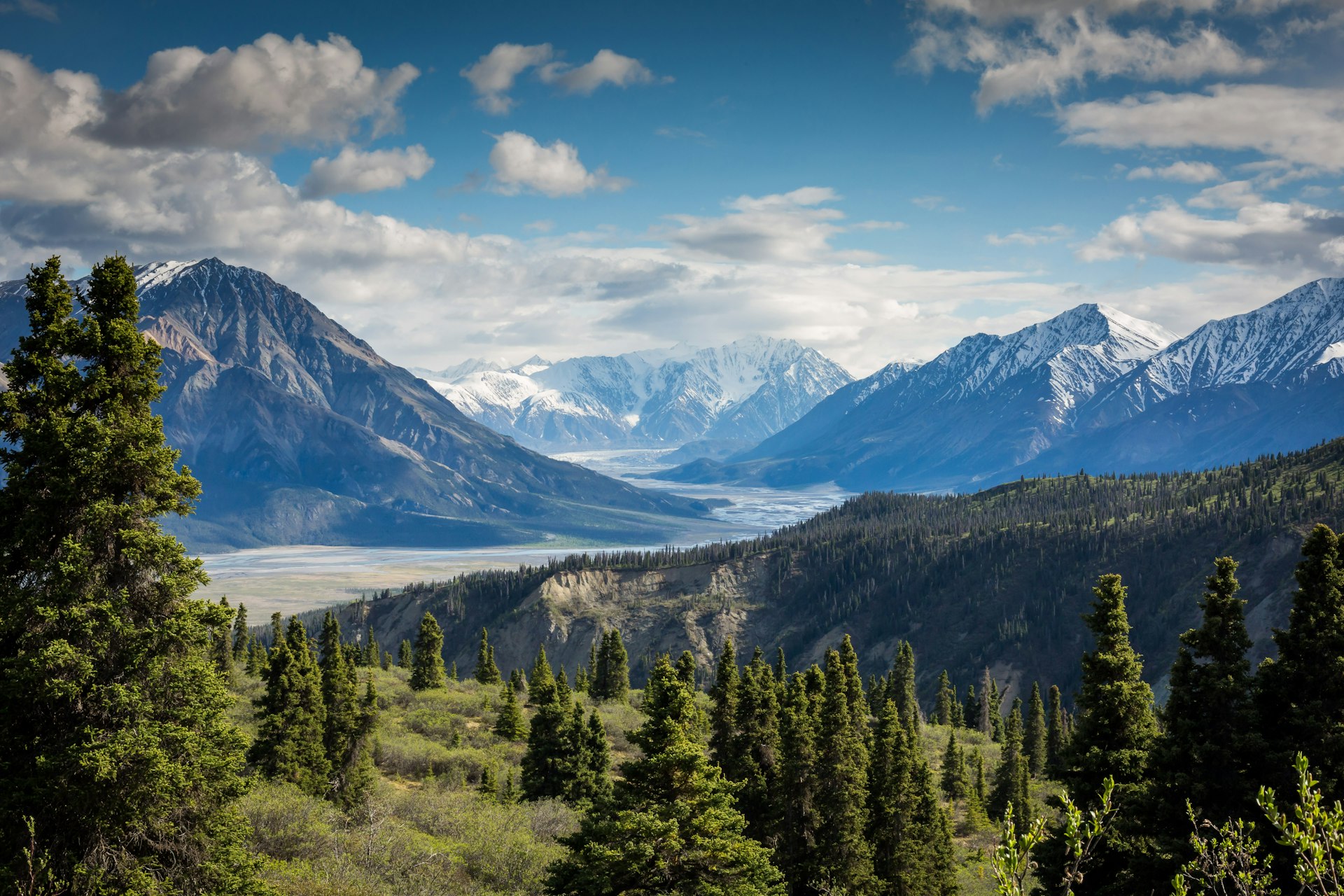
Mountain rivers and alpine scenery for fishing in Kyrgyzstan
Lakes & rivers

Fishing in Kyrgyzstan

From Issyk-Kul marinka off a quiet beach to rainbow trout in glacier-fed streams near Karakol, fishing Kyrgyzstan blends Tien Shan scenery with clear cold water—if you respect permits, seasons, and fragile reserves.

Season

May–October

License needed

Yes, through local authorities

Species

Rainbow trout, Issyk-Kul marinka, osman

Best spots

Issyk-Kul, rivers near Karakol

Trout fishing Kyrgyzstan

Why Anglers Choose Kyrgyzstan

High mountains, snowmelt rivers, and the immense blue bowl of Issyk-Kul create varied fisheries within a single trip—provided you plan permits and conservation rules in advance.

Fishing Kyrgyzstan appeals to travellers who want more than roadside photo stops. The country stitches together endorheic lake flats, jailoo valleys grazed by semi-nomadic herders, and steep river gorges dropping straight from glaciated summits. Trout fishing Kyrgyzstan itineraries often focus on rainbow trout in the Chon-Kemin and Karakol systems, where pocket water and riffles recall Rocky Mountain or Alpine streams—except the backdrop is yurt camps, walnut forests, and occasional eagle flyovers. Meanwhile Issyk-Kul marinka and osman anchor the lake culture: quieter tackle, local techniques, and the rhythm of wind and wave on the second-largest saline lake in the world. Success depends on reading seasonality, not just downloading a waypoint. Snowmelt drives flows from May into July; August and September favour sight fishing in lower, clearer tributaries if rainstorms stay away.

Responsible angling here is inseparable from rural livelihoods. Pasture roads double as river access; livestock share banks with brown trout lies. Close gates, slow down for horses on tracks, and greet herders before walking through corrals. The same courtesy extends to community tourism initiatives that fund trail maintenance and ranger patrols. When you purchase permits and hire guides, you reinforce why catch limits matter: pressure grows each season as word spreads about affordable guided fishing trips and dramatic scenery.

This guide emphasises permits and regulations, seven cornerstone waters, realistic gear to bring versus rent, and the emerging etiquette around catch-and-cook culture versus release. Pair it with our summer timing notes, safety primer for river hazards, and camping guidance if you plan dawn sessions far from towns.

Seven waters

Where to Fish in Kyrgyzstan

From boat days on Issyk-Kul to wading the Chon-Kemin and high jailoo shores of Son-Kul—seven locations that showcase trout, marinka, osman, and large-river angling.

Each fishery below reflects different access, altitude, and rules. Always reconcile this overview with the permit office and rangers on the ground—especially in biosphere reserves where closures can be sudden.

1.Issyk-Kul Lake

Species
Issyk-Kul marinka, osman
Style
Shore and boat fishing

Fishing Kyrgyzstan often starts at Issyk-Kul, the vast endorheic lake that defines the country’s eastern geography. The shoreline stretches for hundreds of kilometres, offering everything from pebble beaches near Cholpon-Ata to quieter coves toward the south shore. Issyk-Kul marinka and osman are the iconic local targets: both are cold-water cyprinids adapted to the lake’s depth and chemistry. Shore anglers wade gravel bars at dawn and dusk when fish move shallow; boat fishing opens deeper structure, drop-offs, and spring-fed inlets where schools concentrate in summer. Wind can build quickly on the open water, so plan launches with local operators who know safe harbours. Combine a fishing day with a stay in a lakeside guesthouse, then explore nearby jailoo or hot springs when the bite slows. For trout fishing Kyrgyzstan visitors sometimes overlook the lake in favour of rivers, but marinka and osman on light tackle deliver a distinctly Central Asian experience.

2.Chon-Kemin River

Species
Rainbow trout
Style
Fly fishing, wading

The Chon-Kemin Valley national park protects a long forested corridor between mountain ranges, and its main river is one of the most rewarding trout streams within a few hours of Bishkek. Rainbow trout here respond to classic dry-fly and nymph presentations in pocket water and riffles, especially from late spring through early autumn when snowmelt stabilises. Access varies from roadside pull-offs to longer walks along the valley floor; respect park entry procedures and any seasonal closures announced at the gate. Water clarity is generally good below the upper forest, but always check flow after heavy rain in the peaks. Pair Chon-Kemin with a night of camping on the jailoo or a homestay in the valley for a full mountain rhythm. This is a prime answer when travellers ask where to try fly fishing Kyrgyzstan without committing to a multi-day expedition.

3.Karakol River tributaries

Species
Rainbow trout
Style
Small-stream and pocket water

East of Issyk-Kul, Karakol sits at the hub of glacier-fed drainage that spills from the Tien Shan toward the lake plain. The Karakol River and its tributaries carry cold, oxygen-rich water ideal for trout, with countless bends, log jams, and boulder gardens that hold fish through the main season. Wading can be technical: rubber-soled boots with studs help on slick cobble, and a wading staff is useful after summer floods rearrange the bed. Local guesthouses and trekking agencies can suggest approachable beats versus steeper upper sections best left to experienced anglers. Rivers near Karakol also anchor the town’s adventure economy—after a morning on the water you can pivot to Altyn-Arashan hot springs or a trek toward Ala-Kul. Fishing Kyrgyzstan in this region blends alpine scenery with reliable trout habitat if you time the melt and respect private pasture fences.

4.Sary-Chelek Lake

Species
Protected as UNESCO Biosphere Reserve
Style
Catch and release only

Sary-Chelek is one of Kyrgyzstan’s most beautiful lakes, ringed by walnut and fruit forest inside a UNESCO Biosphere Reserve. Conservation rules here are strict: fishing is generally limited to catch-and-release practices where explicitly permitted, and in many zones angling may be restricted entirely—always confirm current regulations with reserve staff before casting. The setting alone draws photographers and hikers; anglers who visit should treat the lake as a privilege, not a harvest opportunity. Use barbless hooks, minimise handling time, and avoid fishing during spawning periods if rangers advise closure. The broader lesson for trout fishing Kyrgyzstan adventures is that biosphere status trumps personal preference: when in doubt, do not fish. Instead, enjoy the trails, viewpoints, and community ecotourism initiatives that fund protection. Your licence and permit paperwork matter doubly in reserves—carry copies and follow catch limits if any seasonal pilot programmes exist.

5.Son-Kul Lake

Species
Osman
Style
High-altitude shore fishing

At roughly three thousand metres, Son-Kul is a summer jailoo lake where herders move yurts onto the surrounding grasslands as snow retreats. Osman inhabit these cold, clear waters alongside the iconic nomadic backdrop of horses and felt camps. Seasonal access is the main constraint: ice lingers late, and autumn storms arrive early, so the practical window overlaps with tourist yurt camp operations from June into September. Shore fishing from rocky points and inlets can be productive when wind allows; bring windproof layers and sun protection—the UV is intense at altitude. Night temperatures dip below freezing even in midsummer, so schedule fishing around midday calm periods when possible. Son-Kul rewards patience and respect for grazing corridors: never block livestock movement or camp fires near sensitive shoreline vegetation. Link this stop with our broader guides to high-country travel and camping etiquette.

6.Suusamyr River

Species
Rainbow trout
Style
Valley river, roadside access

The broad Suusamyr jailoo between Bishkek and Osh carries a braided river system across open grassland, making it one of the more accessible trout fisheries for self-drivers on the main highway corridor. Channels shift seasonally, creating fresh seams and pools after spring runoff. Public access points exist along bridges and track junctions, but always verify you are not crossing private camp enclosures. The valley wind is legendary—carry a jacket even when Bishkek feels hot. Suusamyr pairs naturally with a road-trip day: fish the morning calm, then continue toward Toktogul or the southern ranges. For anglers researching fishing Kyrgyzstan routes that do not require multi-day trekking, Suusamyr is a pragmatic addition. Check water levels after storms; glacial tributaries can stain the main stem briefly.

7.Naryn River

Species
Mixed river species (confirm locally)
Style
Large-river fishing

The Naryn is one of Central Asia’s great arteries, eventually feeding reservoirs and hydropower downstream. Above the reservoirs, wide flows and deep pools offer a different challenge from small Tien Shan tributaries: heavier tackle, stronger currents, and more variable visibility after rain. Some beats may be adjacent to towns, bridges, or irrigation infrastructure—observe posted signs and ask residents before wading agricultural reaches. Large river fishing in Kyrgyzstan demands caution: never wade alone in high water, and carry a throw rope if you explore remote gravel bars. The provincial town of Naryn is a logical logistics hub for supplies and local advice. Combine fishing with cultural stops toward Tash-Rabat or onward toward Osh depending on your itinerary. Species mix can include trout in colder upper sections and other river fish lower down; validate targets with the office that issues your permit.

Stay legal

Permits and Regulations

Licences are mandatory—obtain them through local authorities, pay reserve fees where required, and treat every rule as part of protecting Kyrgyzstan’s cold-water fisheries.

Kyrgyzstan does not operate a single centralised online licence portal that travellers can rely on from abroad. Instead, permits are issued regionally—through city or district administrations, fisheries inspectors, or protected-area offices. Start in Bishkek if your route is still flexible, or in Karakol if you are heading straight to Issyk-Kul tributaries. Ask guesthouses to help schedule visits to relevant desks; language barriers are real, and a fixed itinerary accelerates paperwork. Keep receipts and stamped permissions accessible during roadside checks or ranger contacts.

National parks and biosphere reserves add layers: entry tickets, angling stamps, seasonal bans, and sometimes mandatory guides. Sary-Chelek exemplifies the strictest end of the spectrum—plan for catch-and-release expectations and possible prohibition. On large rivers such as the Naryn, irrigation intakes, hydropower infrastructure, and village water rights mean some banks are effectively private or hazardous; local advice prevents accidental trespass.

Ethical angling includes packing out monofilament, avoiding trampling riparian shrubs that stabilise banks, and never transferring fish between drainages—disease and invasive risk are global problems. If you see poaching or net fishing in protected zones, document location and report to rangers rather than confronting individuals yourself. Connecting permits to conservation is how trout fishing Kyrgyzstan stays viable for the next decade of visitors.

Local expertise

Guided Fishing Trips ($40–80/day)

Hiring a guide accelerates access, interprets regulations, and keeps you safe on big water—typical day rates cluster in the forty-to-eighty-dollar range before extras.

What guides usually include

  • Pickup from town or lakeshore lodging within an agreed radius
  • Basic rods, reels, and tackle suited to the target species
  • Interpretation of local permit checks and reserve boundaries
  • Simple meals or snacks on full-day river or lake outings
  • Boat fuel on Issyk-Kul charters when packaged as a fishing day

Clarify before you pay

  • Whether permit fees and park entry are included or itemised separately
  • Refund or reschedule policies when wind cancels boat launches
  • Group size limits and English versus Russian language ability
  • Catch-and-release policy versus harvest where legally allowed
  • Insurance expectations for wading depth and boat operations

Guided fishing trips make sense for first-time visitors combining Issyk-Kul beach holidays with a single serious angling day, or for road-trip crews who do not want to research every tributary mouth alone.

Pack smart

Gear to Bring vs Rent

Bring personal tackle you trust; rent boats and local guides when exploring big water or navigating language-heavy permit offices.

Bring from home

  • Layered clothing and rain shell

    Mountain weather shifts within hours. Pack a breathable rain jacket, fleece or synthetic mid-layer, and quick-dry base layers. Even on trout streams near Karakol, afternoon thunderstorms are common in July and August.

  • Wading boots and polarised sunglasses

    Studded soles reduce slips on algae-covered cobble. Polarised lenses cut glare on Issyk-Kul and help spot fish in clear tributaries.

  • Rods matched to water type

    A five- to six-weight outfit covers most Chon-Kemin and Karakol tributary work; lake anglers chasing marinka may prefer slightly longer rods or light spinning gear where regulations allow.

  • Nets, forceps, and barbless hooks

    Barbless hooks speed release and align with catch-and-release expectations in reserves. A rubberised net limits scale damage for fish you plan to photograph and release.

Rent or book locally

  • Boats and skippers on Issyk-Kul

    Day charters and small motorboats are arranged through lakeside towns and larger guesthouses. Rates vary by season and fuel; book ahead in peak summer.

  • Basic tackle in Bishkek and Karakol

    Sporting goods shops carry spinning and limited fly stock, but specialised flies and premium lines are inconsistent. Bring your favourite patterns from home.

  • Guided packages

    Many outfitters bundle rods, flies, transport, and lunch into guided fishing trips priced roughly $40–80 per day depending on distance, group size, and boat use.

Cross-check rods and hooks against airline baggage rules and double-wrap reels inside your packing list hard case. Domestic flights to Osh or remote airstrips may have stricter weight limits than international legs.

Table and fire

Catch-and-Cook Culture

Sharing a shore-cooked fish with hosts can be memorable—only when regulations, health guidance, and hospitality norms align.

Kyrgyz hospitality often centres on bread, tea, and communal plates. Some lakeside guesthouses welcome anglers who return with legal harvests, preparing fish with onions, herbs, and flatbread over gas or wood stoves. Catch-and-cook culture is never an excuse to ignore slot limits or reserve bans—offer fish only if your permit allows retention and local hosts explicitly want to cook them. In many trout streams, release remains the default expectation among international visitors even where modest harvest is legal.

When preparing your own shore lunch, use existing fire rings where fires are permitted, extinguish embers completely, and avoid stripping riverside brush for kindling—wood is scarce at altitude. For Issyk-Kul marinka or osman meals, follow the same consumption advisories noted in our FAQ: if local health guidance recommends limiting meals per week, comply. Ask hosts whether they prefer to fillet fish themselves—many kitchens have favourite marinades and cast-iron routines that turn a modest catch into a memorable communal meal after a long day on the water.

Stewardship

Conservation Notes

Climate shifts, grazing pressure, and growing tourism all stress mountain watersheds—anglers are frontline stewards.

Prioritise catch-and-release on wild trout

Even where harvest is legal, releasing large breeders sustains genetic diversity. Use barbless hooks, wet hands before touching fish, and keep them submerged for photos.

Avoid spawning redds

In autumn, watch for cleared gravel patches in tributaries. Wading through redds destroys eggs. Walk upstream on banks or skip the beat entirely.

Pack out tippet and packaging

Fluorocarbon and nylon persist in riparian environments. Pocket every scrap of line and lure packaging; micro-trash kills birds and livestock.

Report pollution events

Silt plumes from illegal road building or fuel spills near bridges should be flagged to local authorities and your embassy if severe.

Support community conservancies

Choose lodges and guides who pay fair wages and contribute to trail or ranger programmes—conservation funding is still uneven nationwide.

Educate travel companions

Non-angling friends may not understand why you release a trophy trout. Brief your group so social media moments do not incentivise overharvest.

Fishing FAQ

Common Questions

Licences, seasons, Sary-Chelek rules, guided rates, gear rental, and eating fish from Issyk-Kul.

Do I need a fishing license in Kyrgyzstan?+
Yes. Fishing Kyrgyzstan legally requires permission obtained through local authorities—typically regional or district offices, park administrations, or designated fisheries services depending on the water body. Rules and fees change, so confirm the latest procedure in Bishkek, Karakol, or the province where you plan to fish. Carry paper or digital copies of permits when rangers patrol reservoirs, rivers, or biosphere reserves.
When is the best season for trout fishing in Kyrgyzstan?+
May through October covers most accessible trout water, with June to September offering the most stable flows on mid-elevation rivers. High lakes like Son-Kul fish best during the short summer window when ice is gone and yurt camps operate. Early season means colder water and stronger flows; late season brings lower, clearer water but risk of early storms in the high country.
Can I fish in Sary-Chelek Biosphere Reserve?+
Sary-Chelek is strictly managed. Assume catch-and-release only where fishing is allowed, and expect some zones or seasons to prohibit angling entirely. Always check with reserve rangers on arrival, pay applicable fees, and follow hook and tackle restrictions. If regulations forbid fishing during your visit, enjoy hiking and boating instead—conservation status takes priority.
What fish species can I catch in Kyrgyzstan?+
Rainbow trout inhabit many cold rivers stocked or naturalised over decades. Issyk-Kul marinka and osman are signature lake fish. River systems may hold additional species depending on altitude and basin—verify what your permit allows before targeting any non-trout fish. Do not confuse protected or rare species; when uncertain, release immediately.
How much do guided fishing trips cost?+
Expect guided fishing trips to run about $40–80 per day per person as a typical range, including local transport from nearby towns, basic tackle, and sometimes lunch. Private boat days on Issyk-Kul or remote river shuttles can exceed that band. Always confirm what is included—fuel surcharges, park entry, and permit fees may be extra.
Is catch-and-keep fishing allowed everywhere?+
No. National parks, biosphere reserves, and some community fisheries impose catch-and-release rules, slot limits, or seasonal closures. Even where harvest is legal, take only what you will eat and respect minimum size rules if posted. Kyrgyzstan’s cold-water fisheries are vulnerable to overharvest and habitat change—treat every river as if the next angler depends on your restraint.
Can I rent fishing gear in Kyrgyzstan?+
Major towns offer basic spinning rentals and limited fly gear through guides or guesthouses. Do not count on finding niche tackle on short notice. Serious anglers should bring rods, reels, lines, and a curated fly box. Boats are rented with operators rather than as bare hulls for inexperienced visitors.
Is it safe to eat fish caught in Issyk-Kul?+
Edibility depends on local advisories, which can change with monitoring data. Ask guesthouse hosts, market vendors, and health bulletins for current guidance on consumption frequency and species. When advice recommends limiting intake, follow it. If you practise catch-and-cook, clean fish thoroughly, cook fully, and avoid harvesting during visible algal events or after unusual die-offs reported locally.

Tie Flies, Secure Permits, Go

Fishing in Kyrgyzstan rewards preparation—layers in your pack, licence papers in your dry bag, and respect for jailoo communities whose valleys double as trout highways.