
Talas Valley
Birthplace of Manas — Heart of Kyrgyz Epic Heritage
About Talas Valley
Talas Valley is the spiritual homeland of the Manas epic — the world's longest oral poem and the cornerstone of Kyrgyz national identity. The Manas Ordo complex on the outskirts of Talas city marks the legendary burial site of the hero Manas, with a beautifully restored gumbez (mausoleum), museum, and cultural park that receives both pilgrims and curious travelers.
The Manas Ordo complex deserves more than a quick stop. The gumbez itself is a 14th-century structure (though the epic dates the hero to the 9th century) with exquisite Timurid-era brickwork and a spiritual atmosphere that pilgrims approach with genuine reverence. The adjacent museum houses manuscripts, illustrations, and artifacts related to the epic — including recordings of legendary manaschi (oral reciters) performing multi-hour passages from memory. If you can arrange a live recitation (ask at the museum desk), it's one of the most powerful cultural experiences in Kyrgyzstan.
Beyond Manas, the Talas Valley is one of Kyrgyzstan's least-visited regions, offering rolling green valleys, the snow-capped peaks of the Talas Alatoo range, and a quieter, more traditional way of life that has largely escaped the tourism development of Issyk-Kul or Karakol. The valley was historically part of the Silk Road's northern route, and the Kirov Reservoir and surrounding jailoos (summer pastures) offer gentle trekking and horseback riding with virtually no other tourists.
Tourism pacing: allow at least two full days for Manas Ordo, the Talas bazaar, and optional Besh-Tash—Talas is a heritage destination, not a coach-stop tick box, and Manas-related sites deserve unhurried visits.
The Besh-Tash Valley, accessible by road from Talas city, is the oblast's best day hike — a 15 km trail along a river gorge that opens into alpine meadows below 4,000 m peaks. In June-July, the meadows are carpeted with wildflowers. The Besh-Tash National Park is home to ibex, marmots, golden eagles, and occasional sightings of wolves. It's an easy-to-moderate trail suitable for families and casual hikers.
Talas honey is legendary throughout Kyrgyzstan — the diverse wildflower meadows at altitude produce what many consider the country's finest honey. The Talas bazaar sells it for a fraction of Bishkek prices. Also look for local kurut (dried yogurt balls) and hand-pressed apple juice from valley orchards.
The region also holds historical significance as the site of the 751 AD Battle of Talas — one of the most consequential encounters in world history, where Arab-Abbasid forces defeated Tang China, shifting the cultural trajectory of Central Asia toward Islam and introducing papermaking to the Islamic world. Though there's no formal monument, local guides can take you to the approximate battle site near the modern-day village of Taraz-Bulak.
Highlights
Things to Do
How to Get There
From Bishkek: shared taxi over the Otmok Pass (5-6 hours, ~1,000-1,500 KGS). The pass road is scenic but winding — not for the car-sick prone. No direct flights. In winter, the pass can close during heavy snowfall — check conditions before departing.
Where to Stay
Guesthouses in Talas city ($15-25/night). CBT homestays in surrounding villages. Yurt camps in jailoo areas during summer. No hotels above basic guesthouse level.
Pro Tips
- 1Visit Manas Ordo in the morning — the complex is uncrowded and the light on the gumbez is beautiful
- 2Ask at the museum about manaschi performances — traditional Manas reciters sometimes perform for groups
- 3The drive over Otmok Pass is dramatic — sit on the left side for the best valley views
- 4Bring all cash you'll need — ATMs in Talas city are unreliable and there are none in villages
- 5The Battle of Talas site (751 AD) has no formal monument but local guides can take you to the approximate location
- 6Talas honey is famous across Kyrgyzstan — buy from the bazaar for excellent quality and price
- 7Combine with a northern loop: Bishkek → Talas (2-3 days) → Suusamyr Valley → back to Bishkek
- 8The region is culturally conservative and deeply proud of Manas heritage — showing genuine interest earns warm hospitality
- 9Overnight Talas pacing: pair Manas Ordo with an unhurried bazaar morning—rushing the gumbez and museum in one afternoon sells the valley short; add Besh-Tash or honey shopping on day two
- 10West-bound loops often enter Talas over Otmok—confirm pass weather the same week; snow or ice can push schedules
- 11Link our culture guide for epic context before you visit shrines—questions land better when you have read basic Manas framing
Book Your Trip
Find accommodation, tours, and transport for Talas Valley.
We may earn a commission from bookings made through these links at no extra cost to you. Affiliate disclosure.
Kyrgyzstan Travel Updates
Get seasonal tips, new route alerts, and travel advisories delivered to your inbox.
No spam. Unsubscribe anytime.
Location
42.5231°N, 72.2429°E
Frequently Asked Questions
How do I get to Talas Valley?
From Bishkek: shared taxi over the Otmok Pass (5-6 hours, ~1,000-1,500 KGS). The pass road is scenic but winding — not for the car-sick prone. No direct flights. In winter, the pass can close during heavy snowfall — check conditions before departing.
When is the best time to visit Talas Valley?
May to September; June-August for jailoo visits and trekking; Manas celebrations peak in late August
Where can I stay in Talas Valley?
Guesthouses in Talas city ($15-25/night). CBT homestays in surrounding villages. Yurt camps in jailoo areas during summer. No hotels above basic guesthouse level.
How difficult is Talas Valley?
Talas Valley is rated Easy. Altitude: 1,200 m (city); up to 3,500 m on mountain treks. Recommended duration: 2-3 days recommended.
What activities are available at Talas Valley?
Cultural sightseeing, Manas heritage visits, Hiking, Horseback riding, Photography, Historical sites.
Keep Planning Your Trip
Everything you need to turn Talas Valley into a complete trip.
You Might Also Like
 Challenging
Alay Valley & Pamir Gateway
Osh Oblast
Where the Tian Shan Meets the Pamirs — Gateway to the Roof of the World
 Easy
EasyCholpon-Ata
Issyk-Kul Oblast
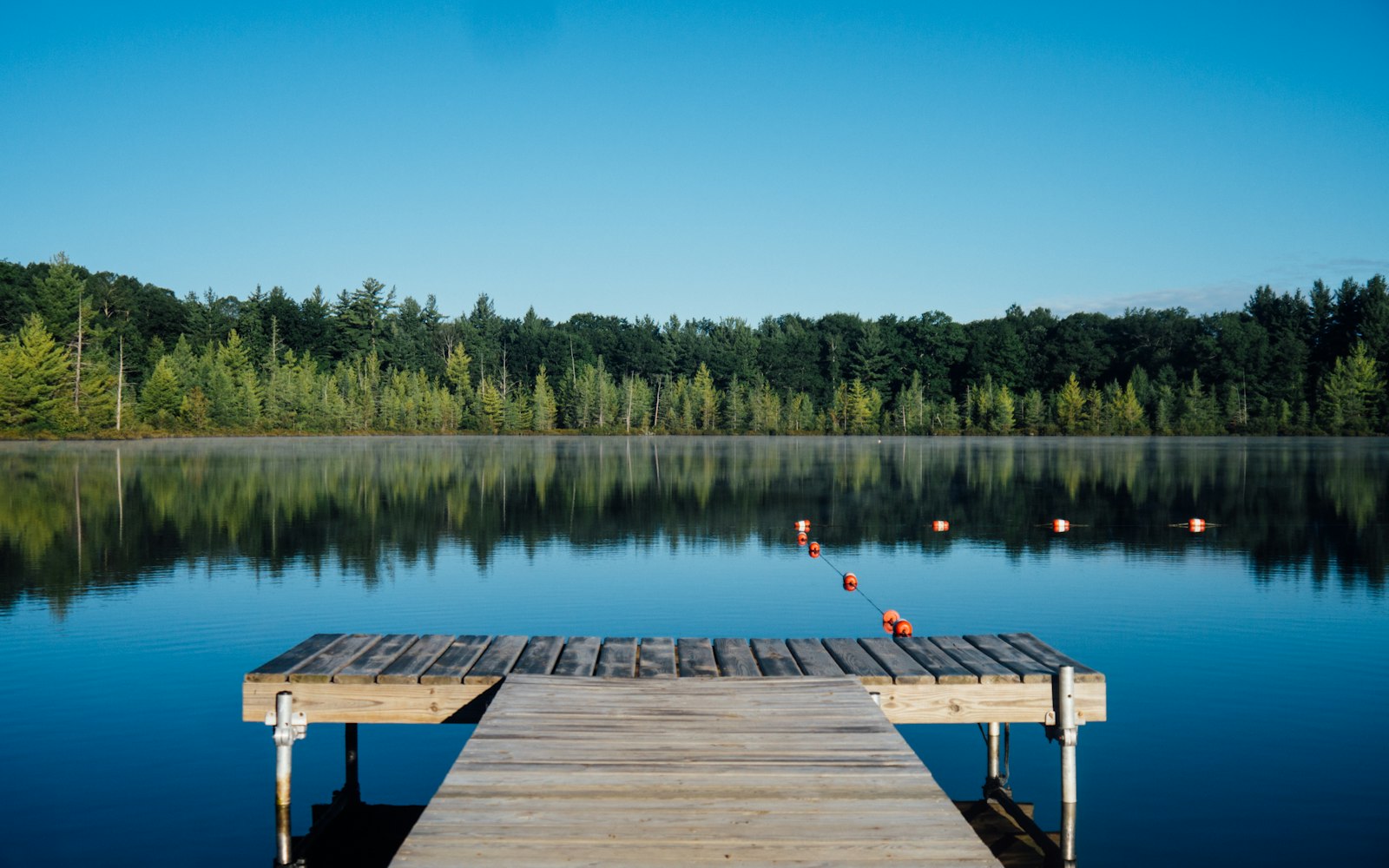
North Shore Beaches, Petroglyphs, and Summer Festival Energy
 Moderate
Sary-Chelek Biosphere Reserve
Jalal-Abad Oblast
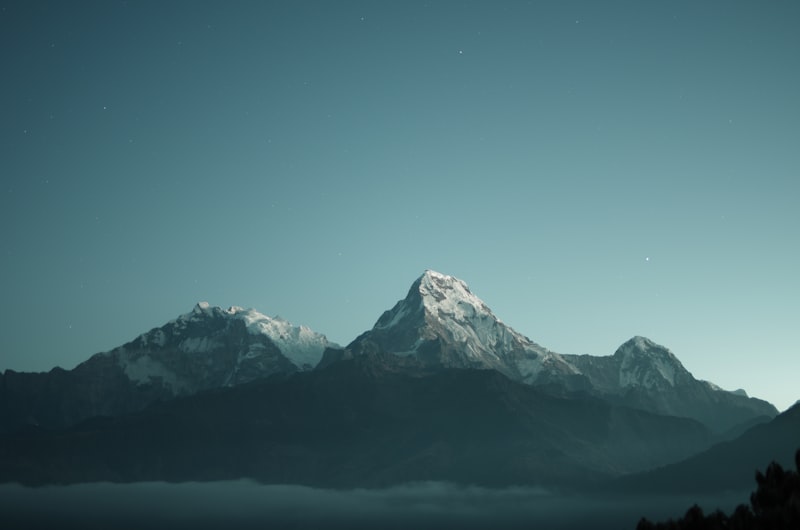
UNESCO Biosphere Reserve — Kyrgyzstan's Hidden Alpine Lake
 Expert
Karavshin Gorge
Batken Oblast (Leylek)
"Asian Patagonia" — Granite Spires and Big-Wall Climbing