
Kazarman
Corridor Hub Between Suusamyr, Naryn & the Southern Road Network
About Kazarman
Kazarman is a small town that many independent travellers first encounter as a name on a map between high passes—not as a bucket-list sight. It sits on the rugged mountain link that connects the Suusamyr side of the country with the Naryn basin and onward routing toward Jalal-Abad Oblast and the south. For overlanders, cyclists, and marshrutka-hoppers, Kazarman is primarily logistics: a place to sleep, refuel, ask about road conditions, and meet drivers who know whether the next leg is dry gravel or axle-deep mud.
Do not expect a polished resort strip. Guesthouses are simple, English is limited outside a few hosts, and schedules follow local demand rather than an online timetable. That is precisely why the town matters: it breaks long mountain days, gives your brakes a rest after cliff-edge sections, and puts you in conversation with people who watch the weather on these roads every week.
Moving numbers change—marshrutka frequencies, taxi prices, and pass openings shift with fuel costs, snow, and maintenance. Treat any duration or price you read online (including here) as a planning hint; confirm the same week with your guesthouse or CBT contacts in Kochkor or Naryn.
Ethical travel: Kazarman is home for residents, not a backdrop for drive-by content. Keep noise down at night, ask before photographing people or yards, and pay local hosts and drivers fairly rather than bargaining like a souvenir stall. If the road is closed or you feel unsafe pushing on, staying an extra night is a better story than a rushed crossing.
Highlights
Things to Do
How to Get There
There is no airport in Kazarman — you arrive by road. From Bishkek, many travellers cross Too-Ashuu toward Suusamyr, then thread the mountain road toward Kazarman (often a full day with breaks; private transfers are commonly quoted in rough bands that move with fuel prices—negotiate and confirm locally). From Naryn, shared taxis and occasional marshrutkas run when roads are open; frequency is not hourly—ask at the bus stand or your guesthouse the day before. From Kochkor, the Kochkor–Kazarman leg is a classic corridor segment for those linking Song-Kul or central Kyrgyzstan with the south; times vary sharply with surface and weather. Self-drivers should carry cash for fuel and snacks, download offline maps, and never assume tunnel or pass status from a week-old forum post.
Where to Stay
Expect simple guesthouses and family stays rather than branded hotels—roughly $15–45/night depending on season, meal inclusions, and whether you book through CBT-style networks or direct with hosts. Hot water and heating vary; confirm winter readiness if you travel shoulder season. Many travellers stage one night then continue toward Naryn, Arslanbob, or Osh—reserve ahead in July–August when cycle tour groups fill beds.
Pro Tips
- 1Confirm pass and tunnel status after storms — landslides and maintenance can close or slow the corridor with little English notice online
- 2Carry enough som for food, fuel splits, and guesthouses; ATMs are not something to rely on in town
- 3Pair with our road-trip and transport guides for realistic driving times — gravel and queues eat spreadsheets
- 4Ask drivers about the Kazarman–Naryn leg the same week you travel — surface and weather beat old blog estimates
- 5If visiting Min Kush as a detour, read that page for ethical photography — Kazarman is a living hub, not a set
- 6Song-Kul, Naryn, and related topic guides help stitch a coherent high-plateau itinerary around this stop
- 7Link to our border-crossings and permits hubs if your route continues toward restricted or border-adjacent treks
- 8This leg is not a race: if you are yawning through cliff sections after Bishkek or Osh, stop—fatigue and mountain roads are a bad mix; an extra Kazarman night beats scraping a guardrail at dusk
- 9Jalal-Abad–Naryn drivers often break here when linking Osh-side walnut forests with central jailoo—sync your itinerary so you are not forcing night arrivals into Naryn on the same day
- 10Share taxi comfort beats marathon marshrutka stacks for this corridor when budget allows—negotiate seat and luggage up front
- 11Southern spine honesty: Kazarman → Min-Kush detour → Arslanbob is a multi-day story—do not force walnut forests the same evening you clear the corridor
- 12Cycle groups fill July beds—WhatsApp hosts a day ahead; if full, sleep earlier on the Suusamyr side rather than night-driving cliff sections
Book via Community Based Tourism
Homestays, yurt camps, and village tours are best arranged through official CBT regional desks or local DMOs — income stays with host families. Email or WhatsApp ahead in July–August; confirm meals and bathroom type in writing.
- CBT Kyrgyzstan (Bishkek HQ) →
National homestay, yurt, and tour coordination — redirects to regional desks.
+996 312 443331
Not a booking engine — outbound links to vetted coordinators. Homestays guide
Book your trip
Find accommodation and tours for this region
We may earn a commission from qualifying bookings at no extra cost to you. Affiliate disclosure.
Stay current
See what changed recently on the site, then verify schedules and pass status locally the week you travel.
Site travel notes →Weather now
Live conditions near Kazarman
Location
Frequently Asked Questions
How do I get to Kazarman?
There is no airport in Kazarman — you arrive by road. From Bishkek, many travellers cross Too-Ashuu toward Suusamyr, then thread the mountain road toward Kazarman (often a full day with breaks; private transfers are commonly quoted in rough bands that move with fuel prices—negotiate and confirm locally). From Naryn, shared taxis and occasional marshrutkas run when roads are open; frequency is not hourly—ask at the bus stand or your guesthouse the day before. From Kochkor, the Kochkor–Kazarman leg is a classic corridor segment for those linking Song-Kul or central Kyrgyzstan with the south; times vary sharply with surface and weather. Self-drivers should carry cash for fuel and snacks, download offline maps, and never assume tunnel or pass status from a week-old forum post.
When is the best time to visit Kazarman?
June–September for the most reliable pass and road access; May and October for quieter travel if you confirm conditions daily. Winter crossings are for experienced travellers with local advice and appropriate vehicles—not a default tourist season.
Where can I stay in Kazarman?
Expect simple guesthouses and family stays rather than branded hotels—roughly $15–45/night depending on season, meal inclusions, and whether you book through CBT-style networks or direct with hosts. Hot water and heating vary; confirm winter readiness if you travel shoulder season. Many travellers stage one night then continue toward Naryn, Arslanbob, or Osh—reserve ahead in July–August when cycle tour groups fill beds.
How difficult is Kazarman?
Kazarman is rated Moderate. Altitude: ~1,350 m (approximate town elevation — confirm on the ground). Recommended duration: 1–2 nights typical for corridor trips; day-through possible when roads and energy levels align.
What activities are available at Kazarman?
Road-trip staging, Photography, Village walks, Community homestays, Mountain biking, Logistics planning, Stargazing.
Keep Planning Your Trip
Everything you need to turn Kazarman into a complete trip.
You Might Also Like
 Expert
Karavshin Gorge
Batken Oblast (Leylek)
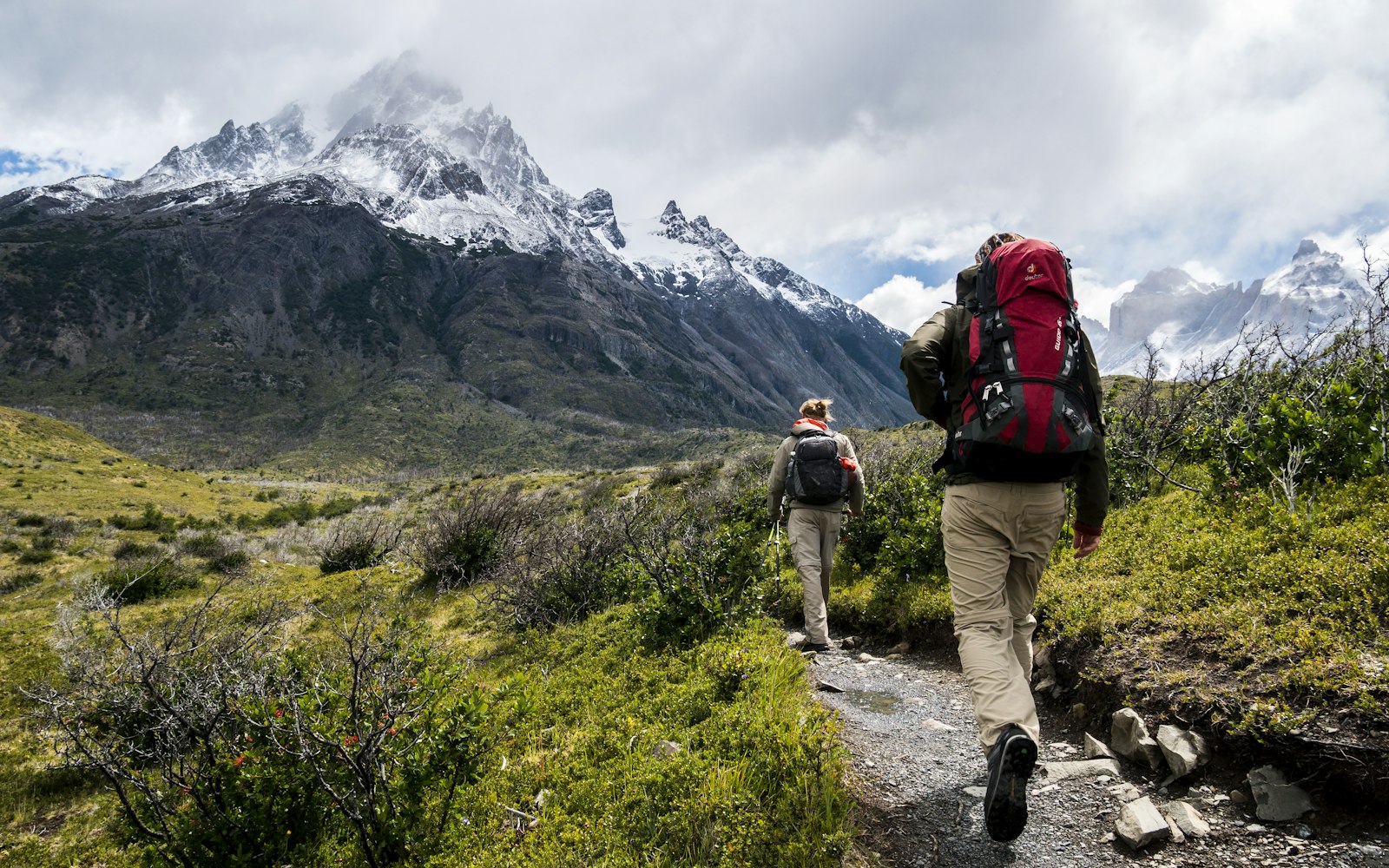
"Asian Patagonia" — Granite Spires and Big-Wall Climbing
 Easy
EasyToktogul
Jalal-Abad Oblast
Reservoir Town on the Bishkek–Osh Highway
EasyJalal-Abad
Jalal-Abad Oblast
Sacred Springs, Silk Road History & Gateway to the Walnut Forests
 Challenging
Alay Valley & Pamir Gateway
Osh Oblast
Where the Tian Shan Meets the Pamirs — Gateway to the Roof of the World