Cycling Kyrgyzstan
Plan bike touring and bikepacking in Kyrgyzstan with honest notes on passes, driver awareness, city workshops in Bishkek and Osh, and how cycling fits next to marshrutkas, trekking, and self-drive road trips.
Core season
June–September
Key hubs
Bishkek & Osh
Passes
Often 2,500–3,500 m
Spare parts
Best in cities — confirm locally
Why cycle Kyrgyzstan
Long valleys, high passes, and yurt hospitality reward pedal-powered travel — if you respect traffic, weather, and mechanical limits.
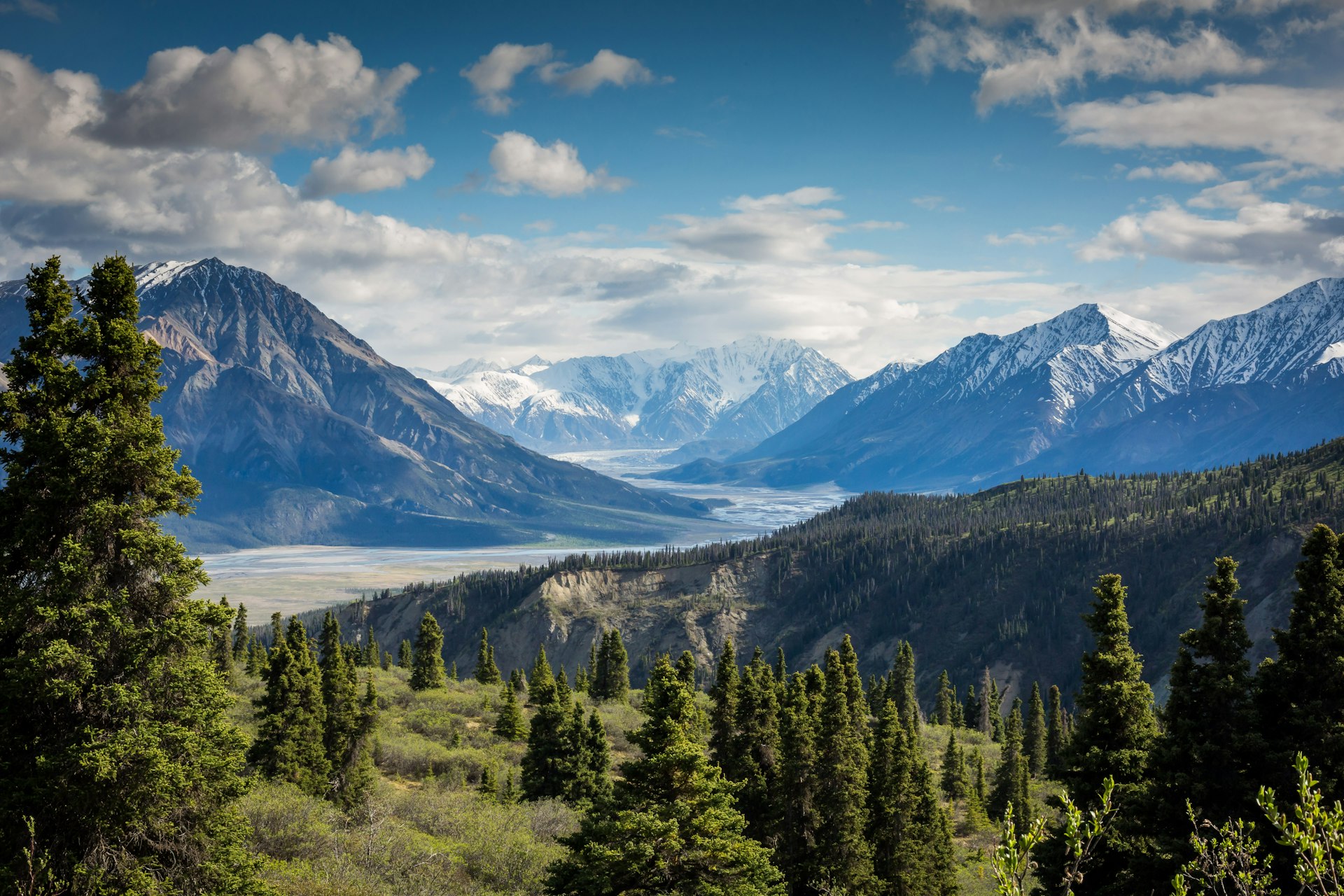
Cycling Kyrgyzstan can mean a loaded touring bike on the Bishkek–Osh highway, a bikepacking loop toward Song-Kul, or link stages along Issyk-Kul before you peel onto quieter side valleys. The country is not a flat rail-trail network: you will climb, share space with trucks, and sometimes push through short rough sections after storms. The payoff is jailoo horizons, cold river crossings, and tea breaks in villages where horses still outnumber rental cars. Pair ambition with trip pacing so your first week is not only red mist and headwinds.
This page complements our mountain biking hub (trail-heavy) and road trip guide (motorised). If you need a break from the saddle, public transport and domestic flights are part of the same toolkit — there is no prize for hero kilometres on ice or in whiteout.
Passes, weather & realistic days
Elevation and surface change quickly — confirm snow lines and roadworks locally each season.
Many iconic corridors cross passes roughly between two thousand five hundred and three thousand five hundred metres. Snow can linger into early summer; afternoon thunderstorms in July and August turn gravel slick and cold descents dangerous without layers. Shoulder seasons shrink daylight and close informal homestay networks faster than English-language blogs update. For health angles on altitude — headaches, hydration, and when to rest — read our health guide; trekking-focused acclimatisation on trekking applies to bike gain too: spin easy gears the first days after arrival.
Off-pavement tracks vary from hardpacked jailoo roads to rock and washboard that favour wider tyres and confident bike handling. After heavy rain, detours appear without much signage — offline maps and asking shepherds beat guessing at forks. If you are plotting multi-day foot stages as well, keep permits in mind for restricted border-adjacent zones; bikes do not exempt you from route rules.
Driver awareness & visibility
Kyrgyz highways are not built around a European cycling culture — be bright, predictable, and rested.
Expect overtakes on blind curves, occasional oncoming traffic in your lane, and livestock on the road margin — do not assume drivers see you. A steady line, rear flasher, and mirror reduce surprises; waving thanks when trucks give space keeps goodwill. Night riding on busy highways is high risk: poor lighting, unmarked obstacles, and fatigue. Align with safety advice on seat belts when you hitch a ride in a support vehicle and on dogs near villages — slow down, do not sprint away from chasing dogs if you can avoid it.
Police checkpoints appear on major exits; carry ID and calm patience. If you combine bike days with a rental car for family or gear, your paperwork story matches self-drive expectations — IDP, rental agreement, and no automatic right to cross borders in a hired vehicle.
Spare parts — Bishkek, Osh & the gaps
Cities are your service centres; the mountains are your scenery — plan consumables before you leave asphalt.
Bishkek is the most reliable place for tyres in common widths, brake pads, chains, cassettes, and professional wheel truing. Walk-ins vary — message shops or guesthouse networks in peak summer. Osh supports many southbound and Pamir-bound cyclists with basics and honest mechanics, but exotic sizes and electronic shifting parts can mean waiting for a courier from the capital. Between hubs, carry tubes, sealant if you run tubeless, spare spokes that match your wheel, lube, and a chain tool.
For pre-trip builds, budget a shakedown day in Bishkek before you point toward the Boom gorge or the southern highway — the same urban pause helps with SIM cards and cash: see money and SIM card & internet. In the south, Osh is the natural place to re-stock before Alay-side climbs.
Camping, resupply & culture
Yurt stays and wild camps shape many bikepacking itineraries — match etiquette to local expectations.
Paid yurt camps and homestays lighten pack weight and add warmth on cold nights; wild camping is common in remote pasture but should stay respectful — camp away from water sources herders rely on, pack out rubbish, and ask before crossing fenced areas. Our camping guide covers norms in more detail. Food resupply happens in towns and larger villages; carry extra calories and water for empty stretches on local food days when shops are closed.
FAQ: cycling Kyrgyzstan
Touring basics, parts, drivers, and how this page fits our wider guides.
Is Kyrgyzstan good for bike touring?+
Where can I buy bike parts in Kyrgyzstan?+
Do drivers respect cyclists in Kyrgyzstan?+
Can I put my bike on a marshrutka or bus to skip a highway leg?+
Can I load a touring bike on the Bishkek–Balykchy train?+
More resources for cyclists
Roads, health, trekking context, borders, and city hubs — build a trip that survives the mountains.
Road trip & self-drive
Passes, rental paperwork, fuel, and how drivers experience the same corridors as bike tourists.
Transport guide
Marshrutkas, shared taxis, and stations — useful when you need a rest day off the saddle.
Travel safety
Road risk, valuables on buses, and habits that keep independent travellers confident.
Health
Altitude, hydration, sun, and when to descend — relevant when you gain elevation by bike.
Trekking
Foot-powered passes and acclimatisation ideas that pair with staged cycling itineraries.
Mountain biking
Trail-focused riding and Karakol-area context alongside highway touring.
Camping
Wild camping norms, sleep systems, and respectful nights near jailoo pastures.
Getting there
Flights with a bike box, arrivals in Bishkek or Osh, and first-night pacing.
Plan your trip
Seasons, visas, and pacing multi-day legs without burning out before the mountains.
Border crossings
If your loop includes neighbours — paperwork and vehicle rules are not always bike-specific.
Things to do in Bishkek
City days while you wrench, rest, or wait for parts.
Things to do in Osh
Southern staging, bazaar errands, and links toward the Alay Valley.