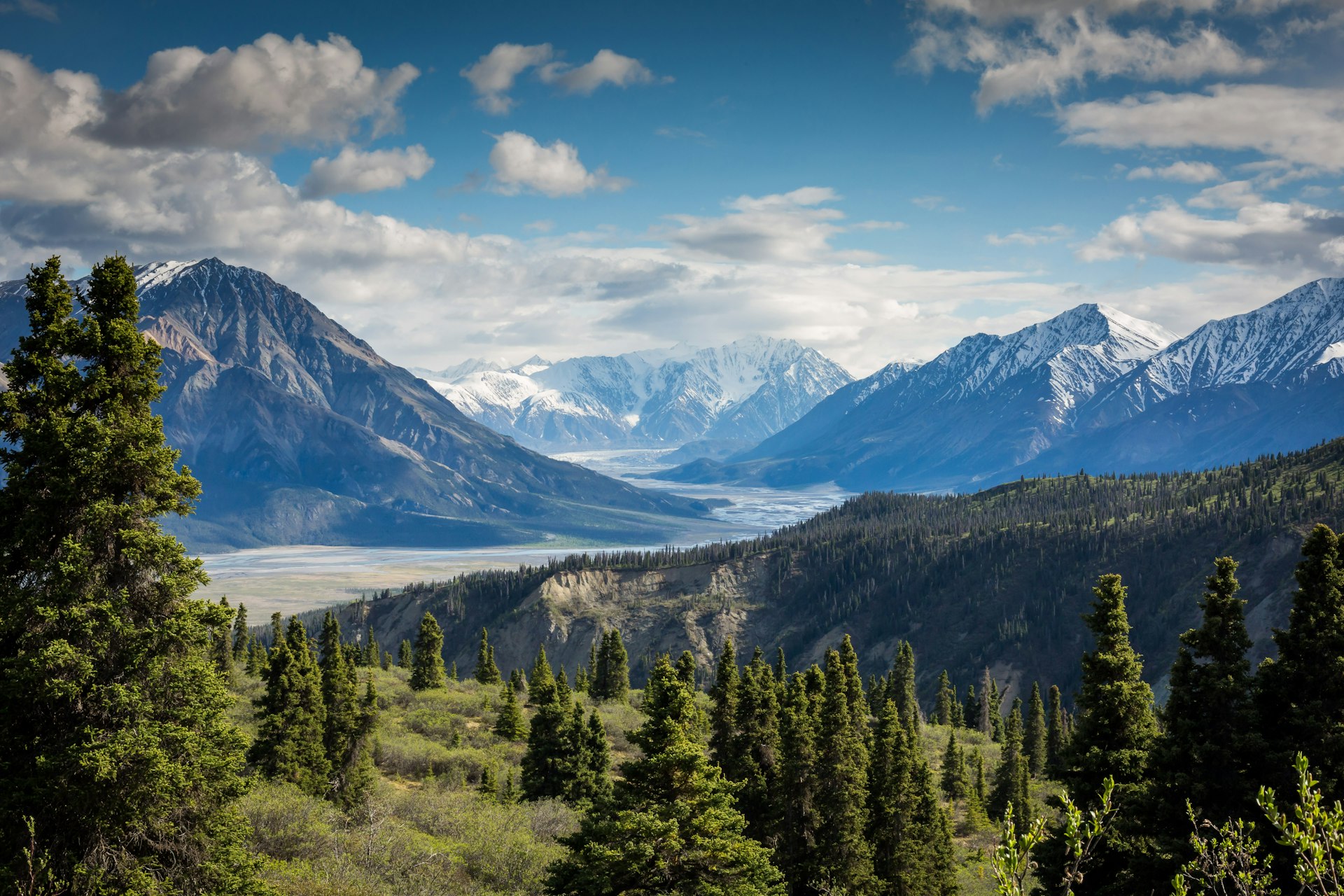
Wild camping beside an alpine lake with mountain backdrop in Kyrgyzstan
Wild camping & backcountry

Camping & Wild Camping in Kyrgyzstan

One of the last countries where you can pitch a tent almost anywhere for free. From lakeshores at 3,000 metres to walnut forests and dark-sky valleys, Kyrgyzstan is a camper's paradise with no permits, no fees, and no crowds.

Wild camping

Legal almost everywhere

Season

June–September (high altitude)

Cost

$0 wild / $5–15 camps

Altitude range

1,500–4,000 m

Open-access camping

Kyrgyzstan's Wild Camping Laws

Kyrgyzstan is one of the most camping-friendly countries on earth — here is exactly what you need to know about where you can and cannot pitch a tent.

Kyrgyzstan has no general law prohibiting wild camping on public or state land. In practice, this means you can pitch a tent on any unclaimed, unfenced ground across the country — mountain passes, river valleys, high meadows, roadside steppe — without asking permission or paying a fee. This open-access tradition is rooted in Kyrgyz nomadic culture, where the landscape has always been shared and seasonal movement across pastures is a way of life, not a legal loophole.

National parks are the main exception. In Ala-Archa, Sary-Chelek, Chon-Kemin, Besh-Tash, and Kara-Shoro, camping should be at designated areas or with ranger approval. Rangers are typically accommodating — a small fee of two to five dollars secures a spot, and they can advise on water sources and weather. Outside these parks, the backcountry is yours.

Jailoo summer pasturesare communal grazing lands used by semi-nomadic herders from June through September. You are welcome to camp on jailoo, but courtesy matters. Pitch at least two hundred metres from active yurt camps, and if a shepherd approaches, offering chai or bread is the traditional greeting. Most herders are curious and friendly — some will invite you for kumys (fermented mare's milk) and conversation.

Restrictions to know:avoid camping near military installations or within five kilometres of the Chinese and Tajik borders, where border zones require special permits. Private fenced property — rare outside villages — is off-limits without the owner's permission. In towns and cities, camp at designated sites or guesthouses rather than pitching on public land.

Where to pitch

10 Best Camping Spots in Kyrgyzstan

From glacial moraine at 3,500 metres to walnut forest floors — ten tested sites with altitudes, costs, and honest conditions.

Kyrgyzstan camping sites range from established national park campgrounds with basic facilities to completely wild locations where you will not see another tent for days. The sites below are listed roughly by altitude and remoteness. All coordinates are approximate — in most cases you are choosing from a wide area of suitable ground rather than a single pitch. Arrive before mid-afternoon to scout flat ground, check wind exposure, and locate water before dark.

Altitude
3,016 m
Season
June–mid September
Cost
Free
Terrain
Flat grassy shores

Sunrise over a high-altitude lake ringed by yurts and free-roaming horses is the defining image of Kyrgyz camping. The lakeshore is completely treeless and wind-exposed, so bring storm-rated stakes and guy-lines. Water from the lake needs filtering and boiling. Nights drop to near freezing even in July—layer your sleep system generously. The drive up from Kochkor takes three to four hours on a rough track, but the reward is one of Central Asia's most photogenic wild camps.

2.Ala-Kul Lake Basin

Altitude
3,532 m
Season
July–September
Cost
Free
Terrain
Alpine moraine

Part of the classic Karakol to Altyn-Arashan trek, Ala-Kul sits in a moraine bowl surrounded by glaciers. The turquoise water is achingly cold and stunning at dawn. Temperatures drop to 0 °C even in July—carry a sleeping bag rated to minus ten and a four-season tent or strong three-season shelter. Wind funnels through the pass above, so site selection matters: tuck behind boulders where you can. No wood for fires; cook on a stove and melt snow or filter lake water.

3.Jyrgalan Valley

Altitude
2,200–2,800 m
Season
June–September
Cost
Free (wild) / $10 (base camp with meals)
Terrain
Wide valley, wildflower meadows

An emerging trekking destination east of Karakol, Jyrgalan offers gentle terrain carpeted with wildflowers from late June through August. The established base camp charges around ten dollars a night including meals—good value for a first night before heading into upper valleys where wild camping is free and unrestricted. Stream water above the village is reliable. The valley connects to several multi-day ridge routes, making it a natural staging ground for longer expeditions into the eastern Issyk-Kul ranges.

Altitude
1,873 m
Season
May–October
Cost
$3–5 (designated areas)
Terrain
Forested lakeshore

A UNESCO Biosphere Reserve with dense walnut and juniper forest ringing a deep blue lake. Camping is restricted to designated areas near the ranger station—pay a small fee and pitch in the clearings. Bear-aware food storage is necessary here: hang your food bag or use a hard-sided container. The lower altitude and tree cover make nights warmer than high-altitude camps, and the birdsong at dawn through old-growth canopy is worth the early alarm.

Altitude
1,600–2,000 m
Season
May–October
Cost
Free (wild) / $5 (homestay camp spots)
Terrain
Walnut forest above village

The world's largest natural walnut forest climbs above Arslanbob village toward two waterfalls. Wild camp in clearings above the upper waterfall for free, or use village camp spots for five dollars with access to water and basic facilities. In September and October, ripe walnuts carpet the ground underfoot. The forest floor is soft and forgiving for tent pegs. Evenings bring cooler air rolling down the valley—a light fleece and warm drink make for perfect camp hours under the canopy.

Altitude
3,500 m
Season
June–September
Cost
Free
Terrain
High valley beside caravanserai

Camp beside a tenth-century stone caravanserai under some of the darkest skies in Central Asia. The Bortle 1–2 rating makes Tash-Rabat a paradise for astrophotography—Milky Way core detail is visible to the naked eye. Nights plunge to minus five even in August, so a serious sleeping bag is non-negotiable. The valley is remote and exposed with no services; bring all your own water treatment, fuel, and food. The silence at three thousand five hundred metres, broken only by wind and distant marmot whistles, is profound.

7.Suusamyr Valley

Altitude
2,000–2,200 m
Season
June–September
Cost
Free
Terrain
Vast flat jailoo

The broadest and most accessible jailoo in northern Kyrgyzstan, Suusamyr is perfect for car camping. Drive five hundred metres off the main Bishkek–Osh highway onto the steppe grass, park, and pitch. Horse herders graze nearby and are generally friendly—offering tea or bread is customary. The terrain is flat and well-drained, making tent setup effortless. Suusamyr connects to several side valleys for day hikes if you want to combine driving ease with on-foot exploration.

Altitude
3,000 m
Season
July–September
Cost
Free
Terrain
River valley with Peak Lenin views

The Alay Valley floor stretches beneath the north face of Peak Lenin at 7,134 metres—one of the most dramatic camping backdrops on earth. Wild camp along the river for free, or use the base camp area where some facilities exist during climbing season. The valley is wide and wind-channeled; stake your tent thoroughly and orient the door away from the prevailing westerly. Water from glacial streams needs settling and filtering due to silt load. Dawn light on the Trans-Alay range is worth every cold minute outside the sleeping bag.

Altitude
2,200–3,400 m
Season
May–October
Cost
$3 (designated) / Free (higher up)
Terrain
Mountain gorge, glacier trail

Just forty minutes from downtown Bishkek, Ala-Archa is the most accessible mountain camping in Kyrgyzstan and an ideal introduction to altitude. Designated spots near the trailhead cost three dollars; higher along the Ak-Sai glacier trail you can wild camp for free among boulders and moraines. The gorge offers a gradient of difficulty—families can camp low while experienced trekkers push toward the glacier. Weekend crowds thin dramatically once you pass the first waterfall viewpoint.

10.Chon-Kemin Valley

Altitude
1,800–2,500 m
Season
June–September
Cost
$3 entry / Free wild camping deeper in
Terrain
Forested river valley

A national park straddling a long river valley between the Kungey and Ile Alatoo ranges. Pay three dollars entry at the gate, then camp at established guesthouse sites or push deeper into the valley for undisturbed wild camping among spruce forest and alpine meadows. The river provides reliable water year-round—filter below any grazing areas. Chon-Kemin sees fewer visitors than Ala-Archa despite comparable scenery, making it a strong choice for solitude-seekers within a few hours of Bishkek.

Altitude-tested kit

Essential Camping Gear

Pack for freezing nights, fierce wind, and no resupply — here is what experienced Kyrgyzstan campers carry.

Gear choices for Kyrgyzstan camping depend on your maximum altitude and remoteness. Valley camps below 2,500 metres are forgiving; anything above 3,000 metres demands equipment that handles sub-zero nights and sustained wind. Start with this list, then check our full packing list for clothing layers, electronics, and toiletries.

  • 4-season tent

    A four-season tent handles the wind and cold at high camps like Ala-Kul and Song-Kul. A strong three-season tent works for valley camps from June through August, but anything above 3,000 metres demands a shelter rated for alpine conditions. Freestanding designs pitch faster on rocky moraine where stakes are useless.

  • Sleeping bag (–10 °C rating)

    High-altitude nights in Kyrgyzstan regularly drop below freezing even in summer. A comfort-rated minus ten bag covers Song-Kul, Tash-Rabat, and Ala-Kul with margin. Down saves weight; synthetic handles condensation better in a bivvy. Add a silk liner for five extra degrees on the coldest nights.

  • Sleeping pad (R-value 4+)

    Ground insulation matters more than bag warmth when the soil beneath you is frozen or waterlogged. An R-value of four or higher keeps you warm on permafrost and wet meadow alike. Inflatable pads are lighter; closed-cell foam is puncture-proof and doubles as a sit pad during breaks.

  • Water filter

    A Sawyer Squeeze or LifeStraw gravity filter handles livestock-contaminated streams below treeline. Above 3,000 metres, glacial streams are generally cleaner but still worth filtering. Carry purification tablets as a backup—filters can freeze and crack at altitude overnight.

  • Stove & fuel canisters

    A JetBoil or MSR PocketRocket with screw-on isobutane canisters is the standard setup. Buy canisters in Bishkek at Globus or Sportmaster for around three dollars each—they are unavailable outside cities. Bring one canister per three to four days of cooking. Shield the stove from wind to halve your fuel use.

  • Headlamp & trekking poles

    Nights are dark above treeline and camp tasks need hands-free light. A 200-lumen headlamp with red mode preserves night vision for stargazing. Trekking poles reduce knee strain on steep moraine descents and double as emergency tent-pole splints.

  • Dry bag & backpack

    A twenty-litre dry bag protects your sleeping bag and electronics from rain and river crossings. Pack everything into a fifty to sixty-five litre backpack—larger invites over-packing. A rain cover on the pack and critical items in the dry bag is belt-and-suspenders insurance against Kyrgyz afternoon storms.

Food & hydration

Water Safety & Trail Food

No resupply in the backcountry — plan your water treatment and stock food before leaving town.

Water Sources

Mountain streams above 3,000 metres and above treeline are generally clean but should always be filtered as a precaution. Below treeline, livestock contamination is common — always filter or chemically treat water from streams, rivers, and lakes below grazing areas.

Carry purification tablets (Aquamira or Micropur) as backup. Filters can freeze overnight at altitude and crack internally without visible damage, rendering them useless. If your filter froze, switch to chemical treatment or boiling.

On dry ridges and moraine camps, carry capacity for at least two litres per person. Some high camps like Ala-Kul have lake water nearby; others like exposed passes may require melting snow — budget extra stove fuel.

Trail Food Strategy

Stock up in Bishkek (Frunze Supermarket near Osh Bazaar) or Karakol (Aist supermarket). Once you leave these cities, resupply options shrink to small village shops with limited stock. There is no backcountry resupply.

The staple trekking diet in Kyrgyzstan is bread, sausage, nuts, dried fruit, instant noodles, and tea — cheap, calorie-dense, and available everywhere in cities. Osh Bazaar sells dried apricots, walnuts, and raisins by the kilo at a fraction of Western prices.

Honey from Issyk-Kul bazaars is exceptional trail fuel — high calories, natural sugars, and it keeps indefinitely. Carry it in a leak-proof container and add it to tea, porridge, or eat it straight from a spoon on cold mornings.

Respect the land

Leave No Trace in Kyrgyzstan

Kyrgyzstan's backcountry is pristine because few people visit — keep it that way.

Pack out all waste

Carry every wrapper, can, and scrap out with you. There are no bins in the backcountry. A dedicated trash bag weighs nothing and keeps your pack organised.

Burn or pack out toilet paper

Toilet paper does not decompose at altitude. Burn it completely in a small fire pit, or seal it in a zip-lock bag and pack it out. Never bury it — animals dig it up.

Dig cat holes 200 m from water

Human waste must be buried in a hole fifteen to twenty centimetres deep, at least two hundred metres from any stream, lake, or spring. Use a trowel or tent stake.

Respect shepherd camps

Do not camp within two hundred metres of active yurt camps. Avoid blocking livestock paths. If herders wave you closer, accept the invitation — but let them set the distance.

No trace fires

Where fires are appropriate (below treeline, no fire bans), use existing fire rings. Burn wood completely to ash, scatter cold ashes, and restore the ground. Above treeline, cook on stoves only.

Do not disturb wildlife or livestock

Keep distance from grazing horses, yaks, and sheep. Store food away from your tent to avoid attracting marmots, foxes, or bears. Never feed wild animals.

Camping FAQ

Common Questions

Laws, gear, weather, wildlife, and water — straight answers for camping in Kyrgyzstan.

Is wild camping legal in Kyrgyzstan?+
Yes. Kyrgyzstan has no general law against wild camping on public or state land. You can pitch a tent virtually anywhere outside national park boundaries and private fenced property. In national parks such as Ala-Archa, Sary-Chelek, Chon-Kemin, Besh-Tash, and Kara-Shoro, camp at designated areas or ask rangers—usually permitted with a small fee of two to five dollars.
What is the best month for camping in Kyrgyzstan?+
July and August offer the warmest nights, driest weather, and fullest access to high-altitude sites like Song-Kul and Ala-Kul. June is excellent for lower valleys with wildflowers. September brings cooler nights and golden light but some high camps start closing. May and October are only suitable for valley and forest camping below 2,500 metres.
How cold does it get at night when camping?+
At 3,000 metres and above, nighttime temperatures drop to 0 °C to minus 5 °C even in July and August. Valley camps at 1,500 to 2,200 metres are milder, typically 8 to 15 °C in summer. Always carry a sleeping bag rated well below your expected low—mountain weather shifts fast.
Can I camp near yurt camps and shepherds?+
Jailoo summer pastures are communal and shepherds are generally welcoming. Camp at least 200 metres from active yurt camps to respect their space. Offering tea, bread, or a small gift is customary and appreciated. Do not disturb livestock or block grazing paths.
Where can I buy camping gas canisters in Kyrgyzstan?+
Screw-on isobutane canisters are available in Bishkek at Globus and Sportmaster stores for around three dollars each. They are essentially unavailable outside Bishkek and Karakol, so buy all you need before heading into the backcountry. Bring one canister per three to four days of cooking.
Is the water safe to drink from mountain streams?+
Streams above 3,000 metres and above treeline are generally clean but should still be filtered as a precaution. Below treeline, always filter or treat water due to livestock contamination. Carry purification tablets as a backup since filters can freeze and crack at altitude overnight.
Do I need a permit to camp in national parks?+
National parks charge a small entry fee, typically two to five dollars. Camping within park boundaries should be in designated areas or with ranger permission. Parks include Ala-Archa, Sary-Chelek, Chon-Kemin, Besh-Tash, and Kara-Shoro. Outside national parks, no permit or fee is required for wild camping.
Are there bears or dangerous animals at campsites?+
Brown bears inhabit forested areas like Sary-Chelek and Arslanbob. Practice bear-aware food storage: hang food bags from trees or use hard-sided containers, and never keep food in your tent. Wolves are present but extremely shy. Stray dogs near villages can be territorial—carry a walking stick and avoid direct eye contact.

Ready to Camp Under Kyrgyz Skies?

No permits, no crowds, no fences — just mountains, lakes, and the kind of silence that only exists above 3,000 metres. Plan your route and go.