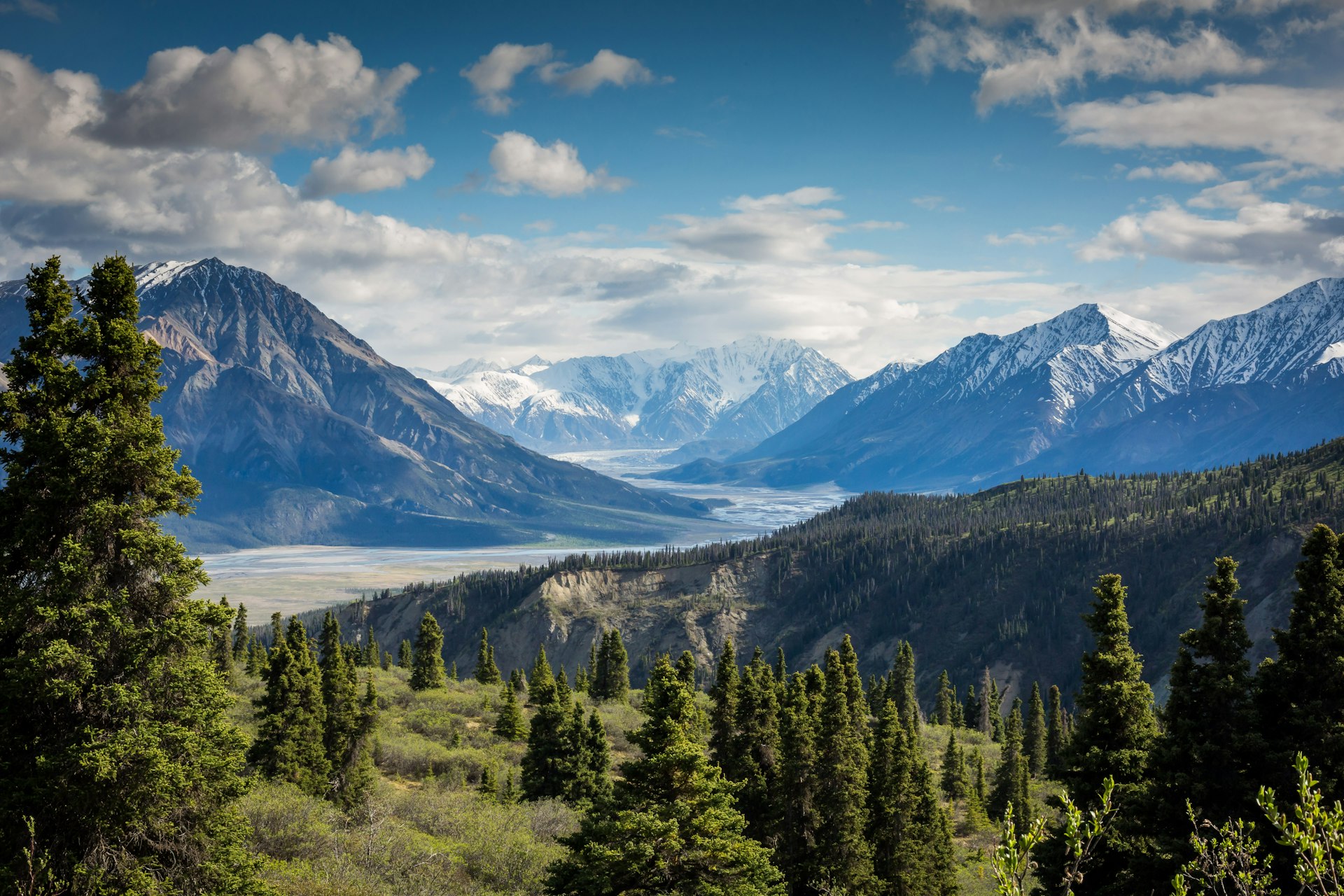
Mountain scenery and boutique travel context in Kyrgyzstan
Design-led stays

Boutique Hotels in Kyrgyzstan

From Bishkek’s small design hotels to Karakol’s upgraded guesthouses and Issyk-Kul lakeside lodges—boutique hotels Kyrgyzstan style means character, host care, and realistic USD pricing—not a global chain checklist.

Price

$40–150 / night

Peak season

Book ahead Jul–Aug

English

Common Bishkek & Karakol

Pair with

Planning boutique stays

Boutique Hotels Kyrgyzstan: What to Expect

Travellers searching boutique hotels Kyrgyzstan usually want something between a bare guesthouse and full luxury travel—private bathrooms, thoughtful interiors, and English-friendly hosts in Bishkek, Karakol, and key lakeside towns.

Kyrgyzstan’s accommodation story is still dominated by family pensions, CBT homestays, and yurt camps. The boutique layer is real but thin: a handful of capital properties with design credentials, Karakol guesthouses that reinvest in mattresses and plumbing, north-shore Issyk-Kul lodges that shrink the resort template, and south-shore community lodges that feel curated even when the road out front is unpaved. Nightly rates in US dollars typically land between forty and one hundred fifty dollars for this middle band—below international five-star pricing but well above dorm beds and basic village homestays.

If you are comparing options, start with our where to stay overview for the full spectrum of hotels, hostels, yurts, and homestays, then narrow to boutique-style listings where reviews mention recent renovations, reliable hot water, and hosts who coordinate drivers. When you want private guides, exclusive camps, and helicopter transfers, step up to luxury travel; when the mountains call for felt walls and jailoo silence, read luxury yurt camps for upgraded camp nights that replace a hotel entirely.

Peak demand hits July and August along Issyk-Kul and in Karakol, when international trekkers, regional beach visitors, and domestic holiday traffic overlap. Boutique-scale properties have few rooms, so a single fully booked week can erase availability faster than at a two-hundred-key business hotel. Booking four to eight weeks ahead in USD-priced channels—or holding written WhatsApp confirmation with a som deposit—is standard for summer lake weeks. Shoulder season in June or September trades slightly cooler swimming for easier upgrades and quieter common areas.

English is most reliable in Bishkek and at Karakol guesthouses that serve trekking clients; elsewhere, boutique-style lodges may still rely on translation apps for dietary requests or late arrival times. Always confirm whether breakfast is included, whether quoted rates are per room or per person, and whether airport or bus-station pickup carries a separate fee in som. Pairing two or three boutique nights with homestay or yurt segments keeps per-night averages reasonable while still delivering design and comfort where long drives and jet lag matter most.

In Bishkek, boutique-minded travellers gravitate to smaller hotels in central districts—walkable to Ala-Too Square, Oak Park, and evening dining—rather than remote towers with long taxi rides. In Karakol, proximity to Toktogul Street and the bazaar matters because marshrutkas, CBT offices, and trekking supply shops sit on short walks. On the lake, decide whether you want north-shore resort energy and pools or south-shore calm near villages like Bokonbaevo; the boutique label applies to both, but the nightly rhythm is completely different. For city activities once you have a base, our Bishkek and Karakol guides map day-time options that suit slower boutique pacing.
Typical offerings by region

Boutique-Style Stays: Examples by Type

These are representative categories and USD price bands—not endorsements of single brands. Use them to calibrate expectations when you read listings and reviews.

Bishkek design hotel

$70–130 / night

Typical offerings in the capital include compact independent hotels and renovated Soviet-era buildings with curated interiors, quality linens, and breakfast rooms that feel closer to a European city break than a business tower. You usually get reliable Wi-Fi, air conditioning in summer, and staff accustomed to international guests—useful for your first or last nights when you want predictable showers and airport transfers. These properties rarely advertise as “boutique” in the global sense, but the segment sits above standard three-star business hotels in fit-out and attention to detail.

Karakol’s strongest “boutique” layer is family-run guesthouses that invest in interior design, English-speaking hosts, and trekking logistics—think private bathrooms where older stock had shared facilities, heated floors in winter, and help booking drivers to Jeti-Ögüz or Ala-Köl trailheads. Nightly rates reflect demand from international hikers and skiers rather than marble lobbies. This is the practical boutique base for east Issyk-Kul: you trade resort scale for walkable access to the bazaar, CBT offices, and marshrutkas.

On the north shore, “boutique” often means smaller properties or upgraded wings within the resort belt—fewer rooms than a full sanatorium, sometimes a private beach strip or restored wooden detail, and pricing that spikes in July and August when domestic holidaymakers fill the lake. Typical offerings include lake-view balconies, modest spa or sauna access, and half-board options. Book early for festival weeks; flexibility on exact dates saves meaningful dollars in USD terms.

South-shore villages increasingly host CBT-affiliated or family-operated lodges with upgraded rooms, local art, and eagle-hunting or felt workshops on the doorstep. These read as boutique in atmosphere—meals featuring village produce, hosts who explain jailoo culture—while infrastructure may still be simpler than a city hotel. Price bands reflect limited inventory and growing international interest; expect cash or bank transfer for some bookings.

Kochkor homestay-plus

$35–70 / night

Between Bishkek and Song-Kul, Kochkor is a staging town where “homestay-plus” means private guest wings, en-suite bathrooms in newer builds, and dinner tables set for two to six guests rather than a single large tour group. It is not a hotel category, but it fills the same niche as boutique travel: personality, home cooking, and drivers who know the road to jailoo camps. Nightly rates often include generous breakfasts; confirm dinner and horse-trek add-ons in som or USD before arrival.

Osh heritage-style stay

$45–85 / night

Near Sulaiman-Too and the old bazaar, typical offerings include restored courtyard houses and small hotels with traditional woodwork, tiled courtyards, and rooftop tea corners. English is less universal than in Bishkek but improving at properties that cater to Silk Road overlanders. This segment suits travellers who want urban heritage texture before the Alay Valley—pricing stays below true luxury while beating bare-bones dorm comfort.

Choose the right fit

Boutique vs Standard Hotel vs Homestay

Use this comparison to decide where boutique nights earn their cost—and where a simple hotel or CBT homestay is the smarter dollar decision.

AspectBoutique-styleStandard hotelHomestay
Room & designCurated interiors, often smaller room counts, design or heritage focusFunctional business or resort rooms, less personalityFamily home rooms; charm from hosts, not interior design budgets
Service & languageHosts or managers often speak English in Bishkek/Karakol; personalised tipsFront desk routine; English varies outside capitalsGestures and apps common; CBT helps bridge language
MealsBreakfast usually included; some offer set dinners or partner restaurantsBuffet or à la carte in larger hotelsHome cooking; often two meals included at low nightly cost
Typical USD band$40–150 / night depending on lake season and room type$30–120 / night for mid-range hotels; resorts higher in peak$10–25 / night with meals commonly bundled
Best forCouples, design-minded travellers, soft adventure with comfortPredictable check-in, pools, business travel, family resort daysCulture depth, lowest cost, village immersion

Homestays remain the value champion for culture and meals; boutique-style stays justify spend when you need recovery, design, or English-speaking coordination between harder mountain legs. For full CBT context see homestays.

Save money and stress

Practical Tips for Boutique Bookings

Six habits that keep USD budgets predictable and summer availability under control.

  • Reserve July and August lakeside and Karakol boutique-style rooms at least four to eight weeks ahead; popular guesthouses sell out before large hotels.
  • Read reviews for hot water, heating, and Wi-Fi—not for star ratings Kyrgyzstan rarely enforces uniformly.
  • Confirm whether breakfast, taxes, and resort fees are included; quote prices in USD or som in writing before you transfer deposits.
  • Pair one or two boutique or upgraded nights with homestay or yurt segments to balance budget and experience; high-altitude nights are usually yurt camps rather than hotels.
  • Ask hosts to book trusted drivers for mountain legs; boutique properties often maintain a shortlist that beats random taxi negotiation.
  • Carry cash som for south-shore villages and Kochkor-area stays; card terminals exist in Bishkek and larger resorts but not everywhere.
Quick answers

Boutique Hotels Kyrgyzstan FAQ

Costs, English, booking channels, and how boutique stays relate to luxury and family trips.

What counts as a boutique hotel in Kyrgyzstan?+
There is no official “boutique” label. Travellers use the term for smaller independent hotels, upgraded guesthouses, lakeside lodges with design focus, and heritage courtyard stays in Osh—typically forty to one hundred fifty US dollars per night with more personality and host attention than a standard business hotel, but without international five-star infrastructure.
How much do boutique-style stays cost in USD?+
Expect roughly forty to ninety dollars in cities and trekking hubs for quality guesthouse or small hotel nights, and sixty to one hundred fifty dollars on the north Issyk-Kul resort strip or for the most polished Bishkek design properties in high season. Shoulder months often drop ten to twenty percent off peak quotes.
Are boutique hotels available outside Bishkek and Karakol?+
Yes, but inventory thins quickly. Cholpon-Ata, Bokonbaevo, Kochkor “homestay-plus” properties, and heritage-style lodgings in Osh represent typical regional offerings. Remote jailoo areas rely on yurt camps and homestays rather than boutique hotels.
Should I book boutique stays or standard hotels for my first trip?+
Many first-timers mix one design-forward Bishkek stay, Karakol boutique guesthouse nights for trekking logistics, and standard hotels or homestays elsewhere. That combination keeps comfort where logistics matter and saves budget for experiences.
Is English spoken at boutique properties?+
In Bishkek and Karakol, English is common at properties that market to international guests. On the south shore and in smaller towns, expect varying levels; messaging the property ahead in English usually clarifies whether staff can handle special requests.
How do boutique stays compare to luxury travel in Kyrgyzstan?+
Boutique hotels and guesthouses deliver upgraded rooms and local character at mid-tier prices. Luxury travel adds private guides, helicopter access, exclusive camps, and bespoke routing—often one hundred fifty to four hundred dollars per day per person when fully serviced. See our luxury travel guide for that tier.
Can I book boutique hotels on Booking.com?+
Many independent and small-chain properties list on Booking.com and similar sites; some Karakol guesthouses and south-shore lodges prefer WhatsApp, email, or CBT coordination. Always confirm cancellation terms during peak lake season.
Are boutique properties suitable for families?+
Family rooms exist in some Bishkek and Issyk-Kul properties but are not universal. Boutique guesthouses may have limited triple or connecting options; standard resorts sometimes offer more predictable family infrastructure. Our family travel guide compares trade-offs.