Tian Shan peaks and alpine terrain for a Kyrgyzstan adventure itinerary
Multi-sport route

Kyrgyzstan Adventure Itinerary

A Kyrgyzstan adventure trip and multi-sport itinerary in one loop — trekking, riding, rolling valleys, optional flight days, and Silk Road culture from the capital to Osh.

Duration

10–14 days

Fitness level

Moderate–high

Budget

$40–80/day

Activities

6+ sports

Kyrgyzstan adventure trip

Why this multi-sport itinerary works

Built for travelers Googling a Kyrgyzstan adventure trip or Kyrgyzstan multi-sport itinerary — one coherent spine of activity, recovery, and culture without redundant transport.

Kyrgyzstan rewards travelers who move through it athletically. A single-country loop can stitch together six or more sports — trekking, mountain biking or ski touring, horseback riding, paragliding, scrambling, and long-distance hiking in walnut forest — without feeling like a gimmick. The geography does the heavy lifting: the Tien Shan throws sharp vertical relief at you, jailoo plateaus invite horses, and river valleys generate reliable flying weather. This page is a twelve-day baseline you can stretch to fourteen if you want buffer after the Ala-Kul trek or an extra night in Bishkek at the start.

The keyword intent behind Kyrgyzstan adventure trip is usually “hard nature, soft logistics.” You want challenge on the trail, but clear town days to wash clothes and download offline maps. The keyword cluster around Kyrgyzstan multi-sport itinerary asks which activities stack safely in one vacation. Answer: alternate impact — after a three-day trek with a heavy pack, switch to horses (different posture) and then to a bike day (different cadence) before you add flying sports. Your connective tissue is sleep, calories, and hydration, not adrenaline every sunrise.

Use plan your trip for shared taxis and domestic flights, and browse destinations when you want deeper regional essays. If you are comparing routes, our trekking hub explains how Ala-Kul fits into the wider Karakol trail network.

Road transfers between Karakol, Kochkor, Suusamyr, Arslanbob, and Osh are long but standard for Kyrgyzstan adventure travel — most legs pair a private driver or shared taxi with scenery breaks. Budget time, not just som: a rushed driver on mountain gravel helps nobody. Food along the route skews toward shorpo, manty, fresh bread, and seasonal fruit; carry snacks for trek days when calories equal warmth and decision-making. If you are vegetarian or gluten-free, flag it when booking homestays so hosts can plan around dairy-heavy jailoo kitchens.

This Kyrgyzstan multi-sport itinerary assumes you enjoy problem-solving in the field — rerouting around snow on the pass, swapping paragliding for a ridge walk, or taking an extra soak in Altyn-Arashan if your legs mutiny. Flexibility is not a consolation prize; it is how mountain travel stays fun when the forecast disagrees with your spreadsheet.
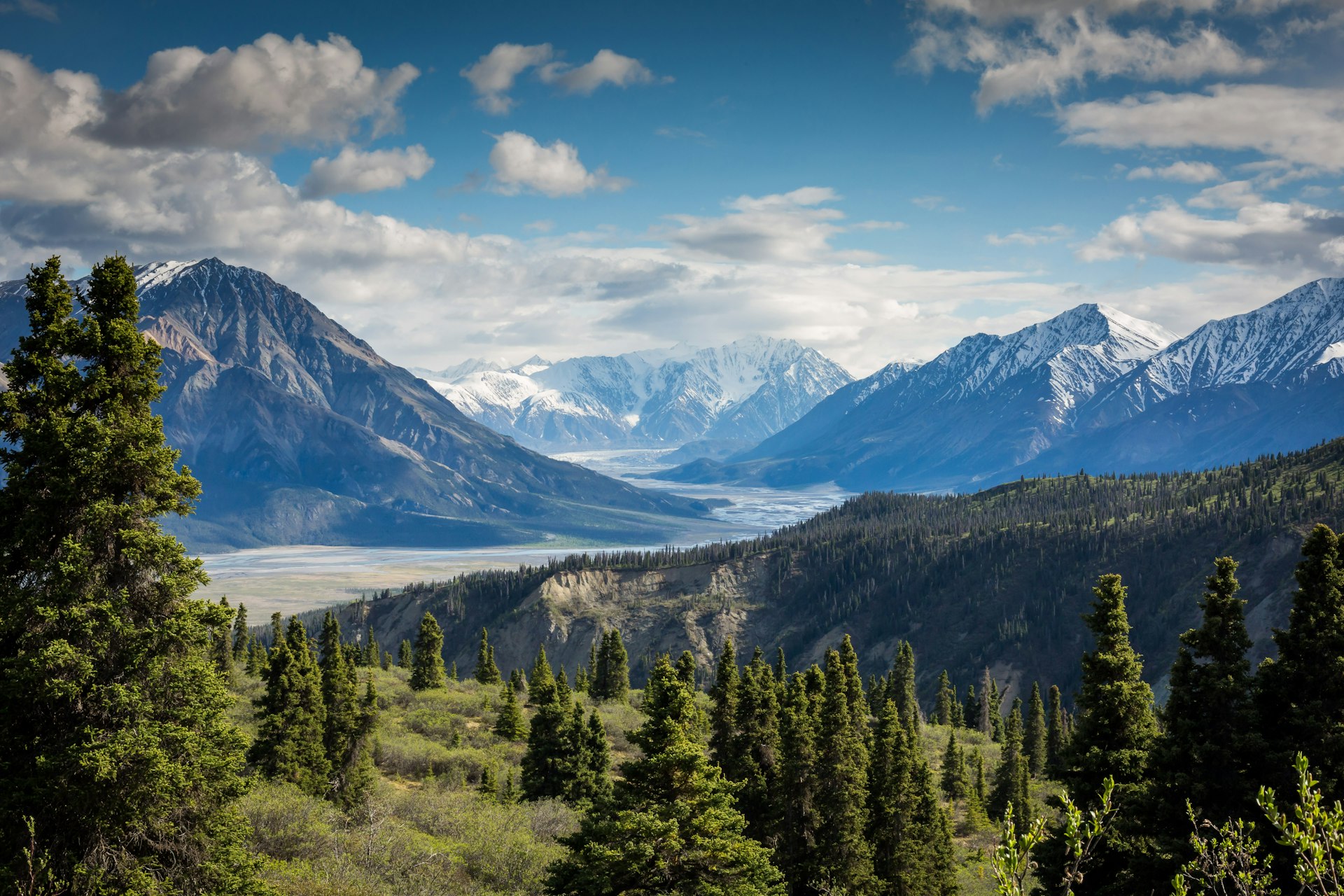
12-day loop

Day-by-day: difficulty & logistics

Each block lists a difficulty rating so you can judge whether to hire guides, add rest, or swap an optional activity.

Days 1–2: Bishkek — acclimatization & Ala-Archa

Easy to moderate

Arrive at Manas, settle into a guesthouse, and spend your first full day in Ala-Archa National Park. The Ak-Sai waterfall trail or a walk toward Ratsek Hut introduces altitude and rough trail surfaces without committing to a multi-day load. Keep the pace conversational: you are training your legs and lungs for Karakol, not chasing Strava segments. Drink more water than you think you need; the city sits around 800 metres but flights and jet lag dehydrate you before you ever see a pass. Evenings are for Osh Bazaar calories, SIM cards, and a last gear check before the eastbound drive.

Days 3–5: Karakol — Ala-Kul three-day trek

Hard (sustained ascent, 3,532 m pass)

This is the physical core of the trip. The classic loop starts from Altyn-Arashan or the Karakol Valley trailhead (routing varies with season and snow). You climb through larch and scree to Ala-Kul itself — an electric-blue tarn ringed by peaks — then cross the pass at roughly 3,532 metres before descending toward Altyn-Arashan’s hot springs or finishing via Karakol Valley. Expect long days, cold wind at the col, and basic yurt or tent camps. Microspikes or light crampons sometimes help on hard morning snow early in the season; ask locally before you pack extra kilos. Weather changes fast; a guided group or experienced self-navigators with offline maps are both valid, but do not underestimate exposure above treeline.

Day 6: Jyrgalan — mountain biking or ski touring

Moderate to hard (season-dependent)

Transfer to Jyrgalan, a former mining village turned outdoor hub on Issyk-Kul’s eastern flank. In summer, flowy valley rides and climb-to-viewpoint routes reward riders with moderate fitness; in winter, ski touring and splitboarding replace pedals when snow base is reliable. Hire local bikes or join a guided ride so you are on maintained routes with mechanical backup. This day balances the trek with different muscle groups and keeps the “multi-sport” promise literal.

Days 7–8: Song-Kul — horse trek from Kochkor, wild camping

Moderate (long hours in the saddle, exposure)

From Kochkor, arrange a horse trek with CBT or established camp operators toward Song-Kul. You cross jailoo pastures where herders summer their flocks, often camping in tents between yurt settlements for a wilder rhythm than full-service yurt resorts. Nights are cold even in July; expect simple food, stars without light pollution, and horses that know the route better than you do. If you prefer less riding, split one day with a vehicle support leg — but the full horse approach is the iconic Kyrgyz experience.

Tie in our guides on horse riding and camping for packing and etiquette.

Day 9: Suusamyr Valley — paragliding (when available)

Moderate (tandem) / low exertion, high exposure

Drop into the wide Suusamyr grassland — a famed corridor for wind and thermals. Tandem paragliding runs on weather, pilot availability, and season; build a flexible afternoon so you can hike ridgelines or photograph jailoo life if flying is grounded. Operators should hold valid certifications and brief you clearly on take-off and landing protocols. This is optional adrenaline rather than mandatory; skipping it does not break the itinerary.

Days 10–11: Arslanbob — waterfalls & walnut forest

Moderate (hilly trails, humidity)

Southwestern Kyrgyzstan’s largest natural walnut-fruit forest frames multi-hour hikes to Big and Small Arslanbob waterfalls. Trails can be slick after rain; poles help. The cultural layer matters as much as the terrain — homestays, seasonal drying of nuts, and shared meals slow you down in the best way. Allow two nights so you are not rushing the forest cathedral after consecutive mountain blocks.

Day 12: Osh — Sulaiman-Too & departure

Easy to moderate (scramble optional)

Finish at Sulaiman-Too, the UNESCO-listed limestone massif rising from Osh’s urban core. Stone staircases and viewpoint paths are short but can feel steep in midday heat. Visit the museum caves if you want context without extra vert. Then connect to Osh airport for a domestic hop to Bishkek or an international departure, depending on your ticket structure.

Before you fly

Fitness preparation

Moderate–high fitness here means you can handle six-to-eight-hour mountain days with elevation gain, not that you compete in races.

Begin training at least two months out with weighted hikes, leg strength, and core work for pack stability. If you live somewhere flat, treadmill inclines and stair sessions substitute surprisingly well. On the Ala-Kul trek, cardiovascular capacity matters, but eccentric strength for descents prevents knee blowouts on scree. Schedule at least one rest or travel day after the three-day trek before hard biking; muscle glycogen does not care about your spreadsheet.

Altitude acclimatization is behavioral: ascend slowly, eat enough salt and carbohydrates, avoid alcohol the night before the pass, and communicate headaches or nausea early. Fitness does not grant immunity to AMS. If symptoms worsen at rest, descend — the itinerary has enough road access that a prudent bailout rarely ruins the whole Kyrgyzstan adventure trip.

Kit list

Gear requirements

Pack for mountain weather, not city forecasts — the same July week can feel tropical in Osh and wintery at Ala-Kul.

Footwear: Stiff-soled trekking boots for the pass, plus camp shoes. Layers: merino base, fleece, down or synthetic puffy, and a storm shell. Camp: three-season tent or bivvy for wild nights, minus-rated sleeping bag, inflatable pad with decent R-value. Electronics: power bank, offline maps, and a compact camera you can operate with gloves.

For horse treks, softshell pants beat shorts; helmet availability varies, so ask when booking. For biking, bring your own pedals and gloves if renting locally. For paragliding, secure sunglasses and sturdy lace-up shoes pilots approve. Cross-check everything against the packing list so you are not duplicating weight or missing a water filter.

Who to book

Guide & operator recommendations

Quality varies; prioritize transparent pricing, local employment, and clear safety briefings.

CBT Kyrgyzstan network: Excellent first stop for Song-Kul horse treks, homestays, and drivers who already know jailoo tracks. Offices in Bishkek, Kochkor, and regional towns coordinate horsemen fairly when you book multi-day rides.

Karakol agencies & mountain guides: For Ala-Kul, choose operators who quote group size, included meals, tent or yurt nights, and emergency plans. Ask whether horses can evacuate an injured trekker — the honest answer matters more than a glossy brochure. Union-affiliated guides and long-running family outfits often have the deepest relationships with pasture permits.

Jyrgalan guesthouses: Bike and ski rentals typically run through village accommodations; book nights and activities together so mechanical issues are solved on-site. Suusamyr tandem pilots: Verify tandem rating, equipment inspection, and cancellation weather policy before you pay deposits. Arslanbob community tourism: Forest hikes and homestays are best arranged locally so fees reach walnut-harvesting families directly.

Across every booking, favor operators who quote in writing, explain environmental rules, and pay horsemen and cooks visibly fair wages. That ethic aligns with the long-term health of Kyrgyzstan’s outdoor economy — and it usually correlates with better safety culture too.

Quick answers

Kyrgyzstan adventure itinerary FAQ

Eight questions travelers ask when stacking trekking, riding, flying, and road days in one Kyrgyzstan multi-sport itinerary.

Is this Kyrgyzstan adventure trip suitable for first-time trekkers?+

Days 1–2 in Bishkek and Ala-Archa are designed as a ramp. The Ala-Kul segment is still demanding — long hours, uneven footing, and pass altitude near 3,532 metres. First-timers succeed with a guide, realistic pacing, and prior hill walking. If you have never carried a pack above 3,000 metres, add an extra acclimatization day in Karakol before starting the trek.

How do I train for a Kyrgyzstan multi-sport itinerary?+

Eight to ten weeks before travel, mix stair climbing or hill repeats with one longer hike weekly wearing the pack you will use. Add cycling or rowing for Jyrgalan biking readiness. Sleep matters: altitude responds better to athletes who are not overtrained. Two weeks pre-flight, taper intensity but keep moving so you arrive supple, not sore.

What does $40–80 per day cover on this route?+

At the lower end, expect guesthouses, shared transport, mostly local meals, and some self-guided days. Toward $80, you add private transfers, certified mountain guides for Ala-Kul, better gear rental, and occasional en-suite rooms. Multi-day treks and horse treks concentrate cost — pay fairly for animals, horsemen, and cooks. Carry US dollars in clean bills for exchange outside major cities.

Do I need a guide for Ala-Kul and Song-Kul?+

Ala-Kul is frequently guided for navigation, weather judgment, and emergency support; confident trekkers with GPS tracks and shelter skills sometimes go independent. Song-Kul horse treks are almost always arranged with local horsemen who know livestock behavior and pasture boundaries — that is both a safety and a cultural norm. Booking through CBT offices or reputable Karakol agencies keeps revenue in village economies.

What gear is non-negotiable for this itinerary?+

Waterproof shell and insulated layer for the pass, broken-in boots with ankle support, headlamp, blister kit, water purification, and sun protection at altitude. For wild camping near Song-Kul, a warm sleeping bag rated for sub-zero nights and a reliable tent or bivvy plan are essential. See our packing list for a full checklist.

When is the best season for this multi-sport route?+

Late June through early September offers the most reliable passes, open jailoo roads, and tandem flying windows. Shoulder months can work with flexible routing but may close high cols or turn Suusamyr flying sporadic. Winter visitors swap Jyrgalan biking for ski touring only if they carry avalanche education and appropriate equipment.

How safe is combining trekking, riding, and paragliding in one trip?+

Each activity carries distinct risks — altitude illness, falls, animal behavior, and aviation weather. Mitigate with certified operators, honest self-assessment, and rest days. Read travel safety for road and health context, and purchase insurance that explicitly covers trekking altitude and adventure sports.

Can I shorten this to seven days instead of twelve?+

You can sample the same themes on a tighter loop — Bishkek, Karakol or Jyrgalan, and one alpine highlight — but you will drop either Song-Kul or the south. Our 7-day itinerary compares pacing trade-offs so you do not accidentally stack two hard blocks without recovery.